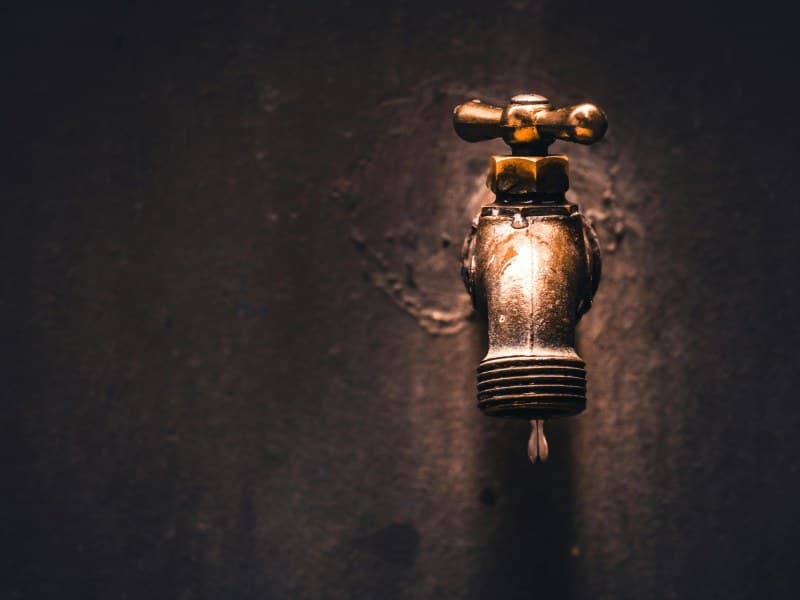
Last month, I lay awake at 2 a.m. listening to the rhythmic drip-drip-drip of my bathroom faucet. I knew it was wasting water, but I put it off until my water bill arrived 10% higher than usual. That’s when I decided to roll up my sleeves and fix it myself. Turns out, most leaky faucets are easy to repair with basic tools—and you don’t need to be a pro.
Why Do Faucets Leak? 7 Common Culprits
Leaks don’t happen by accident. Here are the top reasons your faucet might be dripping:
- Worn-out washer (most common for compression faucets)
- Damaged O-ring (seals the handle to the spout)
- Corroded valve seat (connects spout to faucet body)
- Loose handle screw or packing nut
- Cartridge wear (for modern single-handle faucets)
- Ball valve damage (for ball-type faucets)
- Mineral buildup (from hard water clogging parts)
DIY Fixes: Compare 3 Common Leak Types
Not all leaks are the same. Here’s how to tackle the most frequent ones:
| Leak Type | Cause | Tools Needed | Difficulty Level | Cost Range |
|---|---|---|---|---|
| Compression (two-handle) | Worn washer | Screwdriver, wrench, replacement washer | Easy | $1–$5 |
| Cartridge (single-handle) | Damaged cartridge | Screwdriver, pliers, replacement cartridge | Moderate | $10–$20 |
| Ball (single-handle) | Worn ball valve | Ball valve repair kit, wrench, pliers | Advanced | $15–$30 |
Step-by-Step: Fix a Compression Faucet (Most Common)
Let’s walk through fixing the simplest leak—compression faucet drips:
- Turn off the water supply (look for valves under the sink or use the main house valve).
- Remove the faucet handle: Pry off the decorative cap, unscrew the screw, and lift the handle off.
- Unscrew the packing nut and pull out the stem. You’ll see the washer at the end.
- Replace the old washer with a new one (take the old one to a hardware store to match size).
- Reassemble the faucet and turn the water back on. Test for leaks.
Pro Tips to Prevent Future Leaks
- Don’t over-tighten handles—this damages washers and O-rings.
- Clean aerators every 3 months to remove mineral buildup (soak in vinegar).
- Replace washers every 2–3 years as preventive maintenance.
Classic Wisdom on Small Repairs
“A stitch in time saves nine.” — Benjamin Franklin
This old saying rings true for leaky faucets. Fixing a small drip now prevents bigger problems later—like water damage to your sink or higher utility bills. A single dripping faucet can waste up to 3,000 gallons of water a year!
FAQ: Should I Call a Plumber or Fix It Myself?
Q: When is it better to hire a pro instead of DIY?
A: If the leak comes from the pipe behind the wall, or if you’ve tried DIY fixes and the leak persists. Also, if you’re unsure about turning off the water supply or handling complex parts (like ball valves), it’s safer to call a plumber.
Fixing a leaky faucet is a small task that makes a big difference. Not only do you save water and money, but you also gain a sense of pride in fixing something yourself. So next time you hear that drip, don’t wait—grab your tools and get to work!