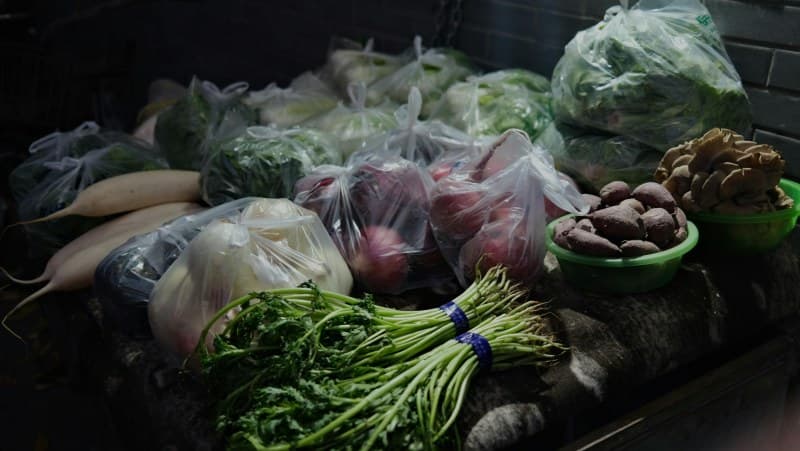
Last week, I came home after a busy workday to find my bag of spinach slimy and my strawberries moldy—total bummer. I’d spent $15 on fresh produce, and half of it was gone in 3 days. That’s when I decided to dig into simple, actionable ways to make my groceries last longer. Turns out, a few small changes can save both money and food waste.
Why Produce Spoils So Fast
Produce goes bad for three main reasons: ethylene gas (some fruits release this to ripen others quickly), excess moisture (leads to mold), and wrong temperature (too cold or too warm). For example, bananas release lots of ethylene—if you put them next to lettuce, the lettuce will wilt in a day or two.
5 Key Methods to Extend Produce Life
Here’s a breakdown of the most effective ways to keep your produce fresh, compared side by side:
| Method | How It Works | Pros | Cons | Cost |
|---|---|---|---|---|
| Ethylene Separation | Keep ethylene emitters (apples, bananas) away from sensitive veggies (spinach, carrots). | Easy, no cost, immediate results. | Needs extra fridge space to separate items. | $0 |
| Paper Towel Trick | Place a dry paper towel in produce containers to absorb excess moisture. | Reduces mold growth, low cost. | Requires replacing towels every 2–3 days. | $1–$2/month |
| Airtight Containers | Store produce in BPA-free airtight containers to lock in freshness. | Extends life by 2–3x, keeps produce crisp. | Initial investment in containers. | $10–$20 |
| Refrigeration Zones | Use fridge crisper drawers: high humidity for greens, low for fruits. | Optimizes temperature/moisture, no extra cost. | Requires knowing which produce goes where. | $0 |
| Freezing | Blanch veggies or freeze fruits (like berries) for long-term storage. | Lasts months, great for bulk buys. | Changes texture (not ideal for all produce). | $0 |
My friend Sarah started using the paper towel trick for her lettuce. She wraps a dry towel around the lettuce head and puts it in a container—now her lettuce lasts 2 weeks instead of 3 days. Total game-changer!
Myths to Stop Believing
- Myth: Tomatoes should be refrigerated. Fact: Cold temperatures damage tomatoes’ flavor and texture—keep them on the counter instead.
- Myth: Wash all produce before storage. Fact: Moisture causes mold—wash only right before using.
- Myth: All greens need the same storage. Fact: Leafy greens (spinach) need high humidity, while herbs (basil) prefer room temperature.
“Waste not, want not.” — Traditional Proverb
This old saying hits home here. Small efforts to preserve produce don’t just save money—they also cut down on food waste, which is good for both your wallet and the planet.
Common Q&A
Q: Can I store all fruits together?
A: No. Fruits like apples, bananas, and avocados release high levels of ethylene. Keep them away from sensitive veggies (broccoli, carrots) and fruits (grapes, berries) to prevent premature spoiling.
Q: How long can I freeze produce?
A: Most veggies last 8–12 months in the freezer, while fruits last 6–8 months. Just make sure to blanch veggies first to retain nutrients.
Final Tips
Start small: Pick one method (like ethylene separation) and try it this week. You’ll be surprised how much longer your produce lasts. And remember—every little bit helps reduce waste and save money.