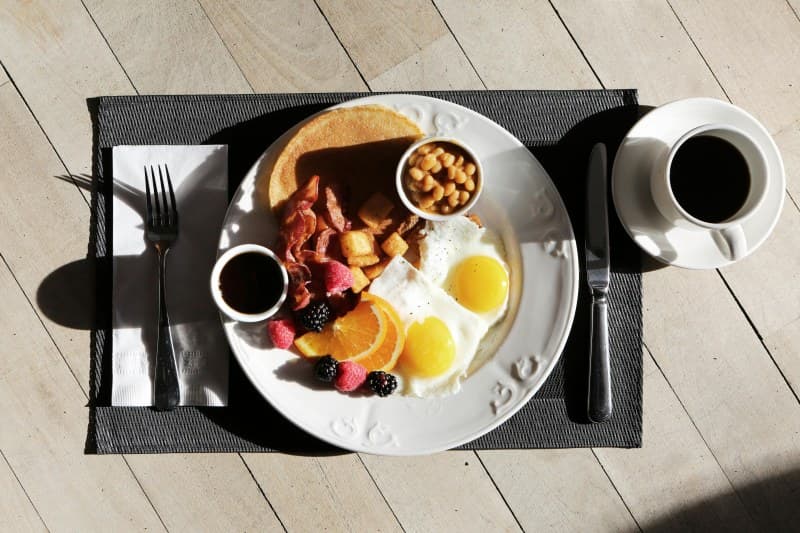
Lila hits snooze three times every morning, then rushes out the door without a bite to eat. She’s heard a hundred times that skipping breakfast is the worst thing for her metabolism, so she feels guilty by mid-morning. But is that really true?
The Truth About Skipping Breakfast
For decades, we’ve been told breakfast is non-negotiable for weight management and energy. But recent research paints a more nuanced picture. A 2023 study in the American Journal of Clinical Nutrition found that skipping breakfast doesn’t directly slow metabolism or cause weight gain—if your total daily calorie intake and nutrient balance stay on track. For Lila, who eats a balanced lunch (grilled chicken salad with quinoa) and dinner (salmon and roasted veggies), skipping breakfast might not be harmful at all.
7 Breakfast Myths Debunked
Let’s break down the most persistent myths about breakfast and what science actually says:
| Myth | Truth | Key Note |
|---|---|---|
| Skipping breakfast slows your metabolism. | Short-term fasting (like skipping breakfast) doesn’t lower metabolic rate significantly. | Your body adapts to calorie intake over time, not just one meal. |
| Breakfast is the most important meal of the day. | It depends on your lifestyle—for kids and people with certain health conditions, yes; for others, no. | Consistency in nutrient intake matters more than meal timing. |
| You need to eat breakfast within 30 minutes of waking up. | There’s no magic window—listen to your hunger cues. | Some people feel hungry immediately; others need an hour or two. |
| Breakfast must include grains to be healthy. | Grains are optional—protein-rich meals (like eggs and avocado) are just as nutritious. | Focus on protein and fiber to keep you full longer. |
| Skipping breakfast leads to overeating later. | Not for everyone—some people eat less overall when they skip breakfast. | Depends on individual self-control and hunger levels. |
| Smoothies are always a healthy breakfast option. | Many store-bought smoothies are high in sugar and low in protein. | Make your own with leafy greens, protein powder, and low-sugar fruits. |
| Kids who skip breakfast perform worse in school. | Studies show kids who eat breakfast have better focus, but skipping doesn’t guarantee poor performance. | Encourage breakfast, but don’t stress if your kid isn’t hungry in the morning. |
A Classic Take on Breakfast
“Early to bed and early to rise, makes a man healthy, wealthy, and wise.” — Benjamin Franklin
Franklin’s quote reflects the value of morning routines in his time, but modern science tells us flexibility is key. You don’t have to wake up at dawn or eat a big breakfast to be healthy—what matters is finding a routine that works for your body.
What Does a Balanced Breakfast Look Like?
A good breakfast should keep you full and energized until lunch. Here are a few examples:
- Scrambled eggs with spinach and whole-grain toast 🍳
- Greek yogurt with berries and chia seeds 🥣
- Oatmeal with almond butter and banana 🍌
FAQ: Common Breakfast Questions
Q: If I’m not hungry in the morning, should I force myself to eat breakfast?
A: No. Listen to your body. If you’re not hungry, waiting until you feel hungry (like mid-morning) is fine, as long as you choose nutrient-dense foods when you do eat. For example, a small handful of nuts or a piece of fruit can be a great mid-morning snack.
Final Thoughts
Breakfast isn’t a one-size-fits-all meal. Whether you skip it or enjoy a big plate of pancakes, the key is to make choices that align with your body’s needs and overall health goals. So next time you hit snooze and skip breakfast, don’t feel guilty—just make sure your next meal is balanced.