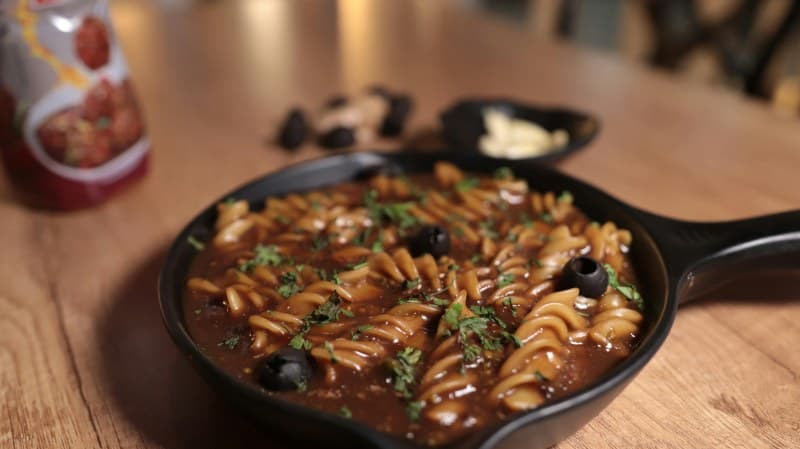
We’ve all been there: standing over the sink, colander in hand, wondering if we should rinse that just-cooked pasta. Some say it’s a must to prevent sticking; others swear it ruins the sauce. Let’s cut through the confusion and set the record straight.
The Truth About Rinsing Pasta
Rinsing pasta isn’t always wrong—it just depends on what you’re making. When you cook pasta, the surface releases starch, which helps sauces cling to it. If you’re making a warm pasta dish (like spaghetti bolognese or carbonara), rinsing washes away that starch, so your sauce won’t stick as well. But if you’re making pasta salad? Rinsing is a game-changer. It cools the pasta down quickly, stops the cooking process, and removes excess starch to keep the salad from clumping.
Rinse vs. Don’t Rinse: A Quick Comparison
Here’s a breakdown of when to choose each method:
| Aspect | Rinsing Pasta | Not Rinsing Pasta |
|---|---|---|
| Purpose | Cool pasta, prevent clumping, remove starch | Retain starch for sauce adhesion |
| Best For | Pasta salads, cold pasta dishes | Warm pasta dishes (sauces, soups) |
| Effect on Starch | Washes away excess starch | Keeps starch on pasta surface |
| Sauce Adhesion | Reduces (good for light dressings) | Enhances (perfect for thick sauces) |
Debunking 2 More Pasta Myths
Myth 1: Adding Oil to Pasta Water Prevents Sticking
Ever poured a splash of oil into the pot before boiling pasta? You’re not alone—but it’s unnecessary. Oil floats on top of the water, so it doesn’t coat the pasta. Instead, stir the pasta gently after adding it to the pot, and use enough water (about 4 quarts per pound) to prevent clumping. If you do add oil, it’ll make your sauce slide off the pasta later.
Myth 2: Pasta Must Be Cooked in a Huge Pot
While a large pot is ideal for preventing overcrowding, you don’t need a giant one. As long as you have enough water (to let pasta move freely) and stir it often, a medium pot works for smaller batches. Just avoid cramming too much pasta into a tiny pot—this leads to uneven cooking and sticking.
A Pasta Salad Story
Last summer, I made a pasta salad for a picnic without rinsing the pasta. By the time I got to the park, the pasta had clumped into a sticky mess, and the dressing wouldn’t spread evenly. I learned my lesson: rinsing cold pasta dishes is non-negotiable. Now, I always rinse my pasta salad under cold water, and it stays fluffy and fresh all day.
Classic Quote to Remember
“The only real stumbling block is fear of failure. In cooking you’ve got to have a what-the-hell attitude.” — Julia Child
This quote rings true for pasta cooking. Don’t be afraid to experiment—try not rinsing your next spaghetti dish, or rinsing your pasta salad, and see the difference. Cooking is all about learning from mistakes.
FAQ: Common Pasta Question
Q: How do I know if my pasta is al dente?
A: Al dente means “to the tooth” in Italian—pasta should be firm but not crunchy. To check, take a piece of pasta and bite into it. If there’s a small, white center, it’s done. If it’s still hard in the middle, cook it a minute longer. Remember: pasta continues to cook a little after draining, so don’t overcook it.
Next time you cook pasta, keep these tips in mind. Whether you’re making a warm sauce or a cold salad, you’ll know exactly what to do to get perfect results every time.