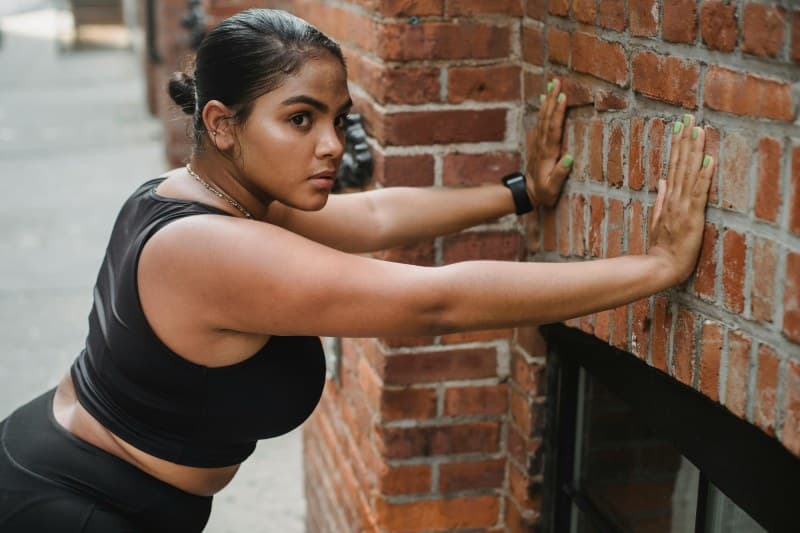
Last month, my friend Mia told me she was frustrated. She’d been hitting the gym every single day for two months, lifting weights, but her biceps weren’t growing and her joints ached. ‘Am I doing something wrong?’ she asked. Turns out, Mia was falling for one of the most common strength training myths: that more is always better.
The Truth About Daily Strength Workouts
Here’s the thing: Muscles don’t grow during your workout—they grow when you rest. When you lift weights, you create tiny micro-tears in your muscle fibers. Rest days give your body time to repair those tears, making the muscles stronger and bigger. Skipping rest can lead to burnout, injury, or even stalled progress, like Mia experienced.
7 Common Strength Training Myths Debunked
Let’s break down 7 myths that might be holding you back, and replace them with facts:
| Myth | Truth |
|---|---|
| You need to workout every day to build strength. | 2-4 days/week is enough for most people—rest is key for muscle growth. |
| Heavy weights are the only way to build muscle. | Light weights with high reps (15-20) build muscle endurance; mix both for balance. |
| Spot reduction (targeting fat in one area) works. | Body fat is lost overall—strength training boosts metabolism to burn fat everywhere. |
| Strength training makes women bulky. | Women have less testosterone than men; bulky muscles require specific diet and intense training. |
| Warming up isn’t necessary for strength training. | 5-10 mins of dynamic stretches (arm circles, leg swings) prevents injury and improves performance. |
| Older adults shouldn’t lift weights. | Strength training maintains bone density and mobility—critical for seniors’ health. |
| More reps = better results. | Quality over quantity: Proper form beats extra reps; 8-12 reps (for muscle growth) is optimal. |
Why Rest Matters: A Classic Perspective
“Rest is the best medicine.” — Hippocrates
This ancient wisdom still holds true today. Rest isn’t laziness—it’s an essential part of any fitness routine. Mia started taking 3 rest days a week (including light walks and yoga) and within a month, her joints felt better and her strength improved.
A Relatable Success Story
Mia adjusted her routine after learning these myths. She switched to 3 days of strength training (focusing on compound movements like squats and push-ups) and 4 rest days. Within 4 weeks, she noticed her squats got deeper, her push-ups were easier, and her energy levels were higher outside the gym. “I can’t believe I was wasting time working out every day,” she said. “Resting made all the difference.”
FAQ: Your Strength Training Questions Answered
Q: How long should a strength training session last?
A: 30-45 minutes is enough for most people. Focus on compound movements (squats, deadlifts, push-ups) that work multiple muscle groups to maximize efficiency.
Q: Do I need equipment to build strength?
A: No! Bodyweight exercises like planks, lunges, and push-ups are effective for beginners. You can also use household items (like water bottles or canned goods) as weights if needed.
Remember: Strength training is about consistency, not perfection. Don’t let myths hold you back—listen to your body and give it the rest it needs to grow.