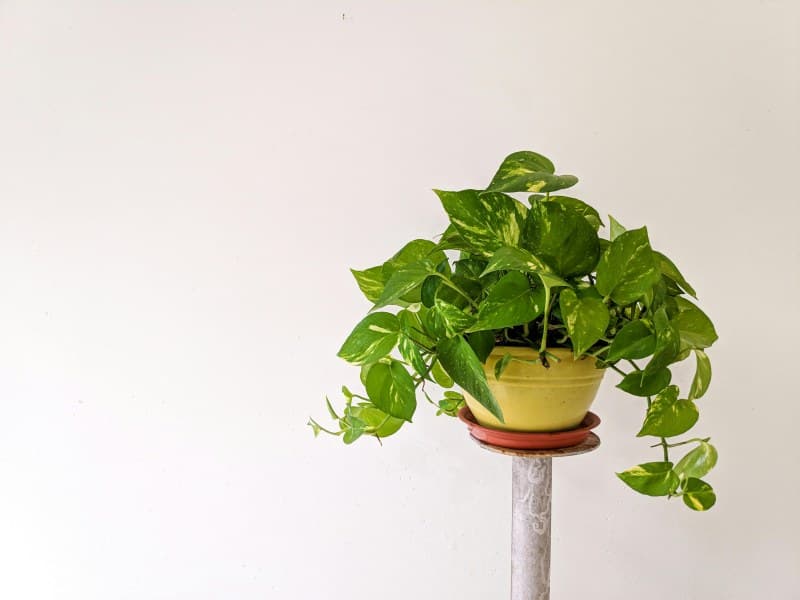
Sarah brought home a vibrant pothos last month, determined to keep it alive. She watered it every morning—assuming that’s what all plants needed. A week later, the leaves turned yellow and mushy. Panicked, she stopped watering for a week, and to her surprise, the plant perked up. Sound familiar? The myth that houseplants need daily watering is one of the most common gardening mistakes, and it’s costing us our green friends.
Why the “water daily” myth sticks (and why it’s wrong)
Many new plant parents think daily watering is a safe bet—after all, plants need water to grow. But here’s the truth: most houseplants hate being soaked nonstop. Roots need oxygen as much as they need water. When you water too often, the soil becomes waterlogged, clogging the tiny pores that let roots breathe. Over time, this leads to root rot, yellow leaves, and eventually, a dead plant.
Overwatering vs Underwatering: Spot the difference
Confused about whether your plant is thirsty or drowning? Use this table to tell:
| Sign | Overwatering | Underwatering |
|---|---|---|
| Leaf color | Yellow, mushy leaves (often starting at the base) | Brown, crispy leaf tips or edges |
| Root condition | Soft, brown, or smelly roots | Dry, brittle roots |
| Soil texture | Always damp, may have mold | Hard, crumbly, and dust-like |
| Growth | Stunted, with droopy leaves even when soil is wet | Slow growth, leaves curling inward |
Two key myths to stop believing now
Myth 1: More water = lusher growth
This is a classic case of too much of a good thing. Plants absorb water only when they need it. Excess water doesn’t make them grow faster—it just sits in the soil, causing root damage. For example, a snake plant (a succulent) only needs water every 2-3 weeks. Watering it daily would kill it in no time.
Myth 2: All houseplants need the same schedule
Succulents and cacti store water in their leaves, so they need less frequent watering. Ferns and peace lilies, on the other hand, love moist soil (but not soggy!). A good rule of thumb: group plants with similar water needs together to make care easier.
“The secret to a healthy plant is knowing when to water it, not how often.” — Unknown (widely shared gardening wisdom)
This quote hits the nail on the head. Instead of following a rigid schedule, check your plants’ soil regularly. Stick your finger 1-2 inches into the soil—if it’s dry, water; if it’s damp, wait.
How to get your watering right (a quick guide)
- Use well-draining soil: This prevents water from pooling at the bottom of the pot.
- Choose pots with drainage holes: If your pot doesn’t have holes, add a layer of pebbles at the bottom to catch excess water.
- Water thoroughly: When you do water, pour until it comes out the drainage holes. This flushes out salts and ensures roots get enough moisture.
FAQ: Your top watering question answered
Q: What if I’m going on vacation? How do I keep my plants watered?
A: For short trips (3-5 days), group your plants together in a tray with a few inches of water (make sure pots have drainage holes so they don’t sit in water). For longer trips, ask a friend to check in—tell them to water only if the soil is dry. You can also use self-watering pots or water bulbs for added peace of mind.
By ditching the daily watering myth and learning to read your plants’ cues, you’ll be well on your way to a thriving indoor garden. Remember: plants are resilient—they just need a little attention, not constant watering.