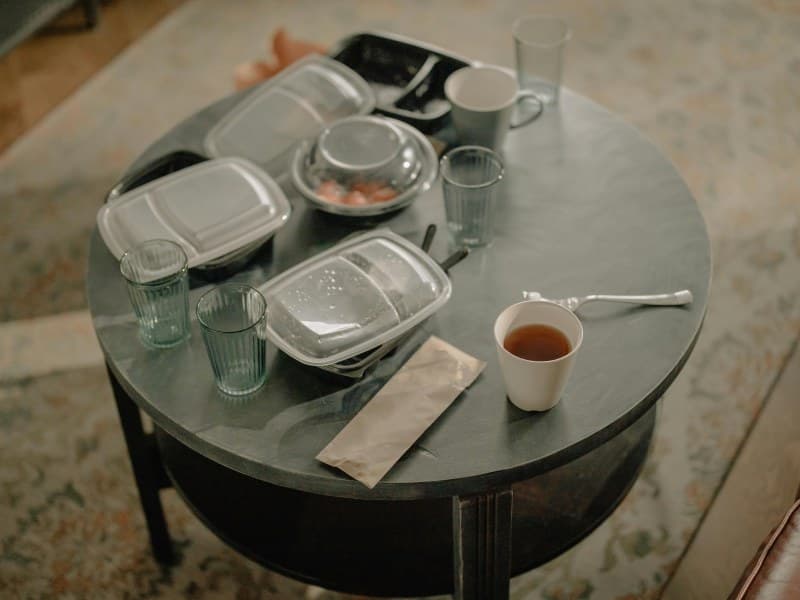
Last week, I came home from a long day at work, made a quick pasta dinner, and stared at the pile of dishes in the sink. The voice in my head yelled, ‘Wash them now or they’ll get impossible to clean!’ But I was exhausted. So I left them. Next morning, I added a splash of warm water, swirled, and rinsed—no caked-on food, no scrubbing. That got me thinking: is the ‘wash immediately’ rule really non-negotiable?
Is Washing Dishes Immediately Necessary? The Truth
It depends on the food. Sticky stuff like oatmeal, egg, or cheese? Yes—they harden fast and become a pain to scrub. But for pasta, rice, or veggies? Leaving them in the sink with a few inches of water (even cold!) softens the residue, making cleaning easier later. Rushing to wash every dish right after eating often wastes time and energy.
5 Common Dishwashing Myths Debunked
Myth 1: Hot water is the only way to get dishes clean
Truth: Warm water (around 120°F) works just as well for most dishes. Hot water (above 140°F) can even damage non-stick pans or melt plastic. For greasy dishes, add a drop of white vinegar to cut through oil—no scalding water needed.
Myth 2: More soap = cleaner dishes
Truth: Too much soap creates suds that are hard to rinse, leaving a residue on your dishes. A pea-sized amount of dish soap for a full sink is enough. If you’re using a dishwasher, follow the manufacturer’s instructions—over-soaping can break it.
Myth 3: Sponges are better than brushes
Truth: Brushes are more sanitary (they dry faster, so less bacteria grows) and better for scrubbing tough spots. Sponges hold moisture and can harbor up to 10 million bacteria per square inch—yuck! If you use a sponge, microwave it for 30 seconds once a week to kill germs.
Myth 4: Air-drying is unsanitary
Truth: Air-drying is actually more sanitary than wiping with a towel. Towels can harbor bacteria and leave lint on your dishes. Just make sure to rinse dishes well before air-drying.
Myth 5: All dishes need scrubbing
Truth: Soaking dishes in warm water with a bit of soap for 10 minutes can eliminate the need for scrubbing for most foods. For example, pasta bowls or rice pots—soak them while you watch a show, then rinse them off in seconds.
Which Dishwashing Tool Should You Use?
Wondering if a sponge, brush, or dishcloth is best? Here’s a quick comparison:
| Tool | Pros | Cons | Best For |
|---|---|---|---|
| Sponge | Soft, gentle on delicate dishes | Holds bacteria, needs frequent replacement | Glassware, non-stick pans |
| Brush | Dries fast, sanitary, great for scrubbing | Can scratch delicate surfaces | Pots, pans, tough stains |
| Dishcloth | Reusable, soft for wiping counters | Needs washing often, spreads bacteria | Wiping down surfaces, light cleaning |
Benjamin Franklin once said, “By failing to prepare, you are preparing to fail.” But when it comes to dishes, preparing (soaking) instead of rushing (washing immediately) is the smart way to save time.
A Real-Life Example
My friend Sarah used to wash every dish right after eating, even if she was busy. She’d spend 20 minutes scrubbing pasta bowls every night. Then she tried soaking them in warm water with a drop of soap while she watched her favorite show. Now she spends 5 minutes rinsing them off—no scrubbing needed. She says it’s one of the best life hacks she’s ever learned.
Quick Q&A
Q: Can I leave dishes in the sink overnight?
A: Yes! For most dishes, adding a few inches of water to the sink will prevent food from hardening. Just avoid leaving dairy or meat dishes overnight—they can spoil and attract pests.
3 Time-Saving Dishwashing Hacks
- Soak smart: Add a tablespoon of baking soda to warm water for extra cleaning power.
- Sort as you go: Put dirty dishes in the sink while you cook to avoid a big pile at the end.
- Vinegar trick: For greasy pans, pour a bit of vinegar and let it sit for 5 minutes before washing—no scrubbing needed.
Dishwashing doesn’t have to be a chore. By ditching the myths and using these hacks, you can save time and keep your dishes clean. Next time you’re tired after dinner, don’t stress—leave those dishes (with a bit of water!) and come back to them later. Your future self will thank you.