Last year, I wandered into a tiny cat café in Tokyo, my Japanese limited to ‘arigatou’ (thank you) and ‘neko’ (cat). The owner, a quiet woman in her 50s, didn’t speak a word of English. But when I pulled out a photo of my own cat from my phone, her face lit up. We spent 15 minutes flipping through each other’s cat albums, laughing and pointing at silly poses. No words needed—just shared joy over our furry friends. That day, I realized language isn’t the only bridge to connection.
The Truth: Language Isn’t Everything
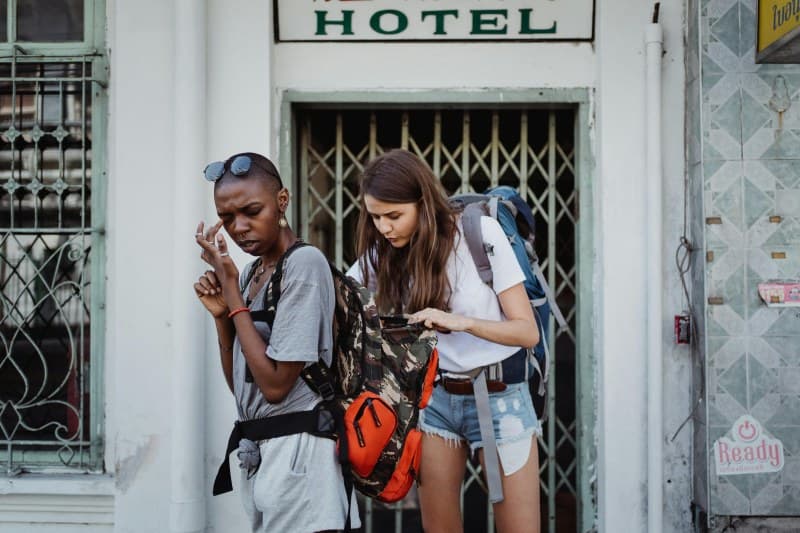
Travelers often stress about learning basic phrases before a trip, but the reality is that non-verbal communication and genuine effort go a long way. Smiles, gestures, eye contact, and shared experiences (like trying a local dish or admiring a street art piece) can create bonds that words can’t always capture. Locals don’t expect perfect fluency—they appreciate that you’re making an effort to engage with their culture.
2 Common Myths (And What’s Actually True)
Let’s break down two persistent myths about language and travel:
| Myth | Reality |
|---|---|
| Myth 1: You need to know basic phrases to be polite. | Reality: A genuine smile, a small gesture (like bowing in Japan or waving in Mexico), or even a nod of appreciation are often more meaningful than fumbling through phrases. Locals notice the effort, not the perfection. |
| Myth 2: Locals get annoyed if you don’t speak their language. | Reality: Most locals are flattered that you’re visiting their country. They’ll often go out of their way to help—using Google Translate, pointing to directions, or finding someone who speaks English. Annoyance is rare; curiosity and kindness are common. |
A Classic Take on Connection
“Kindness is the language which the deaf can hear and the blind can see.” — Mark Twain
Twain’s words ring true in travel. My Tokyo cat café experience was a perfect example: no words, just kindness and shared joy. A small act of reaching out (like showing a cat photo) can bridge any language gap.
Practical Tips for Language-Free Connections
- ✨ Use gestures and visuals: Point to things, use facial expressions, or show photos on your phone to communicate.
- 🍜 Share food: If you’re eating street food, offer a bite to a nearby local (with permission). Food is a universal language.
- 📸 Ask about their hobbies: Point to a vendor’s craft (like a potter’s work) and give a thumbs up. They’ll likely show you their process.
FAQ: I’m Nervous About Approaching Locals—What Should I Do?
Q: I’m shy and worried I’ll make a fool of myself. How do I start a conversation without language?
A: Start with tiny, low-pressure interactions. For example, if you’re buying fruit from a market vendor, smile and hold up two fingers to ask for two pieces. If they smile back, try pointing to the fruit and saying “delicious?” (even in your own language). Most locals will respond positively—remember, they love seeing tourists engage with their culture.
At the end of the day, travel is about connection, not perfection. You don’t need to speak the local language to make meaningful memories—just an open heart and a willingness to try.