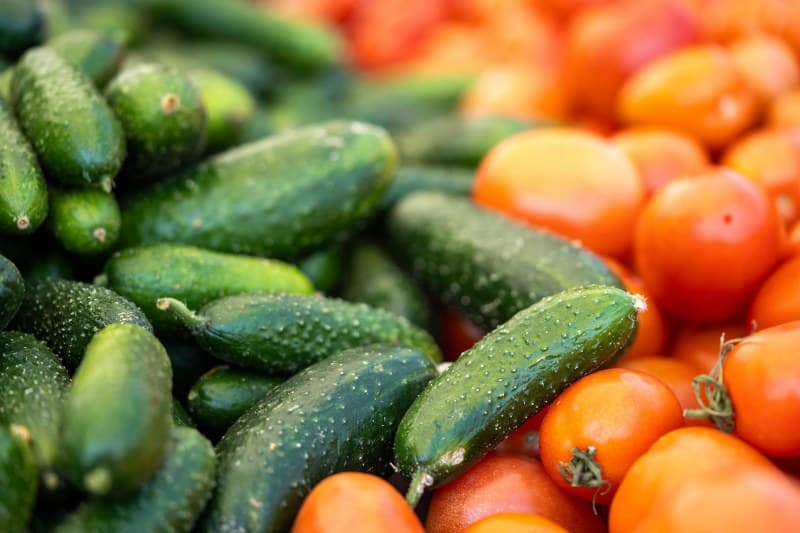
Last week, I picked up a pint of sun-ripened tomatoes from my local farmers’ market. They smelled like summer—sweet, earthy, and full of promise. I tossed them in the fridge to ‘keep them fresh,’ but when I pulled them out two days later, they were mushy, flavorless, and a far cry from the vibrant produce I’d bought. I’d fallen for one of the most persistent food myths: that all produce needs to be refrigerated. Let’s unpack the truth about tomato storage and bust six other common myths that might be ruining your fresh produce.
The Truth About Tomato Storage 🍅
Tomatoes are tropical fruits, which means they thrive in warm temperatures. When you stick them in the fridge (below 55°F/13°C), the cold damages their cell walls. This breaks down the enzymes that give tomatoes their flavor and texture, turning them into mealy, tasteless globes. Ripe tomatoes should stay on the counter, away from direct sunlight. If they’re unripe, pop them in a paper bag with a banana or apple—these fruits release ethylene gas, which speeds up ripening.
“Freshness is the essence of good cooking.” — James Beard
This quote hits home because storing produce correctly isn’t just about keeping it from spoiling—it’s about preserving the flavor that makes home-cooked meals sing. A tomato that’s stored right tastes like summer; one stored wrong tastes like nothing.
Produce Storage 101: Correct vs. Common Mistakes
To help you avoid my tomato mishap, here’s a quick comparison of how to store three common produce items:
| Produce Item | Correct Storage | Common Mistake | Why It Matters |
|---|---|---|---|
| Tomatoes | Room temp (ripe), paper bag (unripe) | Refrigeration | Loses flavor and becomes mushy |
| Avocados | Paper bag (unripe), fridge (ripe) | Fridge when unripe | Slows ripening; takes days longer to be ready |
| Potatoes | Cool, dark, dry place (like a pantry) | Store with onions | Onions release gas that causes potatoes to sprout quickly |
6 Common Produce Storage Myths Debunked 💡
- Myth: All produce needs refrigeration. Truth: Tropical fruits (mangoes, bananas, tomatoes) and root veggies (potatoes, onions) prefer room temp. Refrigeration can stunt their flavor or texture.
- Myth: Wash produce before storing. Truth: Moisture is mold’s best friend. Wash fruits and veggies right before you use them to keep them fresh longer.
- Myth: Berries last longer in airtight containers. Truth: Berries need air circulation to prevent mold. Use a container with small holes or leave the lid slightly open.
- Myth: Carrots don’t need water. Truth: Carrots are 88% water! Store them in a container with a few inches of water (like a jar) to keep them crisp for weeks.
- Myth: Onions should be stored in the fridge. Truth: Onions need to breathe. Keep them in a cool, dry place—refrigeration makes them soft and moldy.
- Myth: Citrus fruits last longer at room temp. Truth: Citrus (oranges, lemons) stays fresh longer in the fridge. The cold slows down decay and preserves their juiciness.
Quick Q&A: Your Produce Storage Questions Answered
Q: Can I store leafy greens like spinach in the fridge?
A: Yes! But there’s a trick: wrap them in a damp paper towel and place them in a loosely sealed bag. The damp towel keeps them crisp, and the loose seal prevents moisture buildup (which causes slime).
Practical Tips to Keep Produce Fresh Longer
- Store apples separately—they release ethylene gas that can ripen other produce too fast.
- Use glass containers for berries instead of plastic—glass is less likely to trap moisture.
- Check your produce weekly: remove any spoiled items to prevent mold from spreading to others.
By ditching these myths, you’ll not only save money (no more throwing away mushy tomatoes!) but also enjoy produce that tastes as fresh as the day you bought it. Remember: the best way to store produce is to listen to its nature.