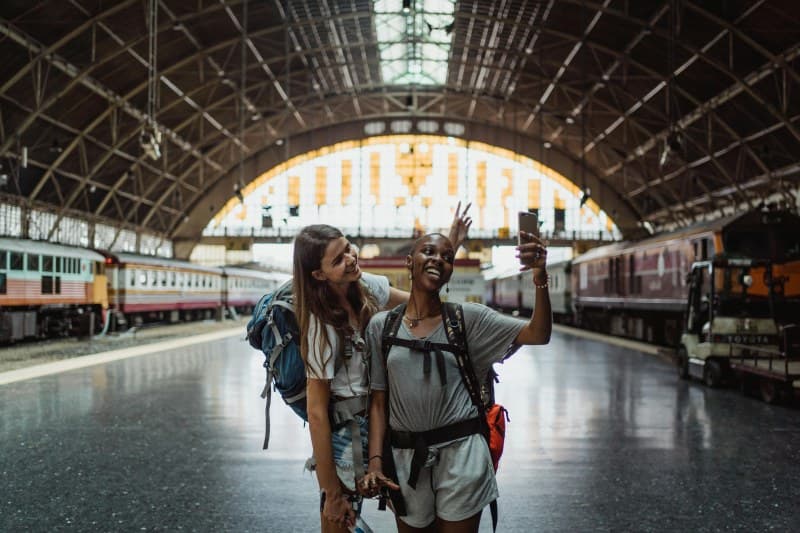
Last year, my friend Lila spent three months mapping every hour of her Paris vacation: 9 AM Louvre tour, 12 PM pre-booked café lunch, 2 PM Seine cruise, 5 PM Montmartre art class—you name it. But on her second day, she passed a street festival with live music and local crepes, and couldn’t join because it wasn’t on her schedule. Later, she told me, “I felt like I was checking boxes instead of living the trip.” Her story got me thinking: do we really need to plan every minute to have fun?
TheThe>The>: Rigid vs Flexible Planning
BeforeThe truth is, balance is key. Let’s compare rigid two of rigid and flexible planning to see what works:
| Aspect | Rigid Planning Planning | Flexible Planning |
|---|---|---|
| Stress Level | High—worried about missing bookings or falling behind | Low—adapt尘客 to go with the flow |
| Unexpected Moments | Rare—no room for detours | Common—stumbling on hidden gems |
| Memory Creation | Scripted—memories feel planned | Authentic—moments feel unique and personal |
| Adaptability | Poor—hard to change plans if weather or mood shifts | Great—can adjust based on what feels right |
Debunking 2 Common Travel Planning Myths
Myth 1: Unplanned time is wasted time
Many travelers think leaving gaps in their schedule means they’re not “maximizing” their trip. But some of the best travel stories come from unplanned moments. For example, when I visited Kyoto, I skipped my planned temple visit to follow a group of locals to a hidden tea house. There, I learned to make matcha from an 80-year-old woman—an experience I’d never have booked online.
Myth 2: Spontaneity is only for solo travelers
Groups can be spontaneous too! My family once planned a day trip to a beach in Portugal, but on the way, we saw a sign for a small fishing village. We decided to detour, and spent the afternoon eating fresh sardines with local fishermen. Everyone agreed it was the highlight of our trip—even my 10-year-old, who initially complained about changing plans.
“Travel isn’t about the destination, it’s about the journey.” — Anthony Bourdain
This quote hits home because the journey is full of unplanned detours and surprises. Bourdain was famous for embracing spontaneity, and his shows are proof that the best moments aren’t scripted.
FAQ: Balancing Planning and Spontaneity
Q: How do I balance planning and spontaneity without feeling lost?
A: Plan the non-negotiables first—like flights, accommodation, and one or two must-see attractions. Then leave 20-30% of your day unplanned. For example, if you’re in Rome, book your Colosseum ticket in advance, but don’t schedule the afternoon. You might end up wandering a neighborhood market or sitting in a piazza watching people pass by.
At the end of the day, travel is about making memories, not checking off a list. So next time you plan a trip, leave a little room for the unexpected—you might just find your favorite moment.