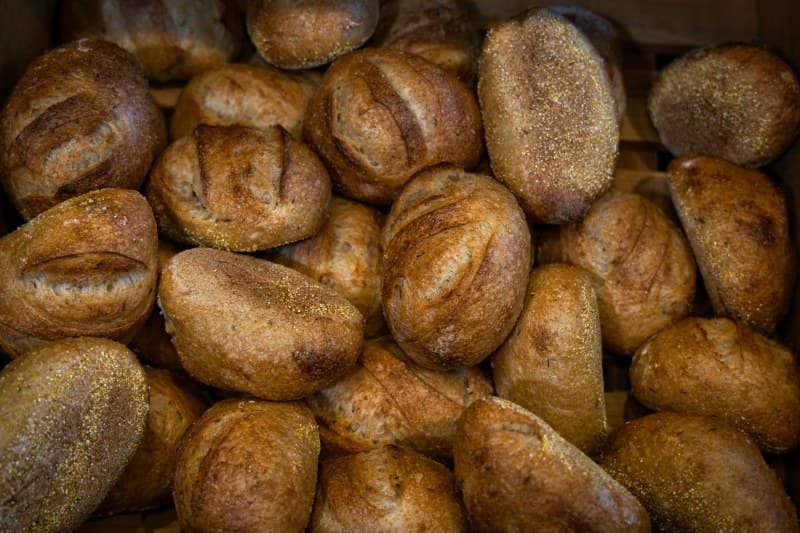
Last month my friend Mia spent two hours kneading sourdough dough, her arms aching, convinced that’s what it took to get a fluffy, crusty loaf. She ended up with a dense, brick-like mess and swore off bread baking forever. But here’s the thing: she fell for one of the most common bread-baking myths. Let’s set the record straight and debunk five more that trip up home bakers.
The Big Myth:
Many beginners think kneading dough for hours is non-negotiable. The truth? Kneading develops gluten, the protein that gives bread its structure. But most yeast doughs only need 5-10 minutes of hand-kneading or 2-3 minutes with a stand mixer. Overkneading breaks down gluten, leading to a tough, dense loaf—exactly what happened to Mia.
5 Bread-Baking Myths vs. The Truth
Let’s break down the top five myths that make home baking feel intimidating:
| Myth | Truth |
|---|---|
| You need to knead dough for hours | Most doughs need 5-10 mins by hand or 2-3 mins with a mixer. Overkneading ruins texture. |
| More yeast = faster, fluffier bread | Too much yeast leads to a yeasty taste and collapsed loaves. Follow recipe amounts. |
| Cold water kills yeast | Yeast is dormant in cold water—warm (105-110°F) activates it; hot (over 140°F) kills it. |
| You must use a Dutch oven for crusty bread | Steam is key! Use a baking sheet + pan of water or cast-iron skillet instead. |
| Bread always needs two rises | Quick breads (banana, zucchini) skip rises; some yeast breads rise once for convenience. |
A Classic Take on Bread Baking
“The only real stumbling block is fear of failure. In cooking, you’ve got to have a what-the-hell attitude.” — Julia Child
Julia Child’s words ring true for bread baking. Don’t let myths like “knead for hours” stop you from trying. Even if your first loaf isn’t perfect, each attempt teaches you something.
FAQ: Your Burning Bread Questions Answered
Q: Can I skip the second rise for yeast bread?
A: It depends. A second rise (proofing) helps develop flavor and texture, but if you’re short on time, some recipes (like no-knead bread) work with one rise. Just expect a slightly denser loaf.
Pro Tips for Stress-Free Bread Baking
- ✨ Window Pane Test: To check if dough is kneaded enough, take a small piece and stretch it thin. If it’s translucent without tearing, it’s done.
- ✨ Warm Rise Spot: Let dough rise in a warm, draft-free place—like inside an oven with the light on (no heat).
- ✨ Don’t Overproof: If dough doubles in size and springs back slowly when poked, it’s ready. Overproofed dough will collapse when baked.
Bread baking doesn’t have to be complicated. Ignore the myths, trust the process, and you’ll be enjoying fresh loaves in no time.