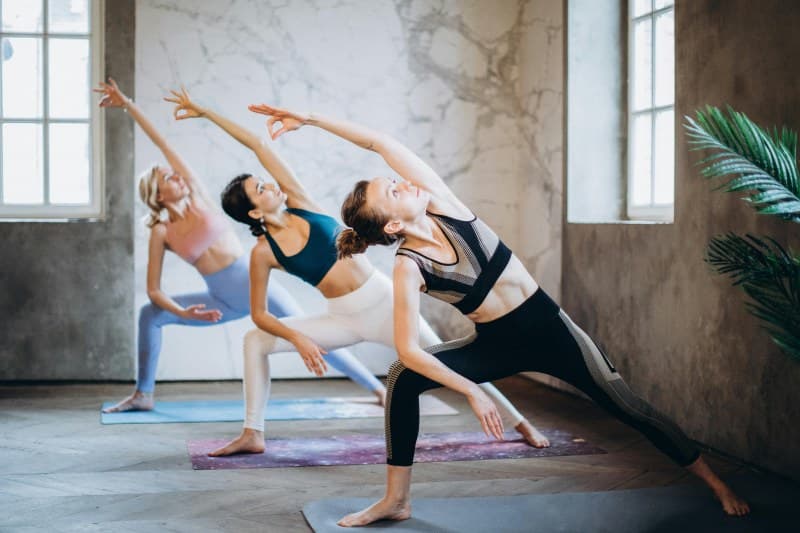
Let’s start with a story: My friend Sarah avoided yoga for years because she couldn’t touch her toes. She’d watch Instagram reels of people bending into pretzel-like poses and think, “That’s not for me.” Then, on a whim, she joined a beginner Hatha class. The instructor handed her blocks to prop up her hands in forward folds and encouraged her to focus on breath, not how far she could stretch. After a month, Sarah noticed she could reach her shins (a win!) and felt calmer than she had in months. The big takeaway? She didn’t need flexibility to start yoga—flexibility came from yoga.
The Truth About Flexibility and Yoga
One of the biggest myths about yoga is that you have to be flexible to begin. The reality? Flexibility is a result of consistent yoga practice, not a prerequisite. Yoga is about connecting your body and breath, not achieving perfect poses. Even if you can’t touch your toes or do a split, you can still benefit from yoga—whether it’s reducing stress, building strength, or improving posture.
6 Common Yoga Myths (And Their Realities)
Let’s break down six of the most persistent yoga myths and set the record straight:
| Myth | Reality |
|---|---|
| You need to be flexible to start yoga. | Flexibility is a byproduct of practice, not a requirement. Beginners can use props (blocks, straps) to modify poses. |
| Yoga is only for women. | Yoga is for everyone—men, women, non-binary folks, and kids. Many professional athletes (like LeBron James) use yoga to improve performance. |
| You have to hold poses for long periods. | Styles like Vinyasa focus on flow (moving from one pose to another) instead of static holds. Even in Yin yoga (slow-paced), holds are optional for beginners. |
| Yoga is just stretching. | Yoga combines movement, breathwork (pranayama), and mindfulness. It builds strength (e.g., Plank pose works core and arms) and improves mental clarity. |
| You need expensive gear. | A basic yoga mat (or even a towel) is enough. Fancy clothes or accessories are optional—comfort is key. |
| Yoga can’t build strength. | Poses like Warrior III, Chaturanga, and Tree pose target major muscle groups. Regular practice can increase muscle tone and endurance. |
A Word From Yoga Wisdom
“Yoga is the journey of the self, through the self, to the self.” — B.K.S. Iyengar
This quote reminds us that yoga isn’t about impressing others or hitting perfect poses. It’s a personal journey of self-discovery and growth. Whether you’re a beginner or an experienced yogi, every practice is an opportunity to connect with your body and mind.
FAQ: Your Yoga Questions Answered
Q: I’m a total beginner—what style of yoga should I try first?
A: Hatha or Yin yoga are great starting points. Hatha focuses on basic poses and breathwork, while Yin is slower and targets connective tissue. Both styles are gentle and allow for modifications.
Q: Can yoga help with back pain?
A: Yes! Poses like Cat-Cow, Child’s Pose, and Downward-Facing Dog can stretch and strengthen the back muscles, reducing pain over time. Always consult a doctor before starting if you have chronic pain.
Final Thoughts
Yoga is for everyone—regardless of age, body type, or flexibility level. The next time you think, “I can’t do yoga,” remember Sarah’s story. Grab a mat (or a towel), find a beginner class, and give it a try. You might be surprised at how much you enjoy it—and how much your body changes.