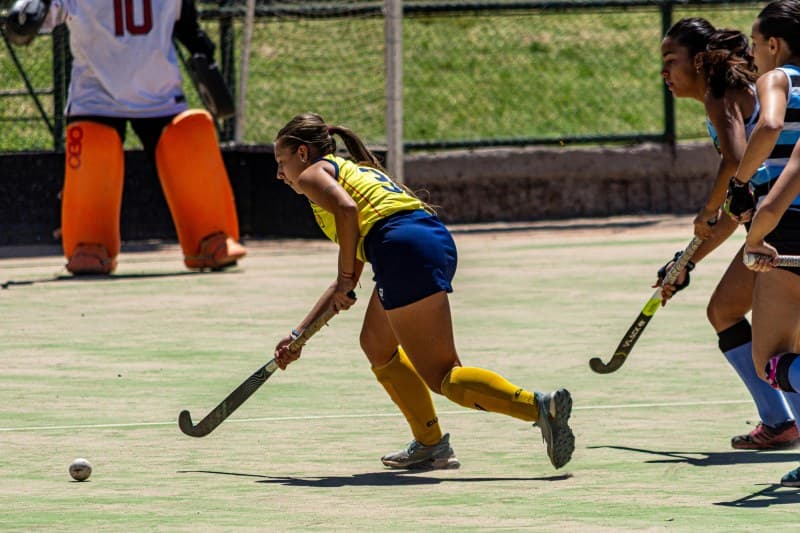
Mia, a 14-year-old soccer enthusiast, used to drag herself to the field every evening for two hours of practice. She ran laps, kicked the ball against the wall, and tried to mimic her favorite players—but her skills weren’t improving. She felt burnt out and ready to quit. Then her coach pulled her aside: “You’re putting in the time, but not the focus. Let’s try 30-minute sessions where we work on your weak foot and passing accuracy.” Within a month, Mia noticed a difference: her passes were crisper, and she could dribble with both feet. The myth that more practice time equals better skills had been holding her back.
The Big Myth: More Time = Better Skills
For decades, athletes and coaches have bought into the idea that longer practice sessions lead to greater improvement. This myth often comes from stories of pro athletes who train for hours daily—but what people forget is that pro training is highly structured, with breaks, feedback, and targeted drills. For casual players or beginners, endless hours of unfocused practice can lead to burnout, injury, or even worse—bad habits that are hard to break.
The Truth: Quality Trumps Quantity
Research from sports science shows that deliberate practice—focused, goal-oriented sessions with immediate feedback—is far more effective than mindless repetition. Deliberate practice means picking a specific skill (like a tennis serve or basketball free throw), working on it with intent, and adjusting based on feedback. Even 20-30 minutes of this type of practice can yield better results than two hours of unfocused play.
Debunking Two Persistent Practice Myths
Myth 1: You have to practice every single day
Rest days are crucial for muscle recovery and skill retention. When you practice a skill, your brain forms new neural pathways—but it needs time to solidify those pathways. Skipping a day or two gives your body and brain a chance to rest, so you come back stronger. For example, a runner who takes one rest day a week is less likely to get injured than one who runs daily.
Myth 2: Repetition without feedback works
Practicing a skill the wrong way over and over will only make you better at doing it wrong. Feedback—whether from a coach, a friend, or even a video of yourself—helps you correct mistakes. Mia’s coach gave her instant feedback on her passing stance, which is why her skills improved so quickly.
Quality vs. Quantity: A Quick Comparison
Let’s break down the key differences between focused, quality practice and long, unfocused sessions:
| Aspect | Quality Practice | Quantity Practice |
|---|---|---|
| Focus | Targeted (one or two skills) | Unfocused (multiple skills, no clear goal) |
| Duration | 20-45 minutes | 1-2+ hours |
| Feedback | Immediate (coach, video, peer) | None or delayed |
| Outcome | Skill improvement, fewer bad habits | Burnout, stagnation, bad habits |
| Best For | Casual players, beginners, skill refinement | Pro athletes (with structured breaks/feedback) |
Wisdom from the Ages: Why Intent Matters
“Quality is not an act, it is a habit.” — Aristotle
This ancient wisdom applies perfectly to sports practice. Excellence isn’t about how many hours you put in—it’s about the habits you build. A habit of focused, intentional practice will take you further than a habit of mindless repetition. Mia’s new habit of 30-minute focused sessions turned her burnout into progress.
FAQ: Your Practice Questions Answered
Q: I’m a casual player—how much practice do I really need to get better?
A: For casual players, 1-2 focused 30-45 minute sessions per week are enough to see improvement. Pick one skill each session (like serving in tennis or dribbling in basketball) and work on it with feedback. You don’t need to practice daily—rest days are important too!
Final Thoughts
The next time you feel guilty for not practicing a sport for hours, remember Mia’s story. The key to getting better isn’t more time—it’s smarter time. Focus on deliberate practice, take rest days, and seek feedback. You’ll be surprised at how much progress you can make with a little intent.