Last week, my friend Lila showed me her sleep app stats, her face tight with worry. “I only got 7.5 hours last night,” she said. “Does that mean I’m ruining my health?” Like many people, Lila had bought into the idea that 8 hours of sleep is a hard rule—no exceptions. But is that really true?
The Truth About the 8-Hour Sleep Rule
The 8-hour guideline is a general recommendation, but it’s not one-size-fits-all. The National Sleep Foundation (NSF) says sleep needs vary by age, lifestyle, and even genetics. Some people thrive on 7 hours; others need 9. What matters most is how you feel during the day: if you’re alert, focused, and not dragging, your sleep quantity is probably right for you.
Here’s a quick breakdown of recommended sleep by age group:
| Age Group | Recommended Sleep (Hours) | Note on 8 Hours |
|---|---|---|
| Teens (13-18) | 8-10 | 8 is the minimum; many need more. |
| Young Adults (18-25) | 7-9 | 8 is average, but 7 or 9 works for some. |
| Adults (26-64) | 7-9 | Most do well with 7-8, but individual differences exist. |
| Older Adults (65+) | 7-8 | 8 is often ideal, but fragmented sleep is common. |
7 Common Sleep Myths Debunked
Let’s clear up some other sleep misconceptions that might be messing with your rest:
1. Myth: You can function well on 5 hours of sleep
While some people claim to be “short sleepers,” only about 1-3% of the population has a genetic mutation that allows them to thrive on less than 6 hours. For most, chronic sleep deprivation leads to poor focus, mood swings, and long-term health risks like heart disease.
2. Myth: Napping during the day ruins nighttime sleep
Short naps (20-30 minutes) can boost energy without disrupting nighttime sleep. Just avoid napping after 3 PM or for longer than an hour—those can make it harder to fall asleep at night.
3. Myth: Alcohol helps you sleep better
Alcohol may help you fall asleep faster, but it disrupts deep sleep (the restorative stage) and causes frequent awakenings during the night. You’ll wake up feeling groggy, even if you slept 8 hours.
4. Myth: Snoring is harmless
Occasional snoring is normal, but loud, consistent snoring can be a sign of sleep apnea—a condition where breathing stops and starts during sleep. If your snoring is accompanied by gasping or daytime fatigue, consider talking to a healthcare provider.
5. Myth: Waking up at night is always a problem
It’s normal to wake up once or twice during the night. In fact, before electric lights, people often had two sleep cycles with a short wakefulness period in between. If you fall back asleep within 20 minutes, it’s nothing to worry about.
6. Myth: Sleep quality doesn’t matter—only quantity
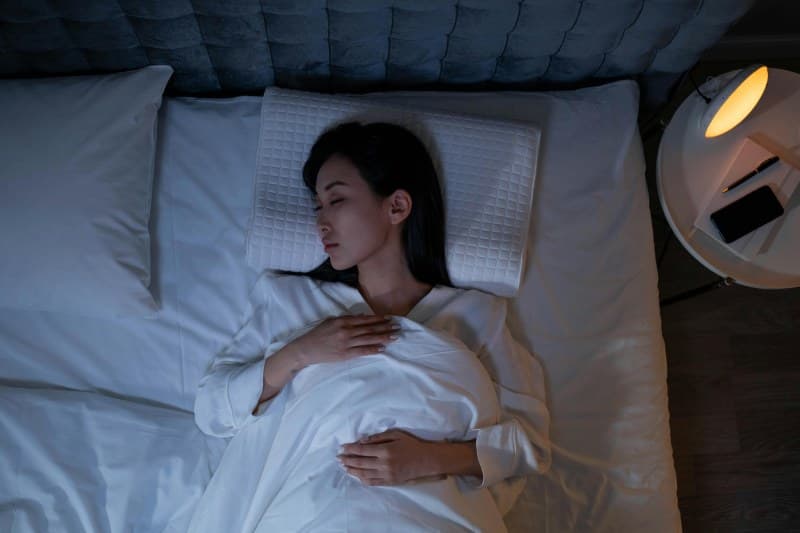
Deep sleep and REM sleep are critical for memory, mood, and physical recovery. You could sleep 8 hours but if it’s fragmented (lots of awakenings), you won’t feel rested. Focus on creating a sleep-friendly environment (dark, cool, quiet) to improve quality.
7. Myth: You can “train” your body to need less sleep
Your body has a natural sleep need—you can’t override it. Trying to cut back on sleep will only lead to cumulative sleep debt, which takes days to repay.
“Early to bed and early to rise makes a man healthy, wealthy, and wise.” — Benjamin Franklin
While Franklin’s advice has stood the test of time, it’s important to remember that “early” is relative. If you’re a night owl who functions best with a later sleep schedule, forcing yourself to wake up early might do more harm than good. The key is consistency, not a specific time.
FAQ: Common Sleep Question
Q: Can I catch up on lost sleep over the weekend?
A: Catching up on sleep can help reduce short-term fatigue, but it’s not a long-term fix. Irregular sleep schedules (like staying up late on weekends and waking up early on weekdays) disrupt your circadian rhythm, leading to jet-lag-like symptoms. Experts recommend sticking to a consistent sleep schedule—even on days off—for better overall sleep health.
At the end of the day, sleep is personal. Instead of fixating on a number, listen to your body. If you’re tired during the day, adjust your sleep schedule. If you’re alert and happy, keep doing what you’re doing. Sleep is about feeling good, not hitting a magic number.