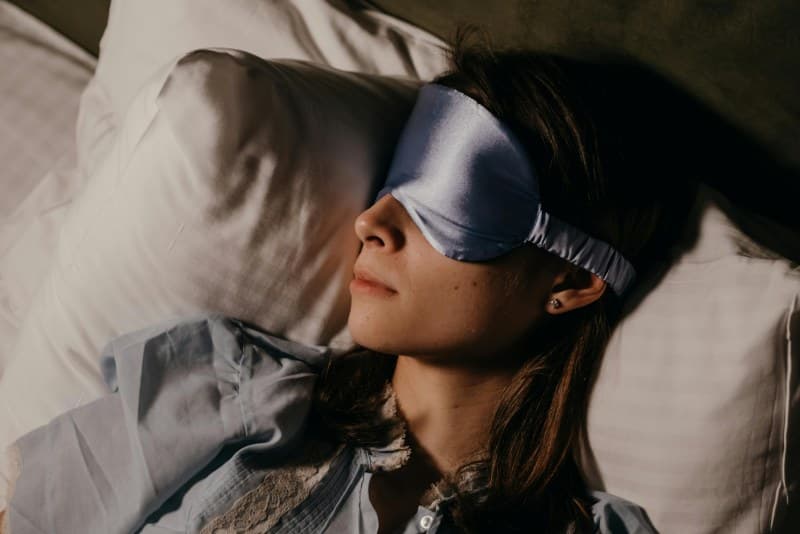
Let’s start with Sarah: a 32-year-old elementary school teacher who lies awake at 11 PM, staring at the ceiling. She’s just wrapped up grading papers, and her mind is racing—she only got 6.5 hours of sleep last night, and everyone says 8 is non-negotiable. Is she ruining her health? Probably not, but the myth of the perfect 8 hours has her stressed.
The Truth About the 8-Hour Rule
The 8-hour sleep recommendation is a general guideline, not a hard rule. The National Sleep Foundation (NSF) says adults aged 18-64 need 7-9 hours of sleep per night. Some people thrive on 7, others need 9. What matters more than the exact number is how rested you feel during the day. Sarah, for example, wakes up without an alarm and feels energized—so her 6.5 hours might be just right for her.
To put this in perspective, here’s a breakdown of recommended sleep by age:
| Age Group | Recommended Sleep |
|---|---|
| Teens (13-17) | 8-10 hours |
| Adults (18-64) | 7-9 hours |
| Older Adults (65+) | 7-8 hours |
4 Common Sleep Myths Debunked
Myth 1: Napping makes you lazy
Short naps (20-30 minutes) are actually a great way to boost alertness and productivity. A 2023 study from the University of California found that napping can improve memory and focus. The key is to avoid long naps (over an hour) which can leave you groggy.
Myth 2: You can catch up on sleep over the weekend
Ever stayed up late Friday and Saturday, then slept until noon Sunday? This “sleep debt” cycle disrupts your circadian rhythm (your body’s internal clock). You might feel rested Sunday, but Monday morning will hit harder—think brain fog and irritability. Consistency is better than cramming sleep.
Myth 3: Snoring is harmless
Occasional snoring is normal, but loud, consistent snoring can be a sign of sleep apnea—a condition where your breathing stops and starts during sleep. Sleep apnea is linked to high blood pressure and heart disease, so it’s worth checking with a doctor if you snore heavily.
Myth 4: Alcohol helps you sleep
Alcohol might make you drowsy, but it reduces REM sleep (the deep, restorative stage of sleep). You’ll wake up more often during the night and feel less rested. Skip the nightcap if you want quality sleep.
Wisdom from the Past
“Early to bed and early to rise makes a man healthy, wealthy, and wise.” — Benjamin Franklin
Franklin’s quote isn’t about the exact time you sleep—it’s about consistency. Going to bed and waking up at the same time every day (even on weekends) helps your body’s clock stay in sync, leading to better sleep quality.
FAQ: I get 7 hours but still feel tired—why?
Q: I’m getting 7 hours of sleep, but I still feel sluggish during the day. What’s wrong?
A: It’s about quality, not just quantity. Check for these common issues: screen time before bed (blue light suppresses melatonin), a too-warm bedroom (ideal temp is 60-67°F/15-19°C), or sleep disruptions like snoring or frequent bathroom trips. Try keeping a sleep journal to track patterns.
Final Thoughts
Sleep isn’t a one-size-fits-all equation. The 8-hour rule is a starting point, but listening to your body is key. If you wake up rested and can get through the day without crashing, your sleep schedule is probably working for you. And remember—consistency beats perfection.