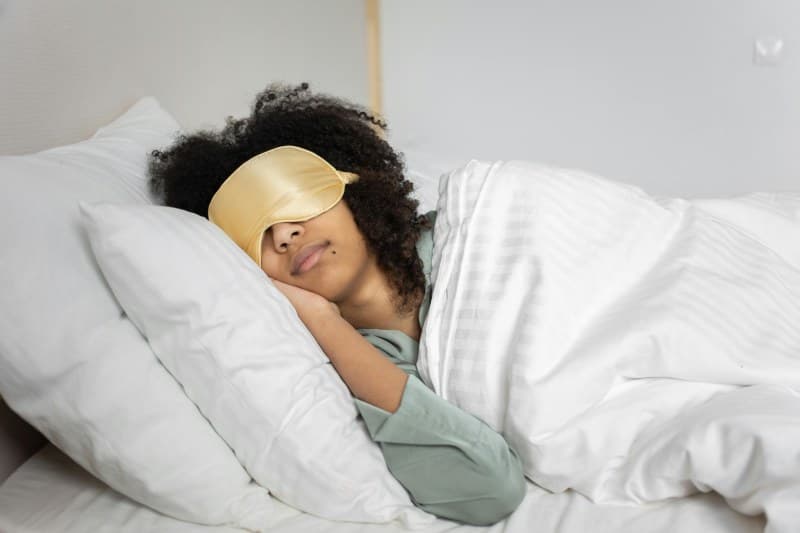
Last week, my friend Lila texted me panicking: “I only got 6.5 hours of sleep last night—am I ruining my health?” She’s been fixated on the idea that 8 hours is non-negotiable, so even a slight deviation makes her feel guilty. But is that 8-hour rule really set in stone?
The Truth About 8 Hours of Sleep
The 8-hour guideline isn’t a one-size-fits-all mandate. It comes from public health recommendations (like the CDC) that suggest adults aim for 7 or more hours nightly. But individual needs vary—some people thrive on 6 hours, others need 9. Factors like age, genetics, and daily activity level play a big role.
To put it in perspective, here’s a breakdown of recommended sleep by age group:
| Age Group | Recommended Sleep (per 24 hours) |
|---|---|
| Infants (4-12 months) | 12-16 hours (including naps) |
| Toddlers (1-2 years) | 11-14 hours (including naps) |
| School-age (6-12 years) | 9-12 hours |
| Teens (13-18 years) | 8-10 hours |
| Adults (18-64 years) | 7-9 hours |
| Older adults (65+) | 7-8 hours |
2 Key Sleep Myths Debunked
Myth 1: You can “catch up” on sleep over the weekend
Many people think skimping on sleep during the week and sleeping in on weekends balances things out. But this creates “social jetlag”—a disruption to your circadian rhythm (your body’s internal clock). For example, if you sleep 5 hours Monday to Friday and 10 on Saturday, your body struggles to adjust. You might feel groggy on Monday morning, and long-term, this can increase the risk of obesity and heart disease.
Myth 2: More sleep is always better
Oversleeping (defined as more than 9 hours for adults) isn’t a sign of great health. Studies link excessive sleep to issues like type 2 diabetes, heart disease, and even depression. It’s not that oversleeping causes these problems—often, it’s a symptom of an underlying issue (like sleep apnea or thyroid problems). But if you’re consistently sleeping more than 9 hours and still feel tired, it’s worth checking in with a healthcare provider.
“Sleep is the best meditation.” — Dalai Lama
This quote reminds us that quality matters more than quantity. Even 7 hours of deep, uninterrupted sleep is better than 8 hours of tossing and turning.
Common Q&A
Q: I only get 7 hours of sleep a night but feel alert and productive during the day. Should I still aim for 8?
A: No! The key is how you feel. If 7 hours leaves you energized, focused, and without midday slumps, that’s your sweet spot. Consistency is more important than hitting an arbitrary number.
Quick Tips for Better Sleep Quality
- Stick to a consistent sleep schedule (even on weekends).
- Keep your bedroom dark, cool, and quiet.
- Avoid screens (phones, TVs) at least 30 minutes before bed—blue light suppresses melatonin.
- Limit caffeine after 2 PM.
At the end of the day, sleep is personal. Instead of stressing about the clock, listen to your body. If you’re rested and functioning well, you’re doing it right.