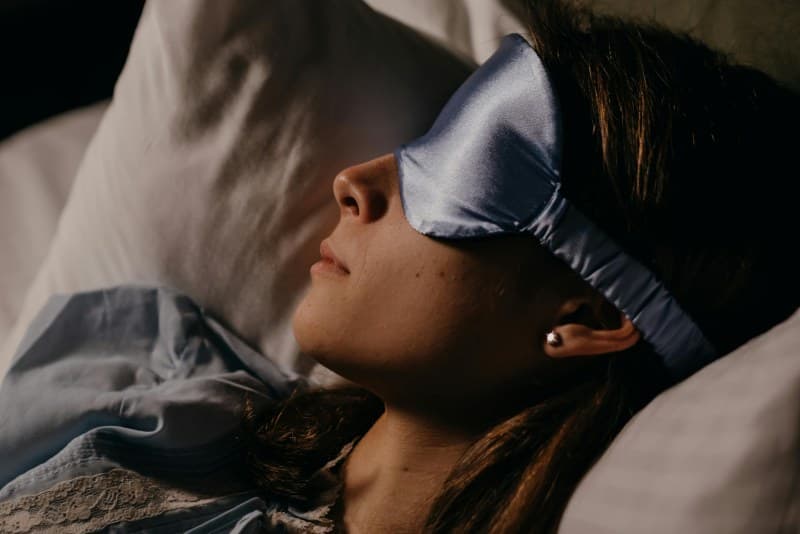
Let’s start with a relatable scenario: Lila checks her sleep tracker every morning. If it shows less than 8 hours, she spends the day feeling guilty—convinced she’s harming her health, even if she woke up feeling rested. Sound familiar? The 8-hour sleep rule is so ingrained in our minds that we often forget to ask: Is it really a one-size-fits-all?
The Truth About the 8-Hour Rule
The 8-hour guideline isn’t a hard rule—it’s an average. The Centers for Disease Control and Prevention (CDC) recommends different sleep durations based on age, and even within those ranges, individual needs vary. Some people thrive on 7 hours; others need 9. Factors like genetics, lifestyle (e.g., exercise level), and health conditions play a big role.
To put this in perspective, here’s a breakdown of CDC’s recommended sleep ranges:
| Age Group | Recommended Sleep Hours | Key Notes |
|---|---|---|
| Adults (18-64) | 7-9 hours | Most adults fall in this range; 7 hours is sufficient for many. |
| Older Adults (65+) | 7-8 hours | Sleep may be lighter, but quality matters more than quantity. |
| Teens (13-17) | 8-10 hours | Growth and development require extra rest. |
Two Common Myths Debunked
Myth 1: More sleep is always better
Oversleeping (10+ hours for adults) can have unintended consequences. Studies link consistent oversleeping to higher risks of heart disease, diabetes, and even depression. It’s not just about how long you sleep—it’s about the quality of your sleep cycles (deep sleep, REM, etc.).
Myth 2: Your sleep needs never change
Life events shift your sleep needs. For example, if you’re training for a marathon, you might need an extra hour of sleep to recover. During pregnancy, sleep needs increase. Even stress or illness can temporarily change how much rest your body requires.
“Sleep is the golden chain that ties health and our bodies together.” — Thomas Dekker
This 17th-century quote rings true today. Understanding your unique sleep needs helps maintain that chain. Lila, our earlier example, realized after tracking her energy levels for a week that 7.5 hours was her sweet spot—she felt alert and productive without the guilt.
FAQ: How Do I Find My Ideal Sleep Duration?
Q: I’m not sure if I’m getting enough sleep. What signs should I look for?
A: Pay attention to how you feel during the day. If you wake up without an alarm, stay alert through meetings, and don’t crave mid-afternoon naps (unless it’s a intentional short rest), you’re likely getting enough. Try adjusting your bedtime by 15 minutes for a week to see how it affects your energy.
Practical Tips to Optimize Your Sleep
- Stick to a consistent sleep schedule (even on weekends) to regulate your circadian rhythm.
- Avoid screens 1 hour before bed—blue light suppresses melatonin, the sleep hormone.
- Create a calm pre-sleep routine (e.g., reading, gentle stretching) to signal your body it’s time to rest.
At the end of the day, the 8-hour rule is a starting point, not a strict mandate. Listen to your body—it knows what it needs better than any number on a tracker.