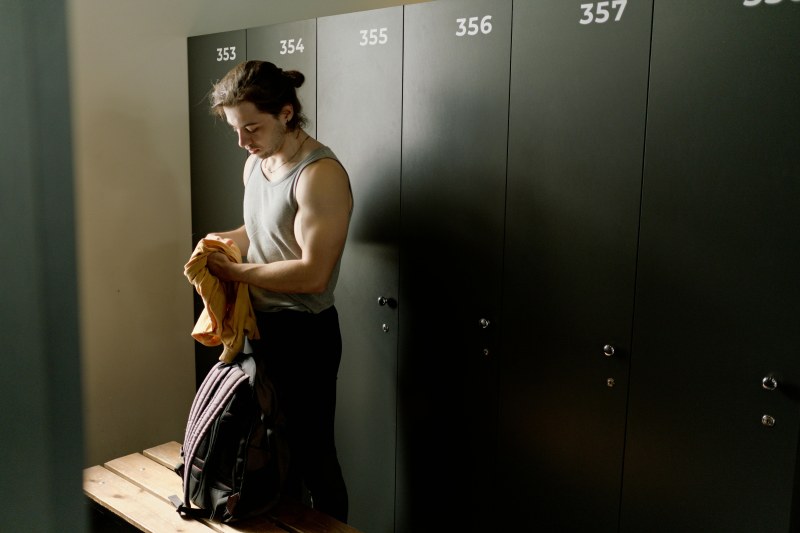
Let’s start with Sarah’s story: A 28-year-old beginner gym-goer who heard the 8-glass rule was non-negotiable for fitness. She chugged 4 glasses before her 30-minute strength session, felt bloated and nauseous, and had to cut her workout short. Sound familiar? We’ve all been told to drink 8 glasses a day, but is it really necessary for fitness?
Where Did the 8-Glass Rule Come From?
The 8-glass myth traces back to a 1945 U.S. Food and Nutrition Board report that suggested adults need about 2.5 liters of fluid daily. But here’s the catch: that number included all fluids—from coffee, tea, soup, and even water-rich foods like watermelon. Over time, it got twisted into a strict “8 glasses of water only” rule.
7 Hydration Myths Debunked (Myth vs Truth)
Let’s break down the most common myths and set the record straight:
| Myth | Truth |
|---|---|
| You must drink 8 glasses of water daily | Needs vary by weight, activity level, climate, and even gender. A 150-lb runner in Texas needs more than a 120-lb office worker in Maine. |
| Sports drinks are better than water for all workouts | For sessions under 60 minutes, water is enough. Sports drinks help replace electrolytes only for longer, intense activities (like a marathon). |
| Thirst means you’re already dehydrated | Thirst is a reliable signal for most people. It’s your body’s way of saying it needs fluid—no need to overdrink before you feel thirsty. |
| Coffee or tea dehydrate you | Moderate intake (1-3 cups a day) doesn’t dehydrate. The caffeine’s diuretic effect is offset by the fluid in the drink. |
| You can’t overhydrate | Overhydration (hyponatremia) is real. It happens when you dilute your blood’s sodium levels, leading to nausea, headaches, or even seizures. |
| Clear urine means you’re hydrated | Pale yellow urine is ideal. Clear urine may mean you’re drinking too much, which can flush out essential electrolytes. |
| Hydration only matters during workouts | Dehydration affects recovery too. Even mild dehydration can slow muscle repair and increase soreness the next day. |
How to Calculate Your Personal Hydration Needs
Here’s a simple formula to find your baseline: Take your weight in pounds, divide by 2. That’s the number of ounces of fluid you need daily. For example, if you weigh 140 lbs: 140 ÷ 2 = 70 oz. Then add extra for activity: 10-15 oz for every 30 minutes of exercise.
Sarah (from our opening story) weighs 130 lbs—her baseline is 65 oz. Adding 10 oz for her 30-minute workout brings her total to 75 oz, which is way less than the 8 glasses (64 oz) she was forcing before. No wonder she felt bloated!
FAQ: Common Hydration Questions
Q: Can I drink too much water during a workout?
A: Yes. Stick to 4-6 oz of fluid every 15 minutes during exercise. Overdrinking can lead to hyponatremia, especially in long-distance events.
Q: Are water-rich foods a good way to stay hydrated?
A: Absolutely! Foods like cucumber (96% water), watermelon (92% water), and oranges (87% water) contribute to your daily fluid intake and add nutrients.
“Water is the driving force of all nature.” — Leonardo da Vinci
Da Vinci’s words ring true for fitness. Water fuels your muscles, regulates body temperature, and helps transport nutrients to where they’re needed. By ditching the 8-glass myth and listening to your body, you can stay hydrated without the stress.
Practical Tips for Fitness Hydration
- Carry a reusable water bottle with markings to track your intake.
- Sip water throughout the day, not just in big gulps.
- Add a pinch of salt to your water if you’re doing a long workout (to replace electrolytes).
- Eat water-rich snacks like grapes or celery before a workout to boost hydration.
At the end of the day, hydration isn’t one-size-fits-all. It’s about understanding your body’s needs and adjusting accordingly. So next time someone tells you to chug 8 glasses, remember Sarah’s story—and drink smart, not just more.