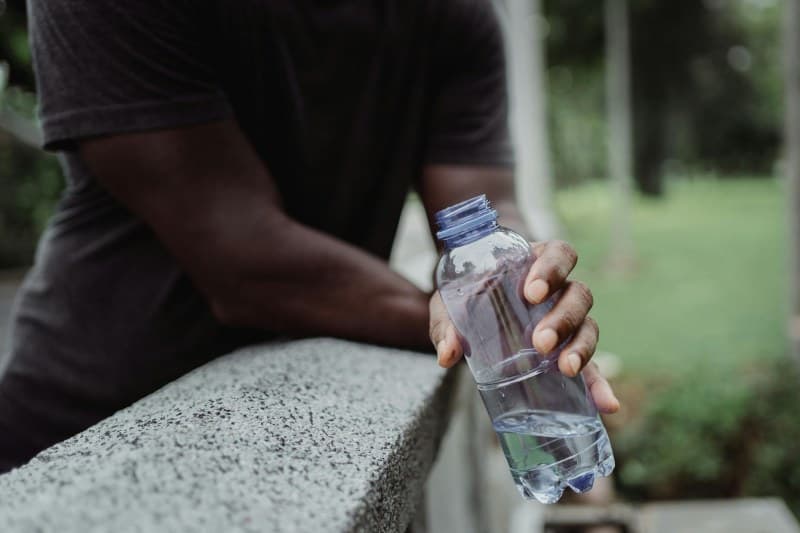
Last week, my friend Sarah told me she was chugging 8 glasses of water a day even though she felt bloated and sloshy. She’d heard it was the golden rule for health, but it was making her miserable. Sound familiar? The 8-glass myth is one of the most persistent in wellness, but it’s not the whole truth.
Where Did the 8-Glass Myth Come From?
The idea likely traces back to a 1945 study by the Food and Nutrition Board, which suggested adults need about 2.5 liters of water daily. But here’s the catch: that number includes water from all sources—fruits, veggies, soups, and even coffee. Most people don’t need to drink 8 glasses of plain water to hit that mark.
6 Hydration Myths vs. Facts
Let’s break down the most common myths and set the record straight with science-backed facts:
| Myth | Fact |
|---|---|
| You must drink 8 glasses of water daily. | Needs vary by activity, climate, body size, and diet. The Institute of Medicine recommends ~3.7L for men and ~2.7L for women (including all fluids/food). |
| Thirst means you’re already dehydrated. | Thirst is an early signal—your body is just letting you know it’s time to drink. It’s not too late to rehydrate. |
| Coffee and tea dehydrate you. | Caffeinated drinks in moderation (up to 400mg caffeine/day) contribute to hydration. They don’t cause net dehydration. |
| Clear urine means you’re perfectly hydrated. | Pale yellow urine is ideal. Clear urine may mean you’re overhydrating, which can dilute electrolytes. |
| You can’t hydrate with food. | Water-rich foods (watermelon, cucumber, oranges) are 90%+ water and count toward your daily intake. |
| Dehydration only causes thirst. | Signs include fatigue, headaches, dry mouth, and dark urine. Severe dehydration can lead to dizziness or confusion. |
Listen to Your Body: A Timeless Wisdom
“The body is a self-healing machine; it gives you signals—listen to them.” — Deepak Chopra
This quote rings true for hydration. Instead of forcing a random number, pay attention to your body’s cues. If you’re thirsty, drink. If your urine is dark, add a glass of water. It’s that simple.
Real-Life Example: Mia’s Hydration Win
Mia, a casual runner, used to force 8 glasses a day before her workouts. She often felt bloated and sluggish mid-run. Then she started drinking when she was thirsty and added watermelon to her pre-run snacks. Within a week, her energy improved, and she stopped feeling heavy. She realized her body didn’t need 8 glasses—it needed balance.
FAQ: Common Hydration Questions
Q: Can I replace water with sports drinks?
A: For most people, no. Sports drinks have sugar and electrolytes, which are only necessary for intense workouts lasting over 60 minutes. For daily hydration, water is best.
Q: How do I know if I’m hydrated enough?
A: Check your urine color (pale yellow is good) and listen to your thirst. If you’re not thirsty and your urine is light, you’re probably doing fine.
Quick Tips to Stay Hydrated
- Keep a reusable water bottle handy to sip throughout the day.
- Add slices of lemon or cucumber to water for flavor if you find plain water boring.
- Snack on water-rich foods like grapes, celery, or yogurt.
- Drink a glass of water before meals to help with portion control and hydration.
At the end of the day, hydration isn’t about hitting a magic number—it’s about being mindful of your body’s needs. Ditch the 8-glass pressure and start listening to what your body tells you.