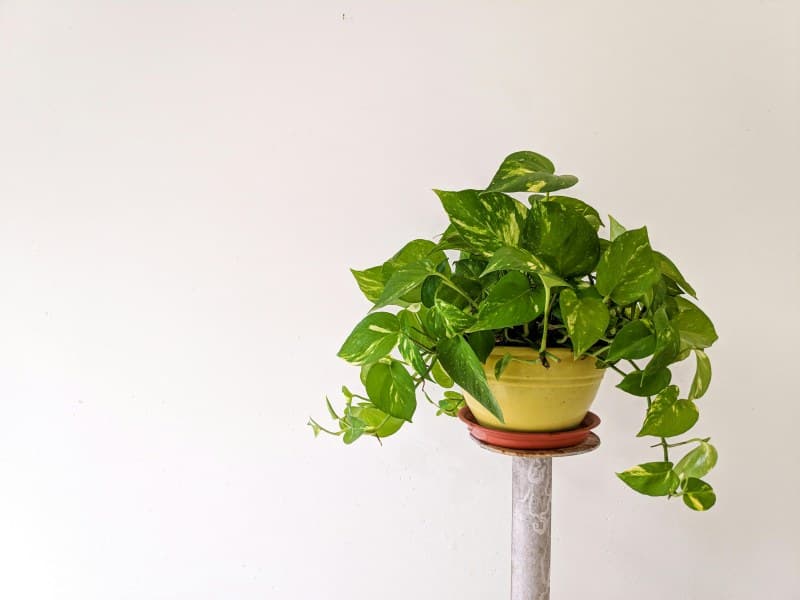
Last summer, I left my pothos with a friend who swore by daily watering. When I got back, the leaves were yellow, mushy, and falling off. Turns out, she’d been drowning it—one of the most common plant care mistakes. That experience made me realize how many myths float around about watering, so let’s set the record straight.
The Truth About Daily Watering
Most houseplants don’t need daily watering. The frequency depends on factors like plant type (succulents vs. ferns), pot size (small pots dry faster), humidity (dry air speeds evaporation), and light (bright light means more water use). For example, a snake plant might need water once every 2-3 weeks, while a fern in a dry room could need it every 2-3 days.
7 Common Watering Myths Debunked
Let’s break down the most persistent myths and their facts:
| Myth | Fact |
|---|---|
| Water every day to keep plants happy. | Only a few plants (like some tropicals) need frequent watering. Most prefer drying out between waterings. |
| Stick to a strict watering schedule. | Check soil moisture instead—stick your finger 1-2 inches deep. If it’s dry, water; if not, wait. |
| More water = healthier plant. | Overwatering is the #1 killer of houseplants. It leads to root rot, which starves the plant of oxygen. |
| Top watering is better than bottom. | Both work! Bottom watering is great for plants that hate wet leaves (succulents), while top watering helps flush out salts from the soil. |
| Tap water is bad for all plants. | Most plants tolerate tap water. Some (like orchids) prefer filtered, but it’s not a dealbreaker for most common houseplants. |
| Drooping leaves mean the plant needs water. | Drooping can signal overwatering too. Always check the soil first before reaching for the watering can. |
| Watering in the afternoon is harmful. | Time matters less than avoiding direct sun. Water in the morning or evening to prevent leaf burn from sun hitting wet leaves. |
A Lesson in Patience
“Nature does not hurry, yet everything is accomplished.” — Lao Tzu
This quote sums up plant care perfectly. Rushing to water daily disrupts your plant’s natural rhythm. My friend Mia learned this the hard way: she watered her snake plant every 3 days, thinking more was better. The leaves turned soft and yellow. She stopped watering for 2 weeks, let the soil dry out, and the plant bounced back. Now she checks the soil every 10 days and only waters when it’s dry.
FAQ: How Do I Fix Overwatering?
Q: I think I overwatered my plant—what should I do?
A: First, stop watering immediately. If the soil is soaked, remove the plant from its pot and gently shake off excess soil. Trim any mushy, brown roots (they’re rotten). Repot the plant in fresh, well-draining soil. Place it in a spot with indirect light and wait for it to recover. For mild cases, just let the soil dry out completely before watering again.
Final Tips for Happy Plants
1. Use pots with drainage holes to prevent water from sitting at the bottom.
2. Group plants together to increase humidity (good for tropicals).
3. Use room-temperature water—cold water can shock roots.
4. For succulents, water deeply but infrequently (let the soil dry out fully between waterings).
Remember: Every plant is different. Take time to learn your plant’s needs, and you’ll have a thriving indoor garden in no time.