Last week, I finished a big family dinner at 9 PM, exhausted. The sink was piled high with pasta plates, gravy-covered bowls, and a few sticky utensils. My mom’s voice echoed in my head: “Wash them now, or they’ll get impossible to clean!” But I was too tired to stand at the sink, so I left them until morning. Surprise—they weren’t that bad! A quick soak and a scrub, and they were done in 10 minutes. That got me wondering: is the “wash immediately” rule really true?
The Truth About Washing Dishes Right After Eating
The short answer? It depends. For foods like egg yolk, milk-based sauces, or dried cereal, letting them sit can make cleaning harder—these substances bond to surfaces over time. But for most other dishes (like plain pasta plates, bread bowls, or vegetable scrap plates), a few hours (or even overnight) won’t ruin them. The key is to soak stubborn dishes in warm water with a drop of soap if you can’t wash them right away—this breaks down food residue without extra scrubbing.
6 Common Dishwashing Myths Debunked
Let’s clear up the most persistent myths about washing dishes. Here’s a quick comparison of what people think vs. what’s actually true:
| Myth | Truth | Why It Matters |
|---|---|---|
| Hot water is the only way to get dishes clean. | Warm water works just as well—hot water can even set some stains (like egg or blood). | Saves energy and prevents stubborn stains from sticking. |
| More soap = cleaner dishes. | Too much soap creates excess bubbles that are hard to rinse, leaving residue. | Uses less soap and cuts down on rinse time. |
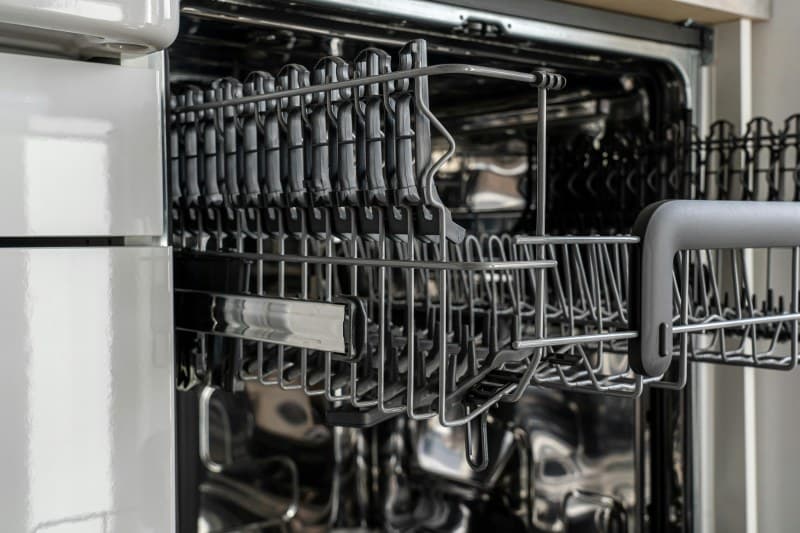
| Hand washing is better than a dishwasher for all dishes. | Dishwashers use less water and energy than hand washing (if you run a full load). | Saves time and resources. |
| Scrub non-stick pans hard to remove food. | Hard scrubbing damages the non-stick coating—use a soft sponge or brush instead. | Extends the life of your non-stick cookware. |
| Paper towels are better than dishcloths for drying. | Dishcloths are reusable and absorb more water—just wash them regularly to avoid bacteria. | Reduces waste and saves money. |
| All dish soaps are the same. | Some soaps are better for grease, others for sensitive skin—look for labels like “grease-cutting” or “hypoallergenic.” | Gets better results without irritation. |
“Haste makes waste.” – Proverb
This old saying applies perfectly to dishwashing. Rushing to wash dishes immediately (when you don’t have to) can lead to half-hearted cleaning—you might miss spots or leave soap residue. Taking a few minutes to soak stubborn dishes or wait until you have a full load (for the dishwasher) saves time and effort in the long run.
Practical Dishwashing Hacks to Save Time
Here are a few simple tricks I’ve learned to make dishwashing less of a chore:
- 💡 Soak first, scrub later: Fill the sink with warm water and a drop of soap before dinner. As you finish eating, place dishes in the sink—by the time you’re ready to wash, food residue will be soft.
- 💡 Use vinegar for water spots: Add a splash of white vinegar to the rinse water to prevent water spots on glassware.
- 💡 Sort dishes as you go: Place dirty dishes in separate piles (plates, utensils, pots) to make washing faster.
FAQ: Common Dishwashing Questions
Q: Can I leave dishes with raw meat residue overnight?
A: No—raw meat contains bacteria like salmonella that multiply quickly at room temperature. Soak these dishes in cold water (hot water can set the protein) right away, or wash them immediately to avoid cross-contamination.
Q: Is it okay to wash wooden cutting boards in the dishwasher?
A: No—dishwashers use high heat and water pressure that can warp or crack wooden boards. Hand wash them with warm water and soap, then dry them upright to prevent mold.
Final Thoughts
Dishwashing doesn’t have to be a dreaded chore. By debunking these myths and using simple hacks, you can save time and get cleaner dishes without extra effort. Remember: the goal is to work smarter, not harder—so next time you’re tired after dinner, don’t feel guilty about leaving the dishes for a little while (as long as they don’t have raw meat or sticky dairy!).