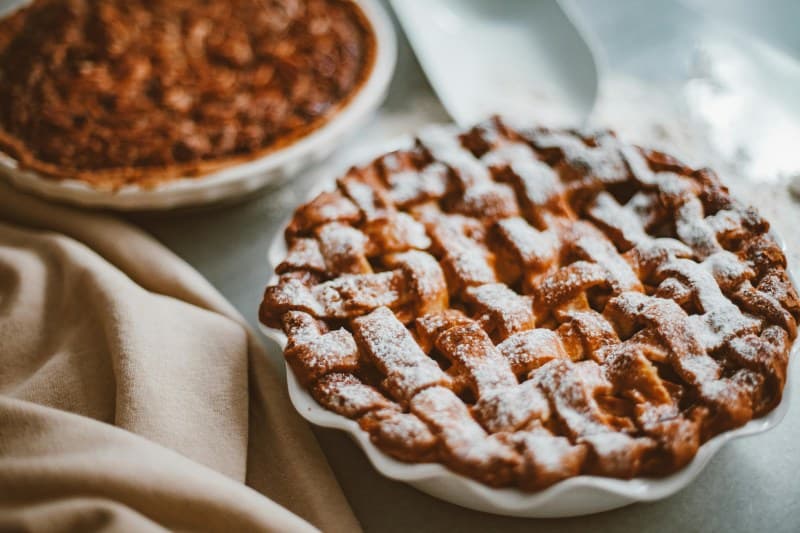
Last month, my friend Lila spent an hour rolling out a butter-based pie crust, only to have it crack into a million pieces when she tried to transfer it to the pan. She sighed and said, “I guess I just can’t make a good crust—maybe I need to buy pre-made.” But the problem wasn’t her skill; it was her belief that butter was the only way to get a flaky crust. Let’s break that down.
The Truth About Butter and Flaky Crusts
Butter is beloved for its rich, nutty flavor, and it does create flaky layers—when the butter melts in the oven, it releases steam that separates the dough layers. But it’s not the only fat that does this. Shortening and lard have their own superpowers for flaky crusts, too.
Comparison of Pie Crust Fats
Not sure which fat to pick? Here’s a quick breakdown:
| Fat Type | Flakiness Level | Flavor Profile | Ease of Handling | Best For |
|---|---|---|---|---|
| Butter | Medium-High | Rich, creamy, nutty | Harder (melts fast at room temp) | Fruit pies, sweet tarts |
| Shortening | High | Mild, neutral | Easier (stable at room temp) | Savory pies, blind-baked crusts |
| Lard | Very High | Savory, slightly porky | Medium (soft but not runny) | Traditional savory pies, hand pies |
Debunking 2 Common Pie Crust Myths
Myth 1: Butter is the only way to get a flaky crust
False! Shortening has a higher melting point than butter, so it stays solid longer in the oven. This means the steam from the melting fat has more time to create distinct, flaky layers. Lard, too, is great for flakiness—its texture helps the dough hold layers without breaking.
Myth 2: You have to keep the fat frozen solid
Sort of false. Cold fat is essential, but frozen fat can be too hard to cut into the flour, leading to uneven chunks. Chilled fat (kept in the fridge for 30 minutes) is ideal—it’s firm enough to create layers but easy to mix into the dough.
“The only real stumbling block is fear of failure. In cooking, you’ve got to have a what-the-hell attitude.” — Julia Child
This quote sums up pie crust making perfectly. Don’t be afraid to experiment with different fats. Lila tried a mix of butter and shortening the next week, and her crust turned out flaky and intact—she even won a small pie contest at her church!
FAQ: Common Pie Crust Question
Q: Can I use a mix of butter and shortening for my pie crust?
A: Absolutely! This blend is a favorite among bakers. It combines butter’s delicious flavor with shortening’s flakiness and ease of handling. Try a 50-50 mix for the best of both worlds.
Next time you’re making a pie, don’t limit yourself to butter. Give shortening or lard a try—you might be surprised by how flaky and delicious your crust turns out.