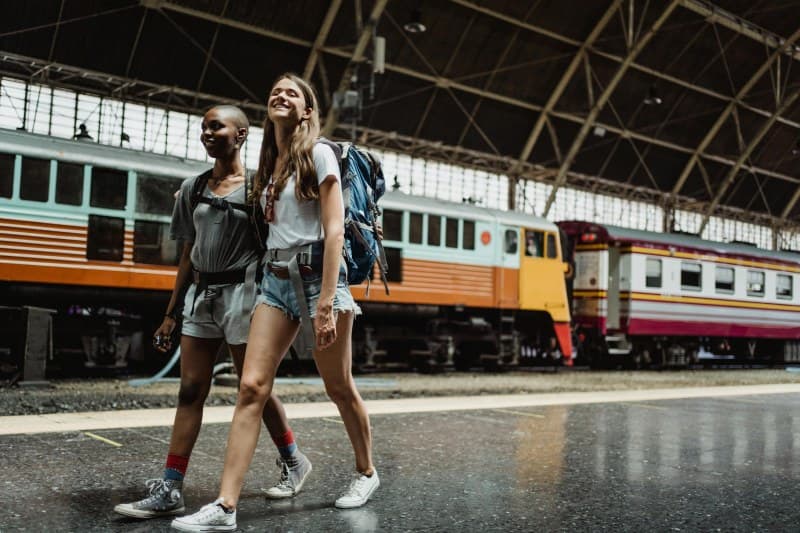
My friend Lila was planning her first solo trip to Lisbon. She spent weeks scrolling hotel websites, dismissing hostels and homestays out of hand. “They’re just not safe,” she told me. But after a trusted friend convinced her to book a highly rated hostel, she came back raving: the staff was 24/7, lockers were secure, and she made lifelong friends. Her experience got me thinking—why do so many travelers believe hotels are the only safe choice?
The Truth About Hotel vs. Non-Hotel Safety
Hotels are great, but they’re not the only safe option. Let’s break down 4 common myths that keep people from exploring other stays:
Myth 1: Hostels are always unsafe
Many travelers picture hostels as chaotic, unlocked spaces with no security. But today’s hostels often have keycard access, individual lockers (with padlocks available for rent), and staff on-site around the clock. Lila’s Lisbon hostel even had a curfew for non-guests and a security camera in the lobby. She never felt at risk—even when she left her laptop in her locker to explore the city.
Myth 2: Homestays mean you’re at the mercy of strangers
Homestays let you live with local families, but that doesn’t mean you’re unprotected. Platforms like Homestay.com and Airbnb vet hosts by checking IDs and requiring reviews. My cousin stayed with a family in Kyoto: they gave her a private room with a deadbolt, shared emergency contacts, and even walked her to the nearest train station her first night. She felt more secure than she would have in a hotel.
Myth 3: Airbnb rentals lack hotel-level security
Airbnb hosts often invest in safety features to compete with hotels. Many use smart locks (so you don’t need a physical key), security cameras in common areas (with clear disclosures), and 24/7 support lines. A friend of mine rented an Airbnb in Mexico City: the host left a first-aid kit and a list of local emergency numbers, plus a lockbox for the key. She never had a problem.
Myth 4: Non-hotel stays don’t offer emergency help
Most non-hotel platforms have dedicated customer service teams. If your hostel has a broken lock, or your Airbnb has a plumbing issue, you can call or message support anytime. For example, when my sister’s hostel in Bangkok lost power at 2 a.m., the staff fixed it within 30 minutes—and offered free coffee to guests while they waited.
Safety Features: Hotel vs. Non-Hotel Stays
Let’s compare the safety features of four common accommodation types:
| Accommodation Type | 24/7 Staff | Secure Storage | Emergency Support | Guest Vetting |
|---|---|---|---|---|
| Hotel | Yes (most) | Room safes | Front desk/security | ID check on check-in |
| Hostel | Yes (many) | Lockers (often free) | On-site staff | ID check + booking verification |
| Homestay | No (usually) | Private room locks | Host + platform support | Host ID check + reviews |
| Airbnb | No (usually) | Room locks + lockboxes | Platform 24/7 support | Guest ID check + reviews |
A Classic Quote About Travel and Openness
“Travel is fatal to prejudice, bigotry, and narrow-mindedness.” — Mark Twain
Twain’s words ring true here. Prejudice against non-hotel stays can limit your travel experiences. By trying a hostel or homestay, you not only save money but also connect with locals and other travelers in ways hotels can’t offer.
FAQ: How to Choose a Safe Non-Hotel Stay
Q: What should I look for when booking a non-hotel accommodation?
A: Start with reviews—look for 4.5+ stars and recent comments about safety (e.g., “lockers were secure” or “host was responsive”). Check for secure features like keycards, lockers, or smart locks. Verify that the platform has a 24/7 support line. And always read the host’s profile to get a sense of their reliability.
At the end of the day, travel safety isn’t about the type of accommodation—it’s about being informed and making smart choices. Don’t let myths hold you back from trying something new. Your next favorite travel memory might be in a hostel, homestay, or Airbnb.