Last year, I wandered Tokyo’s Asakusa district, lost and craving matcha. I didn’t speak a word of Japanese, but a grandmother noticed me squinting at a map. She pointed to a tiny alley, mimed stirring a cup, and led me to a hidden tea house where we communicated with smiles, hand gestures, and a shared love of sweet matcha parfaits. That day, I learned something: language isn’t the only bridge to locals.
The Big Myth: Do You Need Local Language to Connect?
Many travelers assume fluent local language is non-negotiable for meaningful interactions. But the truth is, curiosity and respect often speak louder than words. Even basic phrases (hello, thank you) can open doors, but you don’t need to hold a full conversation to bond with someone.
4 Myths About Connecting With Locals Debunked
Myth 1: You need fluent local language
You don’t need to rattle off sentences in the local tongue. In Mexico, I once asked for directions to a taco stand using broken Spanish and hand gestures. The vendor not only pointed the way but invited me to join his family for a meal—we laughed over our shared love of spicy salsa, no fluent conversation needed.
Myth 2: Locals don’t want to talk to tourists
Most locals are proud of their culture and happy to share it. In Paris, a baker noticed I was struggling to choose a croissant. He offered me a sample of his favorite almond croissant and told me about his family’s bakery, which had been open for 30 years. All I did was ask, “Which one is your favorite?”
Myth 3: Only formal interactions count
Spontaneous, casual moments often lead to the best connections. In Bali, I joined a group of locals for a beach cleanup. We didn’t talk much, but working side by side, sharing water, and laughing at our sandy hands created a bond that felt more real than any planned tour.
Myth 4: You have to plan interactions in advance
Some of my best local connections happened by accident. In Lisbon, I got caught in a rainstorm and took shelter in a small bookstore. The owner, a retired teacher, showed me his favorite poetry books and told me stories about growing up in the city—no planning, just a shared moment of shelter.
Practical Ways to Connect Without Fluent Language
Here are 4 easy methods to connect with locals, even if you don’t speak their language:
| Method | Pros | Cons |
|---|---|---|
| Gestures & Body Language | Universal, no tools needed, builds rapport fast | Can lead to misinterpretation (e.g., a thumbs-up means different things in some countries) |
| Shared Activities (cooking, hiking) | Natural bonding over a common task, no pressure to talk | May require joining a group or booking a small tour |
| Local Markets & Food Stalls | Low-pressure, shared interest in food, easy to start a conversation | Crowded at peak times, may be hard to get attention |
| Translation Apps (Google Translate) | Accurate for key phrases, helps avoid misunderstandings | Dependent on internet, can feel less personal |
FAQ: Common Questions About Connecting With Locals
Q: I’m shy—how do I start a conversation with a local without feeling awkward?
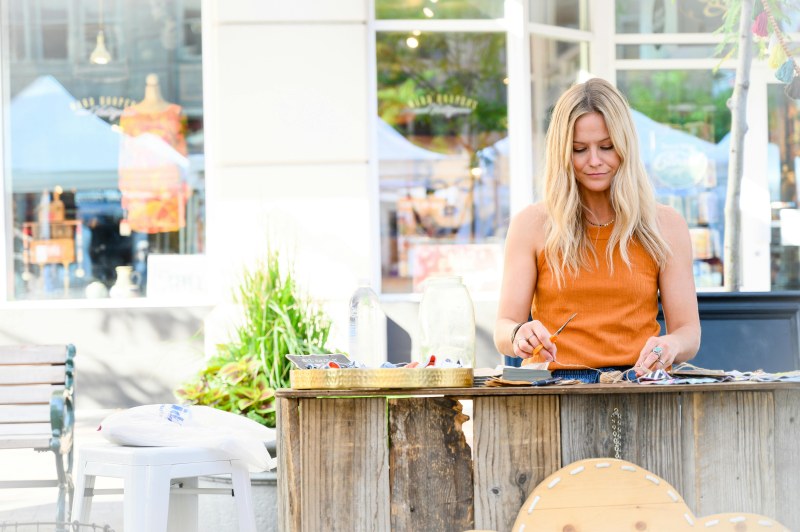
A: Start small. Ask a simple question about their work (e.g., pointing to a craft they’re making) or a local dish. Smile and use open body language (uncrossed arms, eye contact). Most locals appreciate genuine curiosity, even if you stumble through words.
The world is a book, and those who do not travel read only one page. — St. Augustine
This quote reminds us that travel is about more than seeing sights—it’s about meeting people. Connecting with locals turns a trip into a story you’ll carry forever. Next time you travel, don’t let language hold you back—smile, ask a question, and see where the conversation takes you (even if it’s just through gestures).