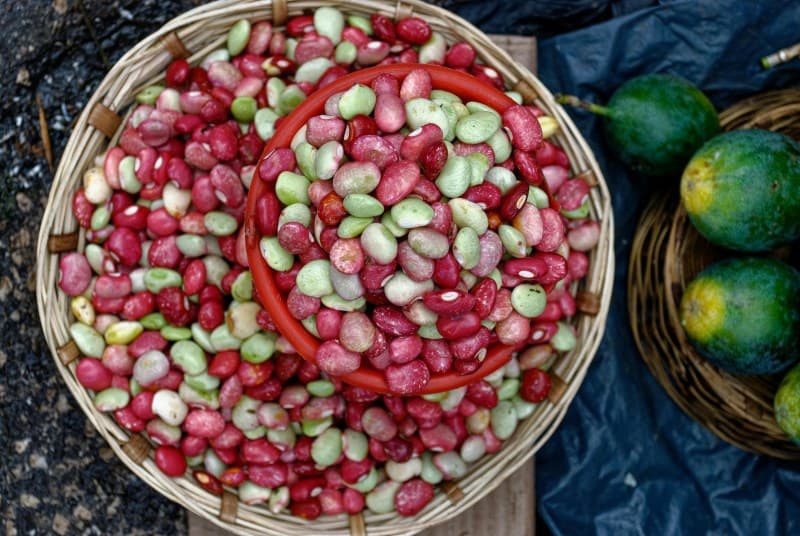
That Panic When You Forget to Soak Beans
Last month, I planned to make my famous black bean chili for a game night. I grabbed the dried beans from the pantry, then froze—oh no, I forgot to soak them overnight! I almost ran to the store for canned beans, but then I remembered a trick my grandma taught me: the quick soak. Turns out, soaking beans isn’t always mandatory. Let’s break down the truth about bean prep and debunk some common myths.
The Truth About Soaking Beans
Soaking beans does two main things: it cuts down cooking time (by up to 50%) and reduces the oligosaccharides—those complex sugars that cause gas. But here’s the thing: you don’t have to soak them. If you’re short on time, a quick soak (boil for 2 minutes, then let sit for 1 hour) works almost as well. And if you have extra time, skipping the soak is fine too—just plan for longer cooking.
Soaking Methods Compared
Here’s how the three main bean-soaking methods stack up:
| Method | Time | Pros | Cons |
|---|---|---|---|
| Overnight Soak | 8-12 hours | Longest gas reduction; shortest cooking time | Requires advance planning |
| Quick Soak | 1 hour 2 mins | Fast for last-minute meals | Less gas reduction than overnight |
| No Soak | 0 mins prep | No planning needed | Longest cooking time (45-90 mins); more gas |
5 Common Bean-Cooking Myths Debunked
Myth 1: You Must Soak Beans to Avoid Gas
False! While soaking helps, you can add a piece of kombu (seaweed) to cooking water or rinse canned beans thoroughly to reduce gas. I once made lentil soup without soaking and added kombu—no one complained about gas later.
Myth 2: Canned Beans Are Less Nutritious Than Dried
Not really. Canned beans lose a small amount of water-soluble vitamins (like B vitamins) but are still packed with fiber and protein. Plus, they’re a lifesaver when you’re in a hurry. Just rinse them to cut sodium.
Myth 3: All Beans Take the Same Time to Cook
False! Lentils cook in 20-30 mins (no soak needed), while chickpeas take 1-2 hours (even with soaking). Black beans fall in the middle—about 45 mins with a quick soak. Always check package instructions.
Myth 4: Adding Salt to Water Makes Beans Tough
Old wives’ tale! Salt seasons beans from the inside out. I tested this: two kidney bean batches—one with salt, one without. The salted batch was tender and flavorful; the unsalted was bland and mushy.
Myth 5: You Can’t Freeze Cooked Beans
Absolutely false! Cooked beans freeze perfectly. I make big batches of black beans and freeze in 1-cup portions for quick salads or tacos. Thaw in the fridge or microwave.
A Classic Tip for Bean Lovers
“The only real stumbling block is fear of failure. In cooking, you've got to have a what-the-hell attitude.” — Julia Child
Julia’s words ring true for bean cooking. Don’t be afraid to experiment—skip the soak, add salt early, or freeze leftovers. Cooking beans should be flexible, not rigid.
FAQ: Your Bean Questions Answered
Q: Can I use baking soda to speed up bean cooking?
A: Yes! A pinch (1/4 tsp) breaks down the bean’s outer skin, reducing cooking time. But don’t overdo it—it can make beans taste soapy. I use this trick when short on time.
Final Tips for Perfect Beans
- Always rinse dried beans to remove dirt.
- Never add acidic ingredients (tomatoes, vinegar) until beans are tender—acid slows cooking.
- Cook beans with onion, garlic, or herbs for extra flavor.
Next time you forget to soak beans, don’t panic. Use the quick soak method or skip it entirely. Beans are forgiving—just like good cooking should be.