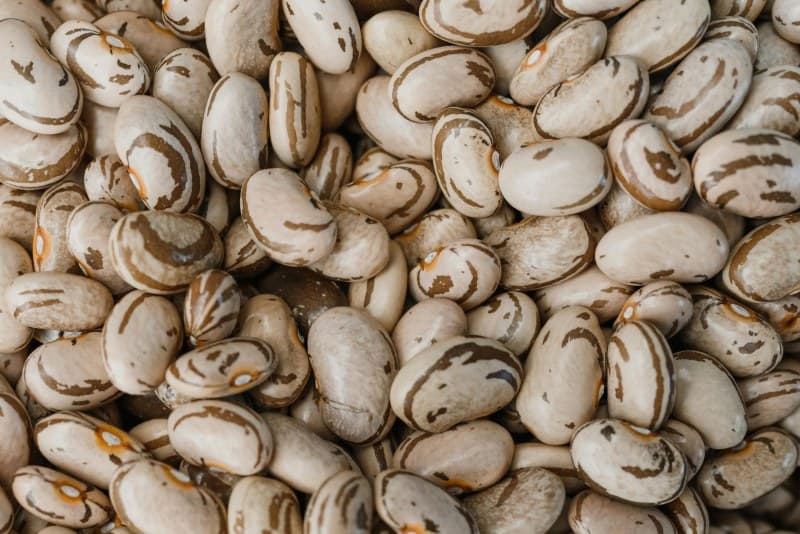
Last week, I planned to make chili for dinner but realized I’d forgotten to soak the kidney beans overnight. Panicked, I thought I’d have to switch to takeout—until a friend told me I could skip the soak. That got me wondering: Is the overnight soak really non-negotiable? Let’s dive in.
The Truth About Overnight Bean Soaking
Soaking beans overnight is a common tip, but it’s not mandatory. It does two main things: cuts cooking time by 30-50% and makes beans easier to digest (by breaking down some anti-nutrients like phytic acid). But if you’re short on time, there’s a workaround.
Let’s compare soaked vs unsoaked beans to see the differences:
| Aspect | Soaked Beans (8-12 hours) | Unsoaked Beans |
|---|---|---|
| Cooking Time | 45-60 mins (varies by bean type) | 60-90 mins |
| Digestibility | Easier (less gas) | Slightly harder (more gas for some) |
| Texture | Consistently tender | Can be tender if cooked properly |
| Convenience | Requires advance planning | Immediate cooking possible |
2 Key Myths Debunked
Myth 1: Soaking removes all anti-nutrients
Many people think soaking beans gets rid of all phytic acid and lectins (anti-nutrients that can interfere with nutrient absorption). But the truth is: Soaking reduces these compounds, but it doesn’t eliminate them entirely. Even unsoaked beans, when cooked thoroughly, break down most of these anti-nutrients. So don’t skip cooking just because you didn’t soak!
Myth 2: Unsoaked beans are always tough
This is a big one. If you cook unsoaked beans with enough water and at the right temperature (simmer, not boil), they will get tender. The quick soak method—boiling beans for 10 minutes then letting them sit for an hour—works almost as well as overnight soaking. I tried this with black beans last night: They were tender in 60 minutes, no overnight wait.
"Cooking is an art, but it’s also a science—you can follow rules, but you can also bend them when needed." — Julia Child
Julia Child’s words ring true here. Bean soaking is a guideline, not a strict rule. Bending it (like using the quick soak) still gives you delicious, nutritious beans.
Quick Q&A
Q: Can I soak beans for more than 12 hours?
A: It’s not recommended. Over-soaking (more than 12-14 hours) can make beans mushy or even start fermentation. If you forget to drain them, toss them and use fresh beans to avoid food safety issues.
Pro Tips for Cooking Beans Without Soaking
- Quick Soak Method: Boil beans in a pot of water (3 cups water per 1 cup beans) for 10 minutes. Turn off heat, cover, and let sit for 1 hour. Drain and cook as usual.
- Simmer, Don’t Boil: Boiling can make beans tough. Keep the heat low so the water is gently bubbling.
- Add Salt Later: Adding salt at the start can make beans tough. Wait until the last 15 minutes of cooking to add salt.
So next time you forget to soak your beans, don’t stress. Whether you use the quick soak or cook them straight away, you can still get delicious, tender beans. Remember: Cooking is about flexibility, not perfection.