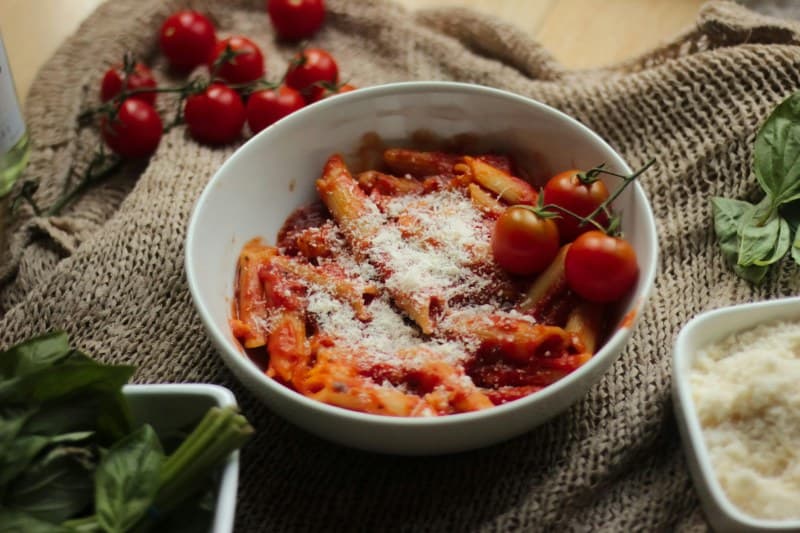
Last Sunday, I watched my grandma and mom bicker over a pot of boiling water for pasta. Grandma insisted on salting it before the water even simmered; mom swore it had to wait until the bubbles were rolling. I stood there, stirring the pot, wondering who was right. Turns out, both had pieces of the puzzle—but the real truth is simpler than either thought.
The Truth About Salting Pasta Water
Let’s start with the big question: when should you salt pasta water? The common myth says you have to wait until it boils to avoid “scorching” the salt or raising the boiling point too much. But here’s the science: salt dissolves faster in hot water, but adding it before boiling doesn’t hurt. The tiny increase in boiling point (less than 1°F) won’t make a noticeable difference in cooking time. The real reason to salt early? It gives the salt more time to distribute evenly, ensuring every strand of pasta gets seasoned from the inside out. Aim for about 1-2 tablespoons of salt per 4 quarts of water—enough to make it taste like seawater.
2 Common Pasta Myths Debunked
Myth 1: You need a huge pot of water to cook pasta
Many people fill their pots to the brim, thinking more water prevents sticking. While it’s true that crowded pasta can clump, you don’t need an oversized pot. A 4-quart pot works perfectly for 1 pound of pasta—just stir it vigorously for the first 2-3 minutes after adding it to the water. This breaks up any clumps and coats each strand with a thin layer of starch, which actually helps prevent sticking later.
Myth 2: Rinsing pasta after cooking is always a mistake
Most recipes warn against rinsing pasta, saying it removes starch that helps sauce stick. That’s true for creamy or tomato-based sauces—you want that starch to help the sauce cling. But for cold pasta salads? Rinsing is a must! It stops the cooking process (so your salad doesn’t get mushy) and washes away excess starch, preventing clumping. Just make sure to rinse with cold water to cool the pasta quickly.
Myth vs. Truth: Pasta Cooking Breakdown
Here’s a quick comparison of the myths we’ve covered:
| Myth | Common Belief | The Truth |
|---|---|---|
| Salting after boiling | Salting early raises boiling point too much | Add salt early for even seasoning—boiling point change is negligible |
| Huge pot required | More water = no sticking | Medium pot works if you stir initially |
| Rinsing is bad | Rinsing removes sauce-friendly starch | Okay for cold salads, bad for warm sauces |
A Word from the Pros
“The only real stumbling block is fear of failure. In cooking, you’ve got to have a what-the-hell attitude.” — Julia Child
Julia’s words ring true here. Don’t let small myths stop you from experimenting. If you prefer salting after boiling, it’s not the end of the world—just make sure to add enough salt. The key is to understand the “why” behind each step, so you can adapt to your needs.
FAQ: Your Pasta Questions Answered
Q: How do I know if my pasta is al dente?
A: Take a piece 1-2 minutes before the package’s recommended time. It should be tender but have a slight bite in the center. If you cut it open, there should be a tiny white dot in the middle—this means it’s perfectly al dente.
Next time you cook pasta, try salting the water early and using a medium pot. You might be surprised at how much better your pasta tastes. And remember: cooking is about joy, not strict rules. So grab your pot, stir well, and enjoy every bite 🍝.