Last summer, my cousin brought a dozen farm-fresh eggs to our picnic. Half the group insisted we stash them in the cooler, while the other swore room temp was totally fine. Turns out, both were half right—depending on where the eggs came from. That friendly argument got me curious about all the egg myths floating around, so I dug into the facts.
The big question: Do eggs need refrigeration?
It all boils down to one key step: washing. In the U.S., eggs are washed to remove dirt and bacteria, but this also strips away the bloom—a natural protective coating that keeps air and microbes out. Without the bloom, eggs need to stay cold to prevent bacterial growth (like Salmonella). In Europe, eggs aren’t washed, so the bloom stays intact, and they can safely sit on the counter for up to two weeks.
Here’s a quick comparison of U.S. vs. EU egg practices:
| Aspect | U.S. Eggs | EU Eggs |
|---|---|---|
| Washing | Yes (bloom removed) | No (bloom intact) |
| Refrigeration Need | Yes | No (room temp safe) |
| Room Temp Shelf Life | Not recommended | Up to 2 weeks |
| Fridge Shelf Life | Up to 5 weeks | Up to 3 weeks |
5 common egg myths debunked
Myth 1: Raw eggs are always unsafe to eat
Raw eggs can carry Salmonella, but pasteurized eggs are a game-changer. These eggs are heated to a low temperature to kill bacteria without cooking the egg. They’re perfect for homemade mayo, tiramisu, or smoothies—no risk involved.
Myth 2: Brown eggs are healthier than white eggs
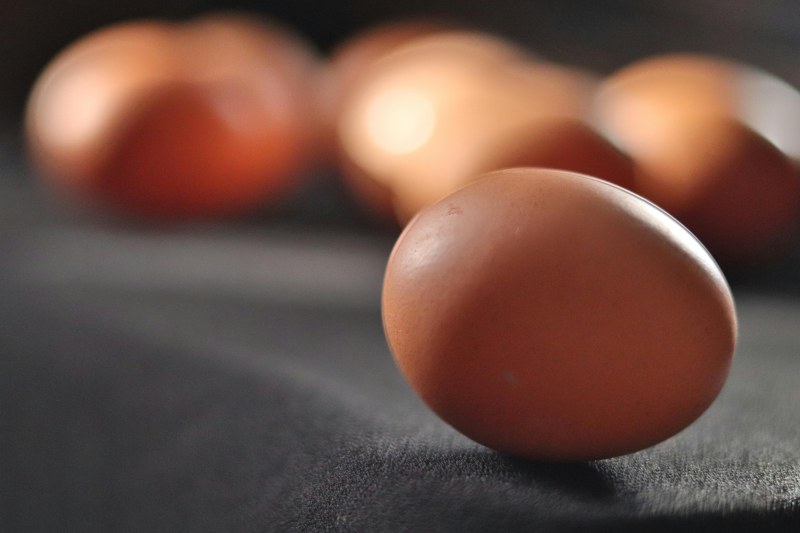
The color of the eggshell depends on the breed of the chicken. A Rhode Island Red lays brown eggs; a Leghorn lays white. Nutritionally, they’re almost identical—same protein, vitamins, and minerals.
Myth 3: Eggs past the expiration date are bad
Expiration dates (or sell-by dates) are guidelines, not hard rules. To check freshness, drop the egg in a bowl of water: if it sinks and lies flat, it’s fresh. If it stands upright or floats, it’s old (air has seeped in). Even floating eggs are safe to eat if cooked thoroughly—just not ideal for poaching or frying.
Myth 4: Eggshells are dirty, so you should wash them
Washing eggs (especially unwashed ones) removes the bloom, making them more prone to bacteria. If your eggs are dirty, just wipe them with a dry cloth—don’t use water.
Myth 5: Hard-boiled eggs last forever in the fridge
Hard-boiled eggs are delicious, but they don’t stay fresh forever. Store them in the fridge (in their shells) for up to one week. Peeled eggs should be eaten within a day or two.
“The egg is one of the most complete and versatile foods on the planet.” – Julia Child
Julia Child was right—eggs are amazing. But knowing the truth about them helps us use them safely and avoid wasting food. For example, my neighbor used to throw away eggs the day after the sell-by date until I showed her the float test. Now she saves dozens of eggs a year!
FAQ: Common egg questions
Q: Can I freeze eggs?
A: Yes! Crack them into a container, whisk gently, and freeze for up to six months. They’re great for baking—just thaw in the fridge before use.
Q: Are organic eggs better?
A: Organic eggs come from chickens that eat organic feed and have access to the outdoors. They may have slightly higher omega-3 fatty acids, but the difference is small. Choose organic if it fits your budget, but regular eggs are still nutritious.
Final tips for egg success
Whether you refrigerate your eggs or not, always handle them with clean hands. Store them in their original carton (it protects against odors and light) and avoid placing them on the fridge door (temperature fluctuates there). And remember—when in doubt, cook eggs thoroughly to kill any bacteria.