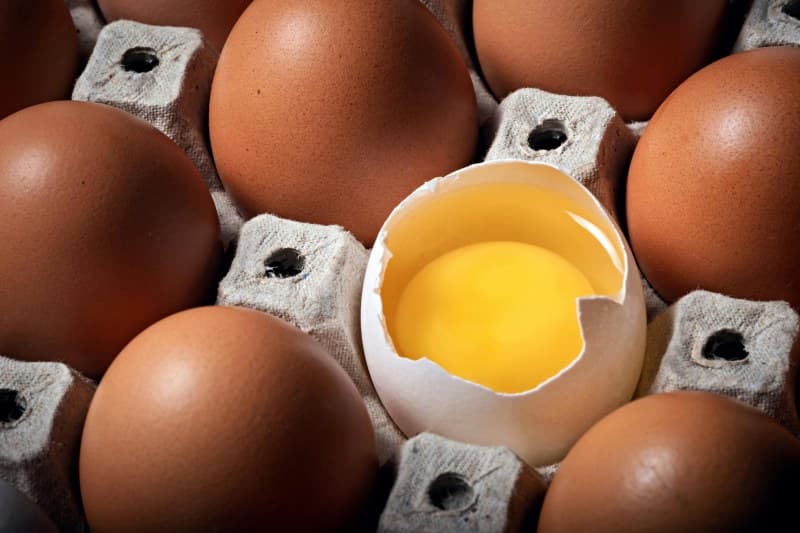
Last weekend, I visited a friend in Paris. She pulled a carton of eggs from her pantry, not the fridge, to make crêpes. I almost stopped her—growing up in the U.S., I’d always been told eggs must stay cold. But she laughed and said, “They’re perfectly safe here!” That moment made me curious: is refrigeration really non-negotiable for eggs?
The Truth About Egg Refrigeration
The answer depends on where you live. In the U.S., Canada, and Australia, eggs are washed to remove dirt and bacteria. This process strips away the egg’s natural protective coating (called the bloom), which keeps bacteria out. Without the bloom, refrigeration is necessary to prevent salmonella growth.
In Europe, Japan, and many Asian countries, eggs aren’t washed. The bloom stays intact, so they can safely sit at room temperature for weeks. It’s all about preserving that natural barrier.
Refrigerated vs. Room Temperature Eggs: A Quick Comparison
Here’s how the two storage methods stack up:
| Aspect | Refrigerated (US-Style) | Room Temperature (EU-Style) |
|---|---|---|
| Shelf Life | 3–5 weeks | 2–3 weeks |
| Safety | Requires cold to prevent bacterial growth (no bloom) | Natural bloom protects against bacteria |
| Taste | No noticeable difference | Some bakers claim richer flavor (due to stable temperature) |
| Common Region | US, Canada, Australia | EU, Japan, India |
4 Common Egg Storage Myths Debunked
Myth 1: Room temperature eggs will make you sick
Only if they lack the bloom. For US-style washed eggs, yes—leaving them out can let bacteria multiply. But EU-style unwashed eggs are safe at room temp for up to 3 weeks.
Myth 2: Refrigerated eggs can’t be used for baking
False! Cold eggs mix less smoothly with butter or sugar, but you can fix this by letting them sit at room temp for 30 minutes. No need to skip refrigeration.
Myth 3: You can’t freeze eggs
You absolutely can! Crack eggs into a container, whisk them, and freeze. Add a pinch of salt (for savory dishes) or sugar (for sweet) to preserve texture. They’ll last up to 6 months.
Myth 4: Egg expiration dates are strict
Expiration dates are guidelines. Eggs stored properly (in the fridge for US-style) can be safe 3–5 weeks past the date. To check freshness: drop an egg in water—if it sinks, it’s fresh; if it floats, it’s old.
A Classic Take on Fresh Ingredients
“You don’t have to cook fancy or complicated masterpieces—just good food from fresh ingredients.” — Julia Child
Julia Child’s words ring true here. Storing eggs correctly ensures they stay fresh, so your dishes (from scrambled eggs to cakes) taste their best. Whether you refrigerate or not, the key is to follow your region’s guidelines.
FAQ: Common Egg Storage Question
Q: Can I leave refrigerated eggs out on the counter for a few hours?
A: Yes—if you’re using them the same day. But don’t put them back in the fridge. Temperature fluctuations (cold to warm to cold) can promote bacterial growth.
Practical Egg Storage Tips
- For US-style eggs: Keep them in their original carton (it blocks odors from other foods) in the main fridge (not the door—temp changes there are frequent).
- For EU-style eggs: Store in a cool, dry place (like a pantry) away from direct sunlight.
- Freezing eggs: Use ice cube trays for portion control—one cube = one egg.
Next time you see eggs on the counter, don’t panic. Just remember: it’s all about the bloom and where you live. Happy cooking!