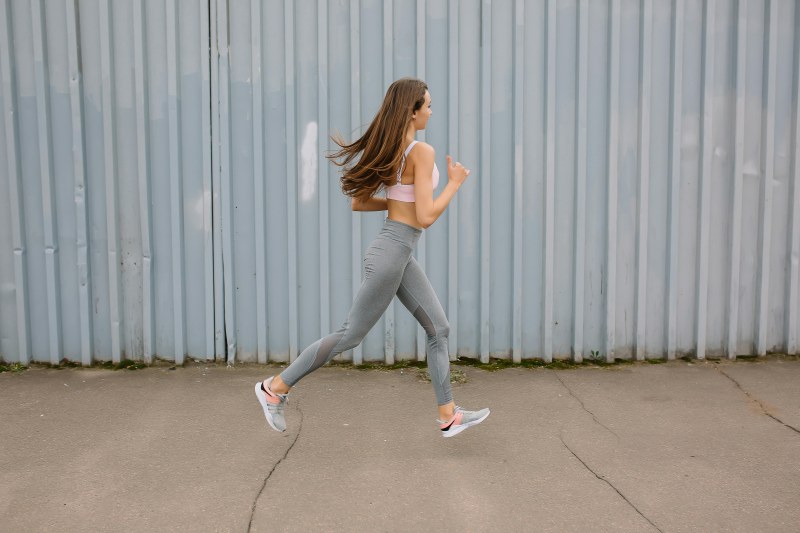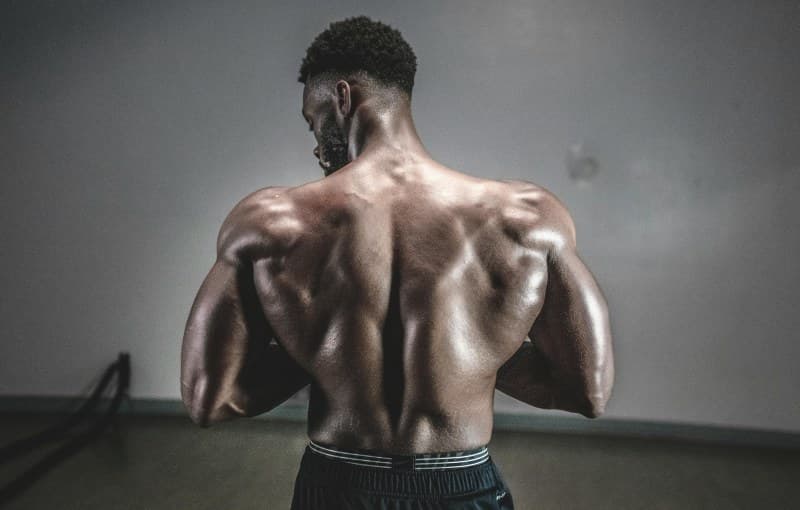
Last year, my friend Lila wanted to build muscle but avoided the gym like the plague. She’d peek through the windows, see people grunting under barbell squats, and think, “I’ll never lift that much.” So she stuck to jogging and yoga—yet months later, her arms and legs still felt soft. That’s when she realized she’d fallen for a common myth: that heavy weights are the only way to grow muscle.
The Truth About Heavy Weights and Muscle Growth
Here’s the real deal: Muscle growth (called hypertrophy) happens when your muscles are challenged beyond their current capacity. This is called progressive overload—and it doesn’t always mean lifting heavier. You can achieve it by doing more reps, slowing down movements, or adding complexity (like a one-legged squat instead of a regular one).
To help you see the options, here’s a quick comparison of different strength training approaches:
| Approach | Rep Range | Pros | Cons | Muscle Growth Potential |
|---|---|---|---|---|
| Heavy Low Reps | 4-6 | Builds raw strength fast | High risk of injury if form is off | Great for power, moderate for size |
| Moderate Medium Reps | 8-12 | Balances strength and size | Requires consistent progression | Optimal for most people |
| Light High Reps | 15+ | Low injury risk, improves endurance | Takes longer to feel challenged | Good for toning and endurance |
6 Common Strength Training Myths Debunked
Let’s bust some other myths that might be holding you back:
- Myth 1: You have to work out every day to see results.
Truth: Muscles grow during rest, not workouts. Aim for 3-4 days a week of strength training, with rest days in between. - Myth 2: Bodyweight exercises can’t build muscle.
Truth: Push-ups, squats, and planks can build muscle—just increase difficulty (e.g., elevate your feet for push-ups). - Myth 3: Women will get bulky from lifting weights.
Truth: Most women don’t have enough testosterone to bulk up like men. Lifting weights will tone your body, not make you “muscle-bound.” - Myth 4: Lifting weights makes you less flexible.
Truth: Proper form and dynamic stretching (like arm circles before lifting) can improve flexibility. - Myth 5: You need a gym membership to build muscle.
Truth: Resistance bands, water bottles, or even your own body weight are enough to start. - Myth 6: More reps = better results.
Truth: It’s about quality, not quantity. A set of 10 controlled reps is better than 20 sloppy ones.
“The best workout is the one you stick to.” — Unknown
This quote hits home because consistency beats lifting heavy if you can’t sustain it. Lila eventually started doing bodyweight squats and resistance band exercises at home. After 3 months, she noticed her legs were firmer and she could do 15 push-ups in a row—all without lifting a single heavy dumbbell.
FAQ: Your Burning Questions Answered
Q: Can I build muscle without any equipment?
A: Yes! Bodyweight exercises like lunges, planks, and burpees work. To progress, try variations: add a pause at the bottom of a push-up, or do one-legged squats. Even household items (like a chair for tricep dips) can help.
Q: How long does it take to see muscle growth?
A: Most people start seeing small changes in 4-6 weeks, like increased strength or firmer muscles. Significant growth takes 3-6 months of consistent training.
At the end of the day, strength training is about finding what works for you. Whether you lift heavy, use light weights, or stick to bodyweight, the key is to keep challenging yourself. So grab a resistance band, do a few squats, and remember—you don’t need to lift a ton to get strong.