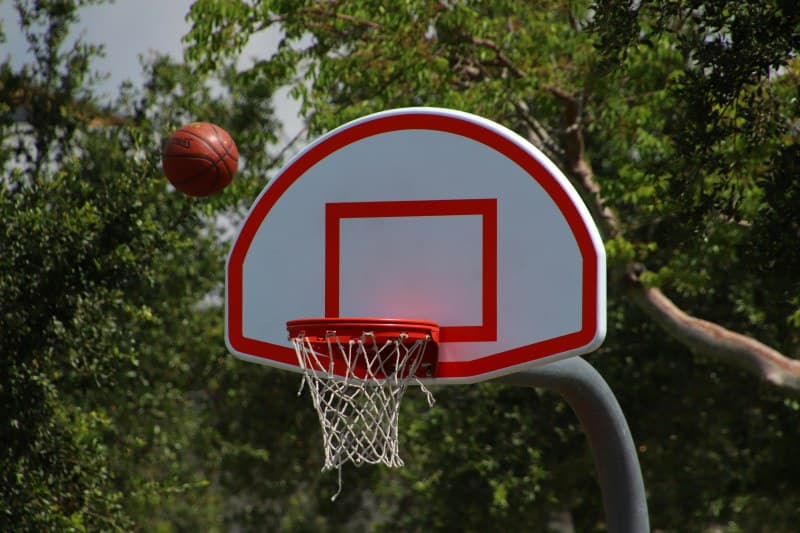
Jake was 12 years old, with a love for basketball that matched his obsession with pepperoni pizza. But every time he stepped onto the court, he heard the same comment: ‘You’re too short to play.’ He started skipping practices, convinced his 5’2” frame was a dead end. But what if the idea that height is a requirement for basketball is just a myth? Let’s break it down.
The Truth About Height and Basketball
Basketball isn’t just for giants. Think about Spud Webb, who won the NBA Slam Dunk Contest at 5’7”, or Muggsy Bogues, the shortest player in NBA history at 5’3”. These players thrived because they focused on their strengths—speed, agility, and court vision—instead of fixating on their height. Coaches often prioritize skill over size, especially in positions like point guard where quickness and decision-making matter more than how high you can reach.
Two Common Myths Debunked 🏀
Myth 1: Short players can’t be effective point guards
This is far from true. Short point guards have an edge in maneuvering through tight spaces and changing direction quickly. Take Chris Paul, who’s 6’0” (not extremely tall) and is one of the best point guards of all time. His ability to read the court and pass with precision makes him invaluable, regardless of his height.
Myth 2: Tall players always win rebounds
Rebounding isn’t just about height—it’s about positioning, timing, and hustle. A shorter player who anticipates where the ball will bounce and moves quickly can outrebound a taller player who’s not paying attention. For example, Draymond Green (6’6”) is a great rebounder because he uses his strength and positioning to outmuscle taller opponents.
Let’s compare the strengths of short vs tall players to see how they complement each other:
| Aspect | Short Players (Under 6’0”) | Tall Players (Over 6’5”) |
|---|---|---|
| Speed & Agility | Excellent—can change direction fast | Good, but may be slower |
| Ball Handling | Often superior (closer to the ground) | May need more practice |
| Rebounding | Strong if good at positioning | Natural advantage, but needs hustle |
| Shooting | Great 3-point shooters (harder to block) | Good inside shooters (close to basket) |
“It's not the size of the dog in the fight, but the size of the fight in the dog.” — Mark Twain
This quote perfectly sums up basketball. A player’s determination and skill often matter more than their height. Jake, the 12-year-old we mentioned earlier, started practicing his dribbling and 3-point shots every day. By the end of the season, he was the team’s top point guard, leading them to three wins with his quick passes and clutch shots. He proved that heart beats height.
FAQ: Your Basketball Height Questions Answered
Q: Can a short player make it to the NBA?
A: Yes! As we mentioned, Spud Webb and Muggsy Bogues both played in the NBA. While it’s harder, it’s not impossible. Focus on developing skills that set you apart—like speed, ball handling, and court vision. Many college and pro teams are looking for players who can contribute, regardless of their height.
Q: What should short players do to improve their game?
A: Work on your agility (try ladder drills), ball handling (practice dribbling with both hands), and 3-point shooting (since shorter players are harder to block from the perimeter). Also, learn to use your height to your advantage—like getting under taller players for rebounds or using your low center of gravity to stay balanced.
So, the next time someone tells you you’re too short to play basketball, remember Jake’s story and the legends like Spud Webb. Basketball is a game of skill, not just size. Whether you’re tall or short, the key is to play with heart and focus on your strengths. Now go hit the court! 🏀