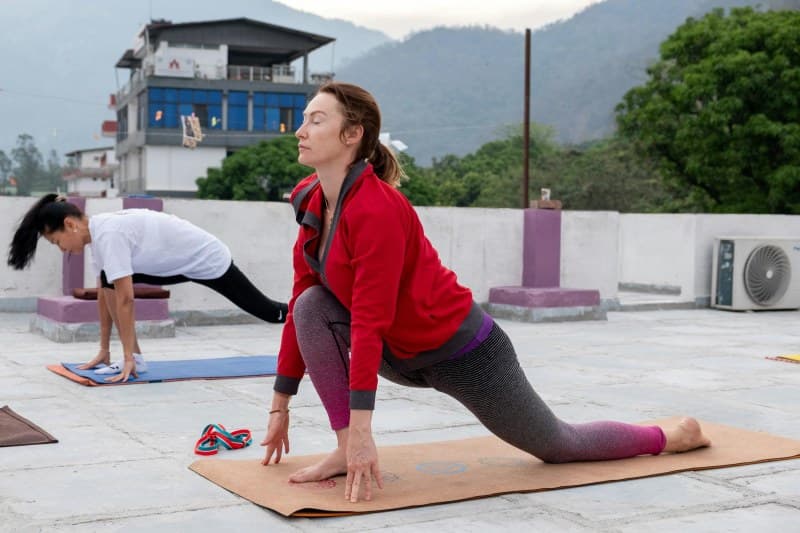
Last year, my friend Lila refused to join my yoga class. ‘I can’t even touch my toes,’ she said, ‘so yoga’s not for me.’ Sound familiar? Many people think yoga is only for bendy folks, but that’s just one of the myths holding beginners back.
The Truth About Flexibility and Yoga
Yoga isn’t about twisting into pretzels. It’s about connecting your body and mind. Flexibility comes with practice, not before it. Even seasoned yogis started somewhere—maybe with stiff shoulders or tight hamstrings.
Let’s break down 7 common yoga myths and their real truths:
| Myth | Truth |
|---|---|
| You need to be flexible to start yoga | Flexibility is a result of yoga, not a prerequisite. Beginners often see improvements in weeks. |
| Yoga is only for women | Yoga is for everyone—men, women, kids, seniors. Many professional athletes use yoga for strength and recovery. |
| Yoga is just stretching | It combines stretching, strength training, breathwork, and mindfulness. Poses like Plank build core strength! |
| You have to hold poses for long | Short holds (30–60 seconds) are effective for beginners. Focus on form over duration. |
| Yoga cures all injuries | It can aid recovery, but consult a doctor first. Never push through pain—modify poses instead. |
| You need expensive gear | A basic mat (or even a towel) is enough. Fancy clothes or blocks are optional. |
| Hot yoga is better for results | It’s a personal choice. Gentle styles like Hatha or Yin are just as beneficial for stress relief and flexibility. |
What Yoga Really Means
“Yoga is the journey of the self, through the self, to the self.” — The Bhagavad Gita
This quote reminds us yoga is more than physical movement. It’s about self-awareness. Lila finally tried a beginner Hatha class. She couldn’t touch her toes at first, but after a month, she noticed her hamstrings loosening. More importantly, she felt less stressed after each session.
Quick Q&A for Beginners
Q: Can I do yoga if I have back pain?
A: Yes! Stick to gentle poses like Child’s Pose or Cat-Cow. Avoid deep backbends, and let your instructor know about your pain so they can adjust poses for you.
Getting Started Tips
If you’re new, start with beginner-friendly classes (look for “Hatha” or “Yin”). Don’t compare yourself to others—yoga is a personal practice, not a competition. Even 10 minutes a day can make a difference.