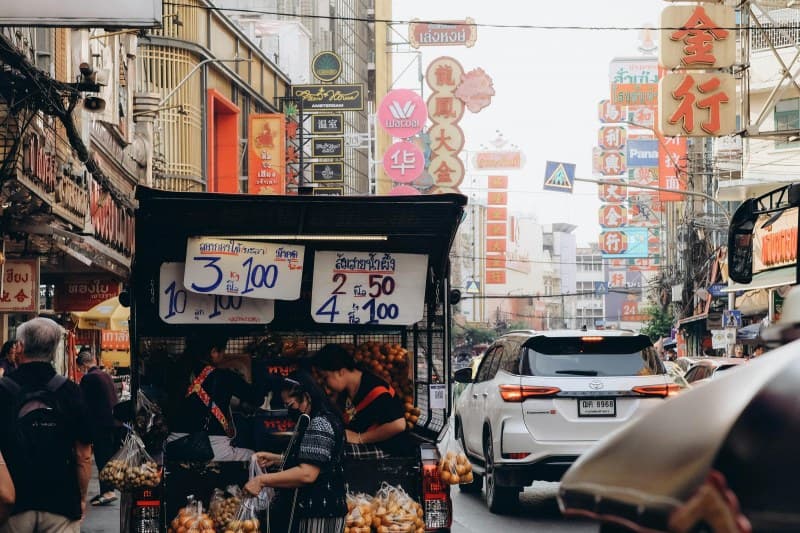
Last year, my friend Sarah visited Bangkok. She’d read online that street food was ‘dangerous,’ so she stuck to her hotel’s buffet every night. On her last day, she finally caved and tried a pad thai from a vendor with a line of locals. ‘It was the best meal I had all trip,’ she told me later, kicking herself for missing out. If you’ve ever hesitated to try street food, you’re not alone—there are so many myths floating around. Let’s set the record straight.
Is Street Food Really Unsafe? The Truth
The short answer: No. Street food is a staple in most countries, and millions of locals eat it daily without issues. The key is to know what to look for, not to avoid it entirely. Many street food vendors take pride in their craft—some have been making the same dish for generations.
7 Street Food Myths to Stop Believing
- Myth 1: All street food is unsafe.
Truth: Most vendors follow basic hygiene rules, especially those popular with locals. A long line of residents is a great sign—they know which spots are safe. - Myth 2: You need to speak the local language to order.
Truth: Pointing works wonders! Many vendors have pictures of their dishes, or you can show a photo from your phone. I once ordered a delicious taco in Mexico by just pointing at a nearby customer’s plate. - Myth 3: Hot food is always safe.
Truth: Hot food is safer if it’s kept hot (not sitting out for hours). Avoid dishes that look like they’ve been under a heat lamp for too long. - Myth 4: Street food is only for budget travelers.
Truth: Some street food is gourmet! In cities like Tokyo, you can find high-end street sushi or ramen that rivals restaurant quality. - Myth 5: Vegetarian options are hard to find.
Truth: Many cultures have vegetarian street food staples—think Indian samosas, Thai papaya salad, or Mexican elote (corn on the cob). Just ask (or point to veggies!). - Myth 6: You should avoid street food if you have a sensitive stomach.
Truth: Start small—try a small portion of a cooked dish first. Avoid raw ingredients and ice (unless you’re sure it’s made from purified water). - Myth 7: Street food vendors don’t care about hygiene.
Truth: Vendors rely on repeat customers, so they have a stake in keeping their food clean. Look for vendors who wear gloves, cover their food, and keep their stalls tidy.
To help you spot safe street food, here’s a quick comparison:
| Safe Street Food Signs | Red Flags to Avoid |
|---|---|
| Long lines of local people | Empty stalls (no locals) |
| Food cooked fresh to order | Food sitting out for hours |
| Vendor wears gloves or uses tongs | Vendor touches food with bare hands |
| Stall is clean and organized | Stall looks messy or dirty |
| Ice from a sealed container (or none) | Ice in an open bucket |
“Food is our common ground, a universal experience.” — James Beard
This quote rings true for street food. When you eat from a local vendor, you’re not just getting a meal—you’re experiencing a piece of their culture. It’s a way to connect with people without words, and to taste flavors that you can’t find in chain restaurants.
Quick Q&A: Your Street Food Questions Answered
Q: What if I have dietary restrictions (like gluten-free or nut allergies)?
A: Do your research before you go—many countries have gluten-free street food options (like rice-based dishes in Asia). For allergies, carry a translation card with your restrictions written in the local language. Most vendors are happy to help if they understand.
Q: How can I try street food without getting sick?
A: Follow these tips: Stick to vendors with local crowds, eat hot food right away, avoid raw veggies/fruits unless you peel them yourself, and use hand sanitizer before eating. Also, avoid drinking tap water—stick to bottled or purified water.
Street food is one of the best parts of travel. It’s affordable, delicious, and a window into local life. Next time you’re abroad, don’t let myths hold you back—take a chance on that street vendor with the long line. You might just find your new favorite dish.