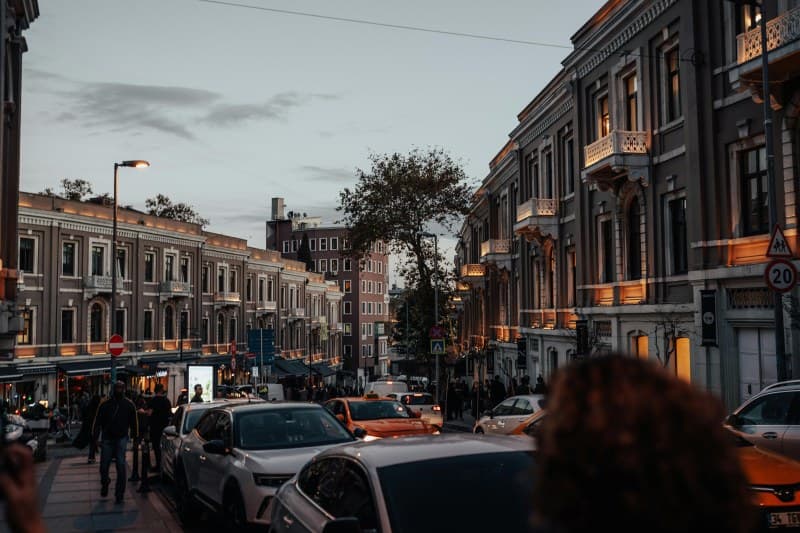
Last year, I stood in a Bangkok night market, staring at a cart of pad thai that smelled like garlic, lime, and wok-fired goodness. But a voice in my head whispered, ‘Street food is unsafe—you’ll get sick.’ I almost walked away… until a local grandma in a floral sarong gestured for me to sit. That pad thai was crispy, tangy, and the best meal of my trip. And guess what? I didn’t get so much as a stomachache. Turns out, my fear was rooted in myths, not real facts.
Is Street Food Really Unsafe? The Truth
Many travelers think street food is a guaranteed way to get food poisoning, but that’s far from the whole story. Most street vendors rely on repeat local customers to make a living—so they have a huge incentive to keep their food fresh and clean. High turnover means food doesn’t sit out for hours (unlike some restaurant buffets). In places like Mexico City or Marrakech, street food stalls are often inspected by local health authorities, just like restaurants.
4 Common Street Food Myths vs. Reality
Let’s break down four of the most persistent myths about street food:
| Myth | Reality |
|---|---|
| Street food stalls are always dirty. | Many stalls are cleaner than casual restaurants. Vendors often wash utensils between uses and keep their work areas tidy to attract locals. |
| Ice in drinks will make you sick. | Most street vendors use filtered ice (or buy it from trusted suppliers). Look for sealed bags of ice—this is a sign it’s safe. |
| Raw veggies are a no-go. | If veggies are washed in clean water (ask the vendor or watch them prepare food), they’re safe. Many stalls use pre-washed produce for salads or wraps. |
| Only eat at tourist-friendly stalls. | Stalls with long lines of locals are the best bet. Tourist-focused stalls might cut corners (since they don’t rely on repeat business). |
“Food is our common ground, a universal experience.” — James Beard
This quote hits home for travelers. Avoiding street food means missing out on a culture’s soul. When you eat a tamale from a cart in Oaxaca or a samosa from a Mumbai street vendor, you’re not just eating—you’re connecting with the people and traditions of the place.
Practical Tips to Pick Safe Stalls
- Follow the locals: If a stall has a steady stream of local customers, it’s probably safe.
- Check for cleanliness: Look for vendors who wash their hands, use gloves, or cover food to keep flies away.
- Choose hot food: Food that’s cooked fresh (like stir-fries or grilled meats) is less likely to harbor bacteria.
FAQ: How Do I Know If a Stall Is Safe?
Q: What’s the easiest way to tell if a street food stall is safe?
A: The simplest trick is to watch the vendor’s habits. If they’re using clean utensils, storing food at the right temperature (hot food kept hot, cold food cold), and have a lot of local customers, you’re in good shape. Also, trust your gut—if a stall looks unkempt or the food smells off, skip it.
Next time you’re traveling, don’t let myths hold you back. Street food is one of the best ways to experience a new place. Just follow these tips, and you’ll be savoring authentic, safe meals in no time.