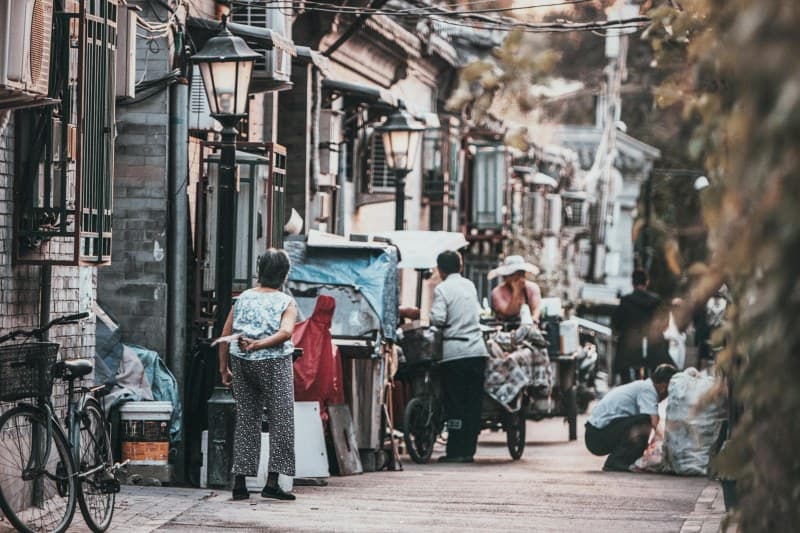
Last summer, I stood in a Bangkok alley, staring at a pad thai stall. My friend tugged my arm: “Don’t eat that—it’s unsanitary.” But the vendor was flipping noodles with a smile, and a line of locals snaked around the corner. I took a chance. That pad thai, with its crispy peanuts and tangy lime, was the best meal of my trip. Turns out, my friend’s fear was rooted in myths—not facts.
The Truth About Street Food Safety
Street food isn’t just a cheap meal; it’s a window into a culture. Many vendors rely on repeat customers, so they keep their stalls clean and their food fresh. In places like Thailand, Mexico, or India, street food is often cooked to order—meaning it’s hot, which kills harmful bacteria. And yes, some vendors even use filtered water for ice or washing veggies.
6 Myths About Street Food (And Their Real Truths)
Let’s break down the most common myths and set the record straight:
| Myth | Truth |
|---|---|
| Street food is always unsanitary. | Many vendors follow strict hygiene rules (gloves, covered food, clean utensils) to keep regulars coming back. |
| Ice in street drinks is unsafe. | In most tourist-friendly areas, vendors use filtered water for ice. Look for stalls with sealed ice bags if you’re unsure. |
| Raw veggies in street food will make you sick. | Some vendors wash veggies with purified water. Skip raw items if you’re nervous, but don’t rule them out entirely. |
| Street food causes food poisoning every time. | Most cases are from overeating or not adapting to local spices, not the food itself. |
| Only tourist stalls are safe. | Local-frequented stalls are often safer—they have a reputation to uphold with neighbors. |
| You can’t eat street food if you have a sensitive stomach. | Stick to hot, freshly cooked dishes (like stir-fries or grilled meats) and skip raw or cold items. |
How to Enjoy Street Food Safely
Want to try street food without worry? Follow these simple tips:
- Choose busy stalls—they turn over food quickly, so it’s fresh.
- Check if food is covered to keep flies away.
- Avoid raw or undercooked meat/fish.
- Carry a small pack of digestive enzymes just in case.
“Food is our common ground, a universal experience.” — James Beard
This quote rings true for street food. When you eat a vendor’s dish, you’re not just eating—you’re sharing a moment with the local community. I remember a taco stall in Mexico City near a school: the vendor knew every kid by name, and his tacos were stuffed with tender al pastor. I ate there every day, and never had a problem.
FAQ: Common Questions About Street Food
Q: I have a sensitive stomach—can I still try street food?
A: Yes! Stick to hot, freshly cooked dishes (like curries, stir-fries, or grilled skewers). Avoid raw salads, cold soups, or uncooked seafood. Also, start with small portions to see how your body reacts.
Q: What if I don’t speak the local language?
A: Point to what you want (most vendors have pictures) or use simple gestures. Locals will often help you if you’re confused.
Final Thoughts
Street food is one of the best parts of traveling. It’s cheap, authentic, and full of flavor. Don’t let myths hold you back—take that chance, try the pad thai or taco, and make a memory. Just remember to use common sense, and you’ll be fine.