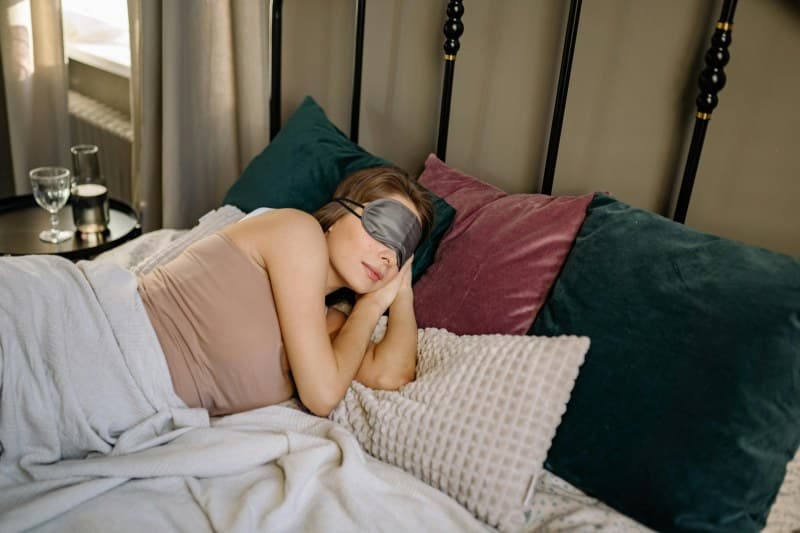
Last week, my roommate confessed she’d been sleeping with her phone on her nightstand—screen glowing softly—because she was scared of the dark. She’d heard any light at night ruins sleep, so she felt guilty. But is that really true? Let’s break down the facts about sleep environments and debunk some common myths.
Is Sleeping With a Light On Actually Bad?
It depends on the type and intensity of the light. Blue light (from phones, laptops, or bright white LEDs) suppresses melatonin, the hormone that regulates sleep-wake cycles. But dim, warm light—like a red nightlight—has minimal impact on melatonin production. So if you need a light to navigate your room at night, opt for red or amber tones.
4 Common Sleep Environment Myths Debunked
- Myth: Any light at night disrupts sleep. Truth: Red or dim warm light won’t mess with your melatonin as much as blue light.
- Myth: Complete silence is necessary for good sleep. Truth: White noise (like a fan or sound machine) can mask sudden, disruptive sounds (e.g., a car horn) and help you stay asleep.
- Myth: The colder the room, the better. Truth: The optimal sleep temperature is between 60–67°F (15–19°C). Too cold or too hot can make it hard to fall asleep.
- Myth: A firm mattress is always best. Truth: It depends on your sleeping position. Side sleepers need a softer mattress to support their hips and shoulders, while back sleepers do better with a firmer surface.
Light Source Impact on Sleep: A Quick Comparison
Here’s how different light sources affect your ability to fall and stay asleep:
| Light Source | Melatonin Suppression | Best For Sleep? |
|---|---|---|
| Blue LED (phone/laptop) | High | No |
| Red Nightlight | Low | Yes (if needed) |
| Dim Warm Lamp | Moderate | Only if turned off 30 mins before bed |
| Natural Moonlight | Very Low | Yes |
Wisdom From the Past
“Sleep is the best meditation.” — Dalai Lama
This quote reminds us that sleep is a vital form of rest for both body and mind. But to get that deep, meditative sleep, our environment matters. Small changes—like swapping a blue nightlight for red—can help us achieve the rest we need.
A Real-Life Example
My friend Lisa used to wake up tired every morning even though she slept 8 hours. She realized she was leaving her bathroom light on (a bright white LED) all night. She switched to a red nightlight, and within a week, she reported falling asleep 15 minutes faster and waking up more refreshed. It’s a tiny adjustment, but it made a huge difference.
FAQ: Your Sleep Environment Questions Answered
Q: Can I use a white noise machine every night?
A: Yes! White noise machines help mask sudden, jarring sounds that can wake you up. Just keep the volume low enough to not be disruptive.
Q: Is it okay to sleep with a fan on?
A: Absolutely. Fans keep the room cool (which is great for sleep) and provide gentle white noise. Just remember to clean your fan regularly to avoid dust buildup.
Your sleep environment plays a bigger role than you might think. By debunking these myths, you can make small tweaks to get the rest you deserve. Remember: It’s not about being perfect—it’s about finding what works for your body.