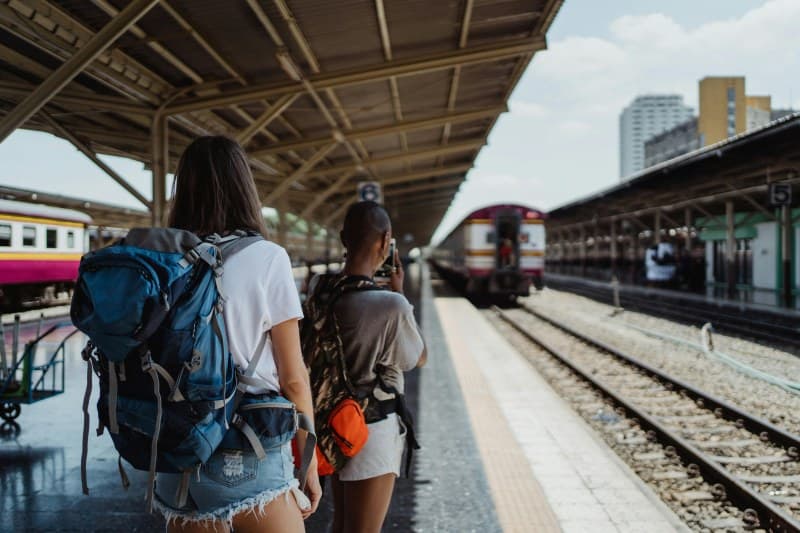
Last year, I stood in Bangkok’s Khao San Road, staring at a cart of pad thai that smelled like heaven. My friend warned me: ‘Tourist areas have unsafe street food.’ But I took a chance. The vendor, a woman named Mali, had a spotless cart and a line of both locals and tourists. Her pad thai was the best I’ve ever had. That moment made me question: Is street food in tourist areas really always unsafe?
The Big Myth: Street Food in Tourist Areas Is Unsafe
Many travelers avoid street food in busy tourist spots, assuming it’s unhygienic or risky. But the truth is, vendors in popular areas rely on positive word-of-mouth and repeat customers—even from tourists. Local health departments often inspect these high-traffic spots more frequently. For example, in Mexico City’s Zocalo, street food vendors must display official health certificates prominently, and violations lead to immediate closure.
6 Common Travel Food Myths Debunked
Here’s a breakdown of 6 myths and their truths to help you eat confidently on your next trip:
| Myth | Truth |
|---|---|
| Street food in tourist areas is always unsafe | Many vendors are regulated; look for clean carts and lines with both locals and tourists. |
| Raw or undercooked food abroad is always risky | Cultures like Japan (sashimi) or Italy (carpaccio) have safe raw food practices; ask locals for trusted spots. |
| Bottled water is the only safe drink | Countries like Iceland, Switzerland, and Canada have tap water safer than most bottled options. |
| Spicy food will cause stomach issues | Spicy ingredients like chili peppers can kill bacteria; build tolerance slowly to avoid discomfort. |
| English menus mean safer food | Local spots without English menus often serve the most authentic, well-loved dishes. |
| Peeling fruit is enough to avoid contamination | Wash fruit first—dirt on the peel transfers to the flesh when peeling. |
Why Food Is the Heart of Travel
“Food is the ultimate equalizer. It crosses all boundaries—language, culture, time.” — Unknown (common travel wisdom)
This quote rings true because sharing a meal with locals is one of the best ways to connect. In Vietnam, I joined a family for pho at a street cart. Even with limited English, we laughed and gestured as we ate, learning about their daily lives through their favorite dish. That meal was more memorable than any museum visit.
FAQ: How to Choose Safe Street Food
Q: What are the top signs of a safe street food vendor?
A: Look for: 1) A clean cart/stall (no visible dirt or flies), 2) Fresh ingredients (crisp veggies, properly stored meat), 3) A steady line of customers (locals are a reliable indicator), and 4) Vendors who wash their hands frequently.
Final Thoughts
Don’t let myths hold you back from trying local food. Whether it’s a taco in Mexico City or a crepe in Paris, street food is often the soul of a destination. Next time you’re traveling, take a chance—you might find your new favorite dish, and a story to go with it.