Last month, my friend Mia panicked when her favorite pothos started drooping. She grabbed a giant ceramic pot, filled it with fresh soil, and transplanted the plant—only to watch its leaves turn yellow and wilt worse. Turns out, she fell for a common repotting myth: that bigger is always better. Repotting can work wonders, but it’s not a one-size-fits-all fix.
Is Repotting Always the Answer? The Truth
Repotting helps when your plant is root-bound (roots circling the pot or poking out drainage holes) or when the soil has lost nutrients. But it can harm if done at the wrong time, in the wrong pot, or to a stressed plant. For example, a plant with root rot needs treatment first, not repotting.
6 Common Repotting Myths Debunked
Let’s bust the myths that lead to sad plants:
- Myth: Repotting fixes all plant problems. Debunked: If your plant is wilting from overwatering, repotting will only add stress. Address the root cause (like adjusting watering) first.
- Myth: You should repot every year. Debunked: Slow-growing plants (succulents, snake plants) need repotting every 2-3 years. Fast growers (pothos, spider plants) every 1-2 years.
- Myth: Bigger pots are always better. Debunked: A pot too large holds excess water, leading to root rot. Choose a pot 1-2 inches larger in diameter than the current one.
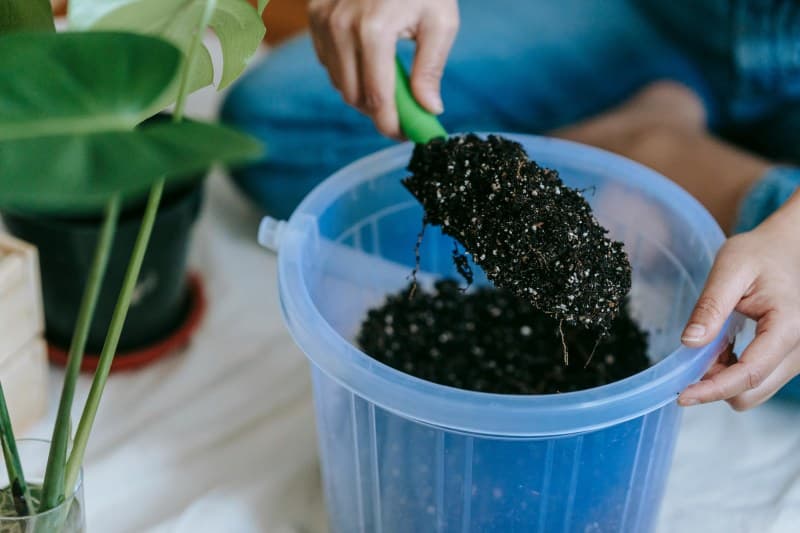
- Myth: You must use brand-new soil every time. Debunked: Reusing old soil (mixed with compost) works if it’s not compacted or nutrient-depleted. Just remove any dead roots first.
- Myth: Repotting can be done any time of year. Debunked: The best time is spring (growing season) when plants recover faster. Avoid repotting in winter when growth slows.
- Myth: All plants need repotting eventually. Debunked: Some plants (like bonsai) thrive in small pots. Others (like air plants) don’t need soil at all!
Should You Repot? A Quick Guide
Use this table to decide:
| Scenario | Should Repot? | Reason |
|---|---|---|
| Roots growing out of drainage holes | Yes | Roots need more space to absorb nutrients. |
| Plant wilts but soil is wet | No | Likely root rot—treat first, then repot if needed. |
| Soil is compacted and doesn’t drain | Yes | Fresh soil improves drainage and nutrient uptake. |
| Newly bought plant in plastic pot | Maybe | Wait 2-3 weeks to let it adjust before repotting (avoid shock). |
“The care of the earth is our most ancient and most worthy, and after all our most pleasing responsibility.” — Wendell Berry
This applies to our indoor plants too. Repotting is a way to care for them, but only when it’s needed.
FAQ: Your Repotting Questions Answered
Q: How do I know if my plant is root-bound?
A: Gently remove the plant from its pot. If roots are tightly packed in a circle, it’s root-bound. If there’s still soil around the roots, it doesn’t need repotting yet.
Q: What type of soil should I use for repotting?
A: It depends on the plant. Use cactus mix for succulents, potting mix for most houseplants, and orchid mix for orchids.
Final Takeaway
Repotting is a tool, not a cure-all. Before grabbing a new pot, check your plant’s signs. When done right, it can help your plant thrive—just like Mia learned after rescuing her pothos by moving it back to a smaller pot with well-draining soil. Now it’s growing better than ever!