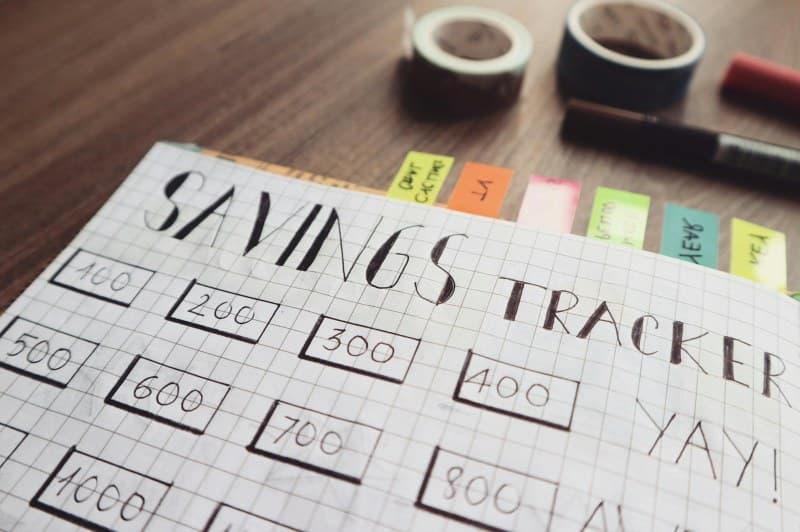
Let’s start with a story: My friend Lila works at a local café, earning $15 an hour for 30 hours a week. After rent, utilities, and groceries, she has about $100 left each month. She always said, “I can’t save—my income is too small.” Then one day, she tried putting $10 a week into a savings account. After a year, she had $480 plus a few dollars in interest. That’s when she realized: saving isn’t just for people with big paychecks.
The Truth About Saving and Income
Saving is a habit, not a privilege. It’s about making small, consistent choices, not how much you earn. As Benjamin Franklin once said:
A penny saved is a penny earned, and a penny invested is a penny multiplied.
This quote hits home because even tiny amounts grow over time. Let’s break down the two biggest myths that stop people like Lila from saving.
Debunking 2 Key Myths
Myth 1: You Need to Save 20% of Your Income to Make Progress
The 20% rule (from the 50/30/20 budget) is a guideline, not a hard rule. For someone earning $30,000 a year, 20% is $500 a month—way more than Lila could spare. Instead, start with what you can: 1%, 5%, or even $5 a week. The goal is to build the habit first. Lila’s $10 weekly savings (about 3% of her monthly income) was enough to start her journey.
Myth 2: Small Savings Don’t Add Up Over Time
Many people think $5 a day is too little to matter. But let’s look at the numbers. Below is a comparison of small daily savings over 5 years, assuming a 5% annual interest rate:
| Daily Savings | Total Saved (5 Years) | Interest Earned | Total With Interest |
|---|---|---|---|
| $5 | $9,125 | $1,200 | $10,325 |
| $10 | $18,250 | $2,400 | $20,650 |
| $20 | $36,500 | $4,800 | $41,300 |
That $5 a day turns into over $10k in 5 years—proof that small amounts add up.
Common Q&A
Q: I barely have any leftover money each month—can I still save?
A: Yes! Try micro-savings. Apps like Acorns or Chime round up your purchases to the nearest dollar and put the difference into savings. For example, if you buy a $3.75 coffee, the app adds $0.25 to your savings. Over a month, this could add up to $20-$30 without you noticing. Another trick: set up an automatic transfer of $5 a week to your savings account—you’ll get used to it quickly.
Final Thoughts
Saving isn’t about how much you earn—it’s about how you prioritize. Whether you’re earning minimum wage or a six-figure salary, the key is to start small and stay consistent. Lila now saves $20 a week and is saving for a vacation. She says, “I used to think saving was impossible, but now it’s just part of my routine.” So next time you think you can’t save, remember: every penny counts.