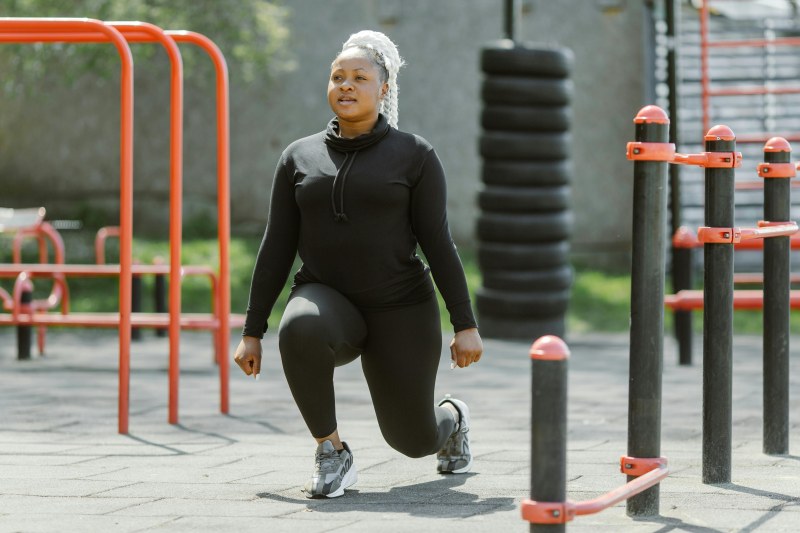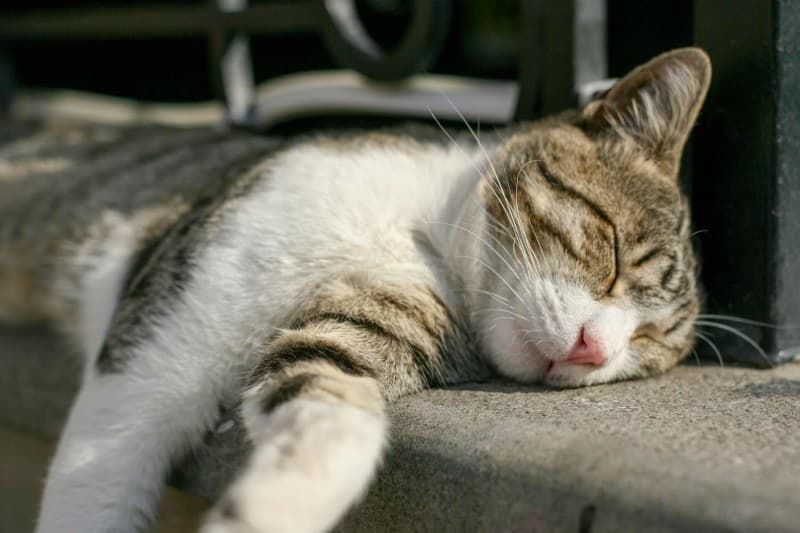
Sarah slumps at her desk, eyes burning from three hours of screen time. She’s got a deadline in two hours, but her brain feels stuck. She sets a 20-minute timer, leans back, and closes her eyes. When she wakes up, her ideas flow—she nails the deadline. But later, guilt creeps in: Did I waste time? Is napping lazy? If you’ve had these thoughts, you’re not alone.
The Truth About Napping: It’s Not Lazy, It’s Smart
Napping is a natural part of our circadian rhythm. Our bodies dip in energy between 1–3 PM, a leftover from our ancestors’ siesta habits. Short naps boost cognitive function, improve mood, and reduce stress. The National Sleep Foundation found a 20-minute nap increases alertness by 34% and cognitive performance by 50%.
5 Napping Myths Debunked (With Science)
- Myth 1: Naps make you lazy → Fact: Napping is strategic rest. Einstein napped daily, and athletes use naps to recharge. It’s optimizing productivity, not laziness.
- Myth 2: All naps are the same → Fact: Length changes effect. A 10-minute nap gives quick energy; 90 minutes helps memory consolidation.
- Myth 3: Napping ruins nighttime sleep → Fact: Only long (over 60 mins) or late (after 3 PM) naps disrupt sleep. Short, early-afternoon naps are safe.
- Myth 4: You need a long nap to feel refreshed → Fact: A 10–20 minute nap boosts energy without grogginess (sleep inertia).
- Myth 5: Napping is only for kids or elderly → Fact: Adults 18–64 who nap regularly report better mood and less stress.
How to Nap Like a Pro: Pick the Right Length
Not sure how long to nap? This table breaks down effects:
| Nap Length | Key Benefit | Potential Drawback |
|---|---|---|
| 5–10 mins | Quick energy boost, no grogginess | Short-lived (1–2 hours) |
| 20–30 mins | Improved focus and alertness | Mild grogginess if woken mid-cycle |
| 60 mins | Deep sleep for memory | Strong grogginess (30+ mins) |
| 90 mins | Full cycle (no grogginess), creativity boost | Takes longer, not for busy schedules |
A Classic Take on Rest
“Rest is not idleness, and to lie sometimes on the grass under trees on a summer's day, listening to the murmur of the water, or watching the clouds float across the sky, is by no means a waste of time.” — John Lubbock
Lubbock’s words remind us rest (including napping) isn’t wasted. It recharges our minds so we’re more present when awake.
FAQ: Your Napping Questions Answered
Q: When is the best time to nap?
A: Between 1–3 PM. This aligns with your circadian dip, so you get maximum benefit without disrupting nighttime sleep. Avoid napping after 3 PM.
Next time you feel that mid-afternoon slump, don’t fight it. Set a timer, find a quiet spot, and rest. You’ll wake up refreshed and ready to go. Remember: Napping isn’t lazy—it’s smart self-care.