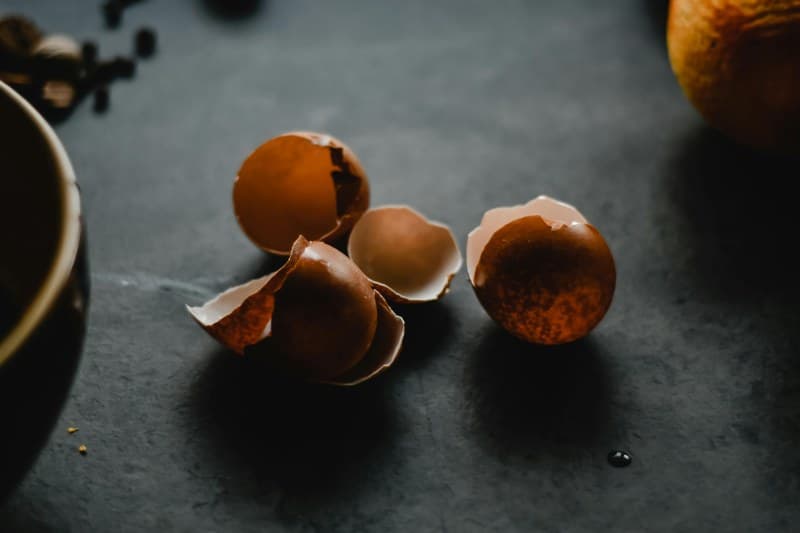
Last month, my friend Lily started crushing raw eggshells into every houseplant pot she owned. She’d heard they were a magic fertilizer—natural, free, and great for all plants. But two weeks later, her succulents turned yellow, and her ferns looked droopy. What went wrong? Eggshells aren’t a one-size-fits-all solution, and there are a lot of myths floating around about their use.
What Eggshells Actually Do for Houseplants
Eggshells are 95% calcium carbonate, a mineral plants need to build strong cell walls and prevent issues like blossom end rot (a common problem in tomatoes). But here’s the catch: plants can’t absorb calcium from whole or coarse eggshells right away. The shells need to break down first—either through composting or by being ground into a fine powder. Raw, chunky shells might sit in soil for months without releasing any nutrients.
Which Plants Love Eggshells (and Which Don’t)
Not all plants crave calcium. Here’s a quick breakdown:
| Plant Type | Loves Eggshells? | Reason |
|---|---|---|
| Tomatoes (potted) | Yes | Prevents blossom end rot; needs high calcium. |
| Succulents | No | Thrive in low-calcium, well-draining soil. |
| Peppers | Yes | Reduces blossom drop and strengthens stems. |
| Ferns | No | Prefer acidic soil; eggshells are alkaline. |
| Roses (indoor) | Yes | Boosts flower production and disease resistance. |
| Orchids | No | Need low-calcium, airy growing medium. |
4 Common Eggshell Gardening Myths Debunked
- Myth 1: Eggshells keep all pests away — While crushed shells might deter slugs (their sharp edges irritate soft bodies), they won’t stop aphids, spider mites, or fungus gnats. Don’t skip regular pest checks!
- Myth 2: Raw eggshells work immediately — Raw shells take 6-12 months to decompose in soil. For quick results, bake and grind them first.
- Myth 3: Eggshells make soil acidic — The opposite! Eggshells are alkaline, so they raise soil pH. This is bad for acid-loving plants like blueberries or azaleas.
- Myth4: Any eggshell prep is fine — Rinsing is non-negotiable (residue causes mold). Baking and grinding turn shells into a bioavailable form plants can use quickly.
Classic Wisdom on Reusing Kitchen Scraps
“Waste not, want not” — English Proverb
This old saying fits perfectly with eggshell gardening. Instead of tossing shells in the trash, you can turn them into a useful soil amendment—if you do it right. Lily learned this the hard way, but now she uses eggshell powder only on her tomato and pepper plants, and they’re thriving.
Real-Life Example: Lily’s Tomato Turnaround
After her succulent fiasco, Lily adjusted her approach. She started rinsing eggshells, baking them at 200°F for 10 minutes (to kill bacteria and make them brittle), then grinding them into a fine powder. She mixed a tablespoon of powder into the top inch of her potted tomato soil. Within a month, her plant stopped developing blossom end rot, and it produced twice as many tomatoes as the previous year. “I thought I was doing something good, but I just didn’t know the right way,” she said.
FAQ: How to Prepare Eggshells for Houseplants
Q: What’s the step-by-step way to make eggshells useful for my plants?
A: 1. Rinse eggshells thoroughly to remove all egg residue. 2. Bake at 200°F (93°C) for 10-15 minutes until dry and brittle. 3. Grind into a fine powder (use a blender, coffee grinder, or mortar and pestle). 4. Mix 1-2 tablespoons of powder into the top inch of soil for calcium-loving plants, or add to your compost pile.
Remember: Eggshells are a supplement, not a replacement for balanced fertilizer. Use them alongside regular plant care for the best results.