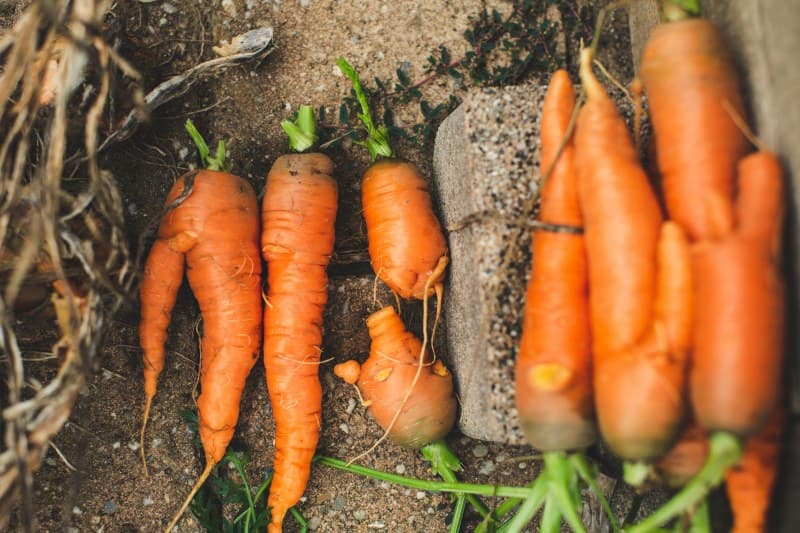
Remember when your mom told you to finish your carrots because they’d help you see in the dark? For many of us, that’s a childhood memory we’ve carried into adulthood. But is there any truth to this age-old claim? Let’s dig into the science and debunk a few common myths along the way.
The Real Story Behind Carrots and Night Vision
Carrots are rich in beta-carotene, a compound our bodies convert into vitamin A. Vitamin A is essential for making rhodopsin, the pigment in our eye’s rod cells that helps us see in low light. If you’re deficient in vitamin A, you might struggle with night vision (a condition called nyctalopia). So, in that case, eating carrots could help restore normal night vision. But here’s the catch: most people in developed countries aren’t vitamin A deficient. Eating extra carrots won’t give you superhuman night vision beyond what’s normal for your eyes.
The myth gained traction during World War II. Britain’s Royal Air Force spread rumors that their pilots ate lots of carrots to improve their night flying skills—all to hide the fact they were using new radar technology to spot enemy planes. The lie stuck, and carrots have been linked to night vision ever since.
Vision Myths vs. Facts
Let’s break down three common myths about vision and diet:
| Myth | Fact |
|---|---|
| Eating carrots improves night vision (even if you’re not vitamin A deficient). | Only helps if you have a vitamin A deficiency. For most people, no extra benefit. |
| Carrots prevent all eye diseases like macular degeneration. | Carrots contribute to eye health, but they aren’t a cure-all. You need a mix of nutrients (lutein, omega-3s) to lower risk. |
| Staring at screens causes permanent eye damage. | Screen time leads to digital eye strain (dryness, fatigue) but not permanent damage. Taking breaks helps. |
Wisdom from the Ages
"Let food be thy medicine and medicine be thy food." — Hippocrates
This ancient quote reminds us that diet plays a key role in health, including eye health. But it’s not about one magic food. Carrots are a great part of a balanced diet, but they work best when paired with other nutrient-rich foods like leafy greens, fatty fish, and eggs.
A Relatable Story: Sarah’s Night Vision Struggle
Sarah, a 22-year-old college student, noticed she had trouble seeing when walking home from the library at night. She remembered her mom’s advice about carrots and started eating three carrots a day for a month. But her night vision didn’t get any better. Frustrated, she visited an optometrist who told her she had mild myopia (nearsightedness). The carrots had boosted her vitamin A levels, but they couldn’t fix her refractive error—she needed glasses. This story shows that while carrots are good for eye health, they aren’t a solution for vision problems caused by other factors.
FAQ: What Foods Actually Support Good Vision?
Q: I want to keep my eyes healthy—what foods should I add to my diet?
A: Focus on a mix of nutrients:
- Lutein and zeaxanthin: Found in leafy greens (spinach, kale) and eggs—these protect the retina from damage.
- Omega-3 fatty acids: Fatty fish like salmon and tuna help with dry eyes and reduce inflammation.
- Vitamin A: Carrots, sweet potatoes, and liver (in moderation) support low-light vision.
- Vitamin C: Citrus fruits and bell peppers help maintain blood vessels in the eyes.
Practical Tips for Healthy Eyes
Beyond diet, here are a few easy ways to take care of your eyes:
1. 20-20-20 Rule: Every 20 minutes, look at something 20 feet away for 20 seconds to reduce screen strain.
2. Wear Sunglasses: UV rays can damage your eyes over time—choose sunglasses that block 100% of UVA and UVB rays.
3. Regular Eye Exams: Even if you don’t have vision problems, get checked annually to catch issues early.
So, the next time someone tells you carrots will help you see in the dark, you can share the real story. Carrots are a healthy snack, but they won’t turn you into a night vision superhero. The key to good eye health is a balanced diet, regular check-ups, and smart habits.