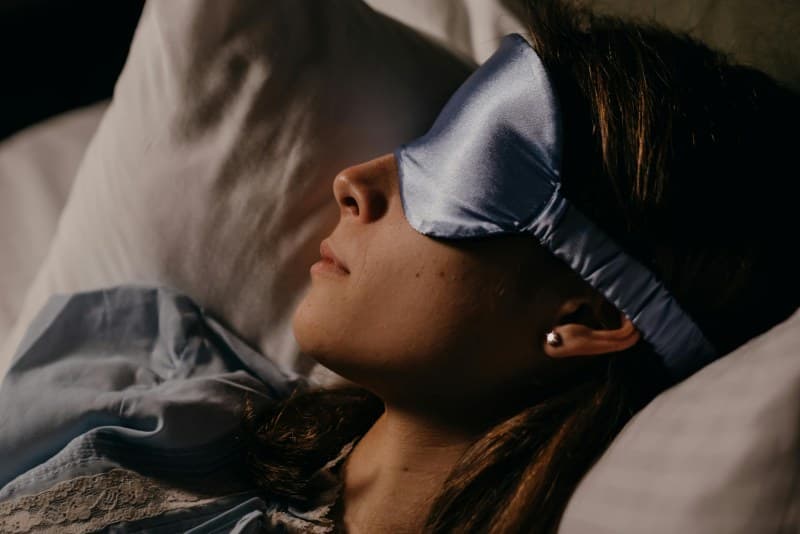
It’s 11 PM, and you’re craving a small bowl of cereal. But then you remember that old myth—eating before bed causes nightmares. So you put the bowl down, toss and turn, and end up hungry and wide awake. Sound familiar? Let’s separate fact from fiction when it comes to sleep myths, starting with this common one.
The Truth About Eating Before Bed & Nightmares
Eating before bed doesn’t directly cause nightmares. What it can do is lead to discomfort—like indigestion or acid reflux—if you choose heavy, spicy, or sugary foods. This discomfort disrupts your sleep cycle, leading to more vivid dreams (which we often remember as nightmares). Light snacks like a banana or a handful of nuts? They’re usually fine, and might even help if you’re hungry enough to stay awake.
5 Common Sleep Myths Debunked
Myth 1: You must get exactly 8 hours of sleep every night
The 8-hour rule is a general guideline, but everyone’s body is different. Some people thrive on 7 hours; others need 9. The key is how you feel during the day—if you’re alert and energized, your sleep duration is probably right for you.
Myth 2: Warm milk helps you fall asleep faster
Warm milk has tryptophan, an amino acid linked to sleep, but the amount is too small to make a difference. What does help? The routine of sipping warm milk— it signals to your body that it’s time to wind down.
Myth3: Snoring is harmless
Occasional snoring is normal, but loud, consistent snoring can be a sign of sleep apnea—a condition where breathing stops and starts during sleep. If snoring disrupts your partner’s sleep or you wake up tired, talk to a healthcare provider.
Myth4: Hitting snooze is okay
Hitting snooze disrupts your sleep cycle. When you fall back asleep, you enter a new sleep stage, and waking up mid-stage leaves you feeling groggy (sleep inertia). Try setting your alarm for the time you actually need to get up.
Myth5: Napping during the day ruins night sleep
Short naps (20-30 minutes) can boost energy without affecting night sleep. Long naps (over an hour) or napping late in the day might interfere with your ability to fall asleep at night.
Sleep Myth vs Reality: A Quick Comparison
| Myth | Reality |
|---|---|
| Eating before bed causes nightmares | Discomfort from heavy foods leads to vivid dreams, not the food itself. |
| Warm milk helps sleep | Routine matters more than the milk’s tryptophan content. |
| Hitting snooze is harmless | It disrupts sleep cycles and causes grogginess. |
A Story: The Warm Milk Routine
My friend Lisa used to drink a glass of warm milk every night before bed. She swore it helped her fall asleep faster. One night, she ran out of milk and was worried she’d toss and turn. Instead, she sat on her couch for 10 minutes, reading a physical book (no screens) and sipping water. She fell asleep just as quickly. Later, she realized it wasn’t the milk—it was the consistent wind-down routine that calmed her mind.
“Sleep is the golden chain that ties health and our bodies together.” — Thomas Dekker
This quote reminds us how important sleep is for our overall well-being. Debunking myths helps us make better choices to protect that golden chain.
Quick FAQ: One Common Sleep Question
Q: Does screen time right before bed really affect sleep quality?
A: Yes. The blue light emitted by phones, TVs, and computers suppresses melatonin, the hormone that regulates sleep. Try switching to a physical book or listening to soft music 30 minutes before bed to help your body prepare for rest.