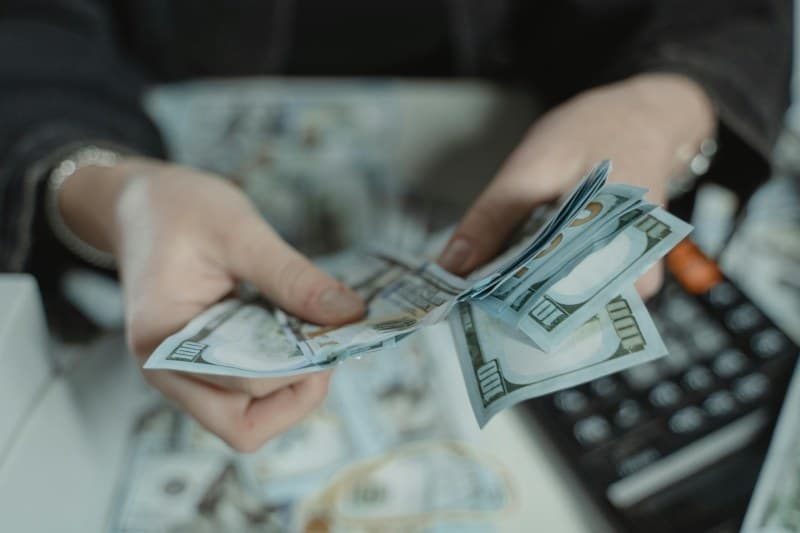
Maria swore by cash envelopes for years. She’d withdraw $200 each month for groceries, $100 for dining out, and tuck them into labeled envelopes. But when her internet bill auto-renewed at a higher rate and she missed the notification, she realized digital payments had their place too. The idea that cash is always better for saving is a common myth—but is it true?
Is Cash Really King for Saving? The Truth Behind the Myth
Many people believe cash makes you more mindful of spending because you can see the money leaving your hand. While that’s partially true, it’s not the whole story. Digital tools offer features that cash can’t—like automatic savings, fraud protection, and easy tracking. The key is to use the right tool for the right job.
5 Myths About Cash vs Digital Spending Debunked
Let’s break down the most persistent myths and see what’s actually true:
- Myth 1: Cash prevents overspending entirely. While cash limits how much you can spend at once, it doesn’t stop impulse buys—like grabbing a $5 coffee because you have cash in your pocket. Digital tools can set hard spending limits that block overspending.
- Myth 2: Digital payments are always less secure. Cash can be lost or stolen with no way to recover it. Digital payments often have fraud protection, so you can dispute unauthorized charges and get your money back.
- Myth 3: Cash is easier to track. Keeping receipts for every cash purchase is a hassle. Digital apps automatically log every transaction, making it simpler to see where your money goes at a glance.
- Myth 4: Digital payments have hidden fees. While some credit cards charge annual fees, many debit cards and digital wallets (like Venmo) are fee-free for basic transactions. Cash has no fees, but withdrawing from out-of-network ATMs can cost you $2–$5 per transaction.
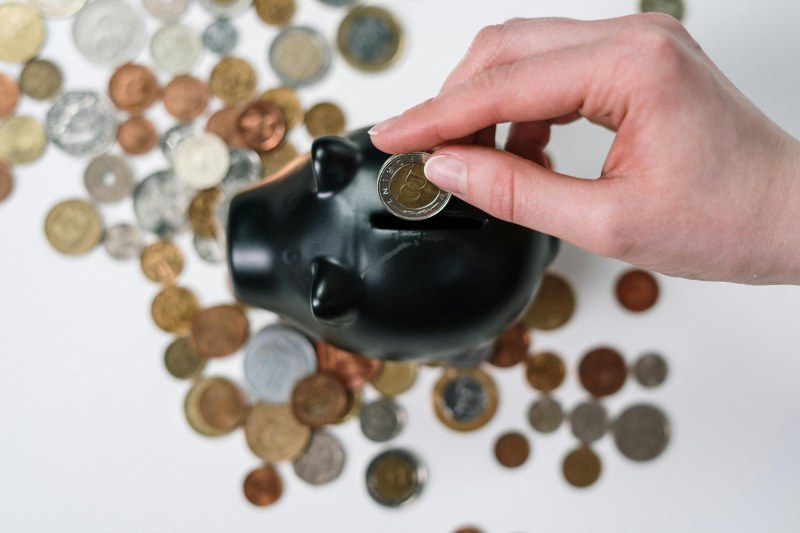
- Myth 5: You can’t save with digital payments. Apps like Acorns or round-up features on debit cards let you save spare change automatically—something cash can’t do without manual effort (like putting loose coins in a jar).
Cash vs Digital: A Quick Comparison
Here’s how cash and digital payments stack up on key saving factors:
| Factor | Cash | Digital Payments |
|---|---|---|
| Budget Awareness | High (physical money makes spending tangible) | Medium (needs active tracking, but apps help) |
| Convenience | Low (can’t pay online or auto-renew bills) | High (pay anywhere, anytime) |
| Security | Low (no fraud protection) | High (dispute options, encryption) |
| Tracking Ease | Low (manual receipts needed) | High (auto-logged transactions) |
| Overspending Risk | Medium (limited by cash on hand, but impulse buys still happen) | Medium (can set limits, but easy to overspend if not careful) |
Wisdom from the Past: A Classic Quote
“A penny saved is a penny earned.” — Benjamin Franklin
Franklin’s words remind us that saving isn’t about the payment method—it’s about being intentional. Whether you use cash or digital, the key is to keep track of your money and avoid unnecessary spending. The method is just a tool to help you reach your goals.
Real-Life Example: Maria’s Hybrid Approach
After her internet bill mishap, Maria decided to mix cash and digital. She kept cash envelopes for groceries and dining (to stay within budget) and used a digital app for fixed bills (like rent and utilities) with auto-alerts for price changes. She also set up a round-up feature on her debit card to save spare change automatically. In three months, she saved an extra $150 without feeling restricted. The hybrid approach let her enjoy the benefits of both methods.
FAQ: Should I Go All Cash or All Digital?
Q: Is it better to use only cash or only digital payments to save money?
A: No—hybrid is often best. Use cash for variable expenses where you want to limit spending (like entertainment or snacks). Use digital for fixed bills (to avoid late fees) and savings tools (like round-ups). This way, you get the best of both worlds: the mindfulness of cash and the convenience of digital.
Final Tips for Smarter Spending
1. Use cash for variable expenses: Groceries, dining, and entertainment are great candidates for cash envelopes.
2. Use digital for fixed bills: Set up auto-pay with alerts to avoid late fees and track payments easily.
3. Leverage digital savings tools: Round-up apps or automatic transfers to savings accounts help you save without thinking.
4. Track everything: Whether you use a notebook (for cash) or an app (for digital), tracking your spending is key to saving more.
At the end of the day, the best payment method for saving is the one that fits your habits. Don’t let myths dictate your choices—experiment and find what works for you. After all, saving is about progress, not perfection.