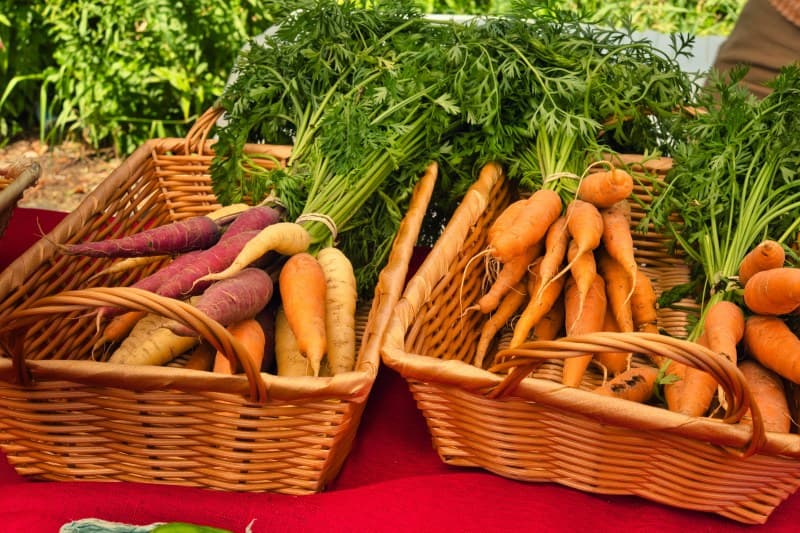
Remember when your parents told you to eat carrots to see in the dark? I did—and I’d chomp down extra sticks before sleepovers, hoping to sneak around without turning on lights. Spoiler: It didn’t work. But that myth stuck, and it’s not the only one about food and vision. Let’s separate fact from fiction.
The Carrot Myth: Where It All Started
Surprise—this myth wasn’t born from science. During WWII, British RAF pilots used radar to spot enemy planes at night. To keep the tech secret, they told the public pilots ate lots of carrots. The story spread, and suddenly carrots were the go-to for “night vision.” The truth? Carrots are rich in beta-carotene, which your body turns into vitamin A. Vitamin A prevents night blindness (a condition where you struggle to see in low light), but it doesn’t give you superhuman night vision. If you’re already getting enough vitamin A, extra carrots won’t help.
6 Common Vision Food Myths Debunked
Let’s break down other popular claims about food and eyes:
| Myth | Truth | Key Takeaway |
|---|---|---|
| Blueberries cure macular degeneration | Blueberries have antioxidants that may slow progression, but they don’t cure the condition. | Include them in your diet, but don’t skip doctor visits. |
| Spinach gives you Popeye-level vision | Spinach has lutein and zeaxanthin—nutrients that protect the retina—but it won’t fix nearsightedness. | Leafy greens are great for long-term eye health. |
| Eating liver cures poor vision | Liver is high in vitamin A, but too much can cause toxicity (leading to headaches or even vision loss). | Stick to small portions of liver occasionally. |
| Sugar directly causes blindness | Uncontrolled diabetes (which can be linked to excessive sugar intake) damages blood vessels in the eyes, but sugar alone doesn’t cause blindness. | Manage blood sugar levels if you have diabetes. |
| Eye exercises + food = perfect vision | Eye exercises can reduce strain, but they don’t fix refractive errors (like myopia). Food supports health, not correction. | Combine exercises with a balanced diet and regular eye checks. |
| All “eye-healthy” supplements work | Some supplements (like those with lutein) help, but others are unproven. Always consult a doctor before taking them. | Don’t waste money on untested supplements. |
Foods That Actually Support Eye Health
While no food will give you perfect vision, these nutrient-packed options help keep your eyes happy:
- Leafy greens (spinach, kale): Lutein and zeaxanthin protect against macular degeneration.
- Salmon/tuna: Omega-3 fatty acids reduce dry eye and inflammation.
- Citrus fruits (oranges, grapefruit): Vitamin C boosts blood vessels in the eyes.
- Nuts (almonds, walnuts): Zinc and vitamin E support retina health.
A Classic Wisdom Check
“Let food be thy medicine and medicine be thy food.” — Hippocrates
This ancient quote rings true for eye health. Food isn’t a replacement for glasses or eye drops, but it’s a foundation for keeping your eyes functioning well. Think of it as preventive care, not a cure.
Real-Life Example: Sarah’s Story
Sarah, 45, spent 8 hours a day staring at her computer. She noticed dry eyes and blurry vision by 3 PM. Instead of reaching for eye drops alone, she added spinach to her lunch, salmon to her dinner, and oranges to her snacks. After two months, her dry eyes were gone, and she felt less strain. She still wears glasses for nearsightedness, but her eyes feel healthier overall.
FAQ: Your Burning Question Answered
Q: Can I eat certain foods to avoid needing glasses?
A: No. Refractive errors (like nearsightedness or farsightedness) are caused by the shape of your eye, not your diet. But eating eye-healthy foods can reduce strain, dryness, and the risk of age-related conditions. So while you might still need glasses, your eyes will thank you for the extra nutrients.
Next time someone tells you to eat carrots for night vision, you can share the WWII story—and then recommend a mix of leafy greens and salmon for long-term eye health. Small changes in your diet can make a big difference in how your eyes feel day-to-day.