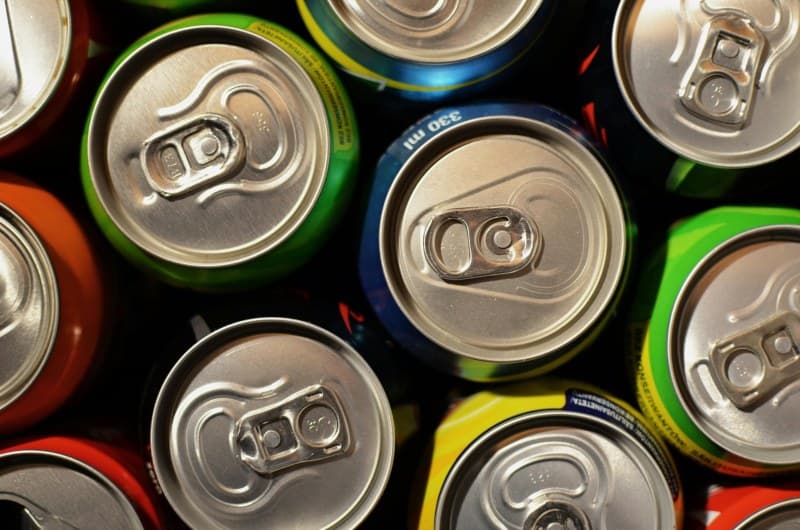
Last week, my roommate turned up her nose at the canned spinach I pulled out for our morning smoothies. “Fresh is better,” she said, grabbing a wilted bag from the fridge that had been there for three weeks. I couldn’t help but laugh—her “fresh” spinach was about to go bad, while my canned stuff had been sitting in the pantry for months, still nutrient-packed. This got me thinking: why do so many of us write off canned veggies?
Fresh vs. Canned vs. Frozen: The Nutrient Showdown
Let’s get real—nutrients aren’t just about how “fresh” something is. Canned veggies are picked at peak ripeness and processed immediately, locking in vitamins. Here’s a quick comparison:
| Aspect | Fresh Veggies | Canned Veggies | Frozen Veggies |
|---|---|---|---|
| Nutrient Retention | Declines over time (days to weeks) | Locked in at peak ripeness | Similar to canned (peak ripeness) |
| Shelf Life | 1-2 weeks | 1-2 years | 6-12 months |
| Cost | Higher (seasonal) | Lower (consistent) | Mid-range |
| Prep Time | Wash, chop, cook (10+ mins) | Rinse, heat (2-5 mins) | Thaw or cook (5-10 mins) |
4 Common Canned Veggie Myths Debunked
Myth 1: Canned veggies are less nutritious than fresh
Not always! For example, canned tomatoes have more lycopene (a cancer-fighting antioxidant) than fresh ones because the cooking process breaks down cell walls, making lycopene easier to absorb. Spinach and beans also retain most of their iron and fiber in cans.
Myth 2: All canned veggies are loaded with sodium
While some are, many brands now offer low-sodium or no-salt-added options. Even if you pick a regular can, rinsing the veggies under cold water can remove up to 40% of the sodium. Win-win!
Myth 3: Canned veggies have no flavor
That’s a myth from the 1950s! Modern canning techniques preserve flavor better than ever. Try adding canned corn to a chili or canned peas to a stir-fry—you’ll barely tell the difference from fresh (especially if you season them well).
Myth 4: Canned veggies are full of preservatives
Most canned veggies don’t need preservatives. The canning process (heating to kill bacteria) and the airtight seal keep them fresh. Check the label—you’ll often see just veggies and water (or a little salt) in the ingredients.
“The art of preserving food is the art of keeping memories alive.” — Unknown Culinary Wisdom
This quote rings true for canned veggies. They let us enjoy summer’s bounty (like sweet corn or ripe tomatoes) even in the middle of winter, keeping those fresh flavors alive when fresh produce is hard to find.
Q&A: Your Canned Veggie Questions Answered
Q: Is it safe to eat canned veggies straight from the can?
A: Yes! Canned veggies are fully cooked during the canning process. You can eat them cold (like in a salad) or heat them up—whatever you prefer.
Practical Tips for Using Canned Veggies
- 🥫 Look for labels that say “low sodium” or “no salt added” to cut down on sodium intake.
- ✨ Rinse canned beans and veggies under cold water to remove excess sodium and any canning liquid.
- 🍲 Add canned veggies to soups, stews, or casseroles for a quick nutrient boost.
- 🥗 Mix canned corn or peas into salads for extra crunch and flavor.
Next time you’re at the grocery store, don’t skip the canned aisle. Canned veggies are a budget-friendly, convenient way to get your daily servings—no wilted spinach required.