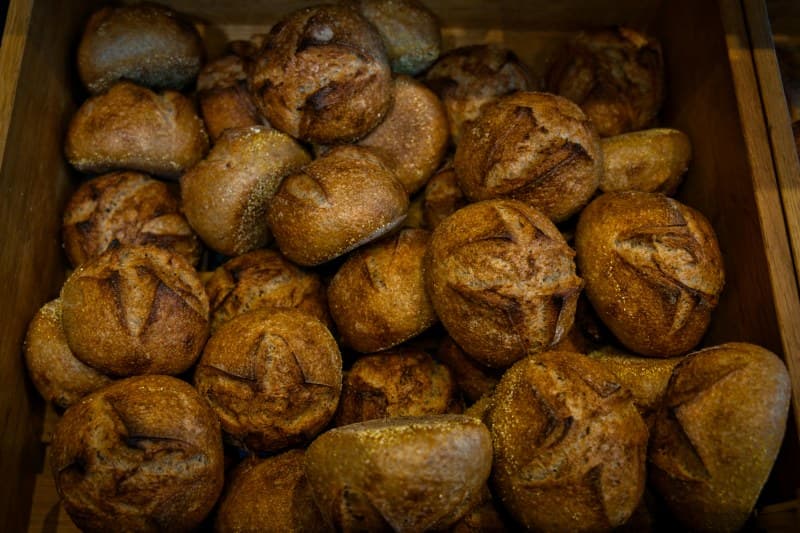
Last week, my friend Lila called in a panic. She’d spent an hour kneading her first sourdough loaf, let it rise once, and then realized she’d forgotten the second rise. “Is my bread ruined?” she asked. I laughed—because the idea that bread always needs two rises is one of the most persistent myths in baking.
The Truth About Double Rises
Double rises aren’t a hard rule. The first rise (bulk fermentation) lets yeast eat sugars and produce gas, stretching the gluten network. The second rise (proofing) shapes the loaf and helps it hold its form while baking. But some breads—like flatbreads or quick breads—skip rises entirely. Others, like sourdough, might benefit from three or more short rises for deeper flavor.
To help you decide, here’s a quick comparison of single vs. double rises:
| Aspect | Single Rise | Double Rise |
|---|---|---|
| Total Time | 1–2 hours | 2–4 hours |
| Texture | Denser, more open crumb | Fluffier, more uniform crumb |
| Flavor | Mild, simple | Rich, fermented |
| Best For | Flatbreads, quick rolls | Sourdough, sandwich loaves |
7 Common Rising Myths Debunked
- Myth 1: Dough must double in size. Not always! Some recipes (like rye bread) only rise 50% because rye has less gluten. Check the recipe’s specific guidance.
- Myth 2: Rises have to be at room temperature. Cold rises (in the fridge) slow fermentation, which deepens flavor. Perfect for busy bakers—let it rise overnight!
- Myth3: More rises = better bread. Over-rising can cause dough to collapse. Stick to the recipe’s rise count.
- Myth4: You can’t rush a rise. A warm oven (turned off, with a bowl of hot water) speeds up rising—great for last-minute bakes.
- Myth5: Dough that doesn’t rise is dead. Maybe it’s too cold! Move it to a warmer spot, or add a pinch of fresh yeast.
- Myth6: Rising time is fixed. Yeast activity depends on temperature. A warm kitchen cuts rise time; a cool one extends it.
- Myth7: All breads need yeast to rise. Sourdough uses wild yeast from the air—no added yeast needed!
“Patience is the secret ingredient in good bread.” — Unknown
This quote rings true because rushing rises can lead to flat, tasteless loaves. Lila’s sourdough? She let it do a long cold rise overnight, and it turned out fluffy with a tangy crust—no second rise needed.
FAQ: Your Burning Rising Questions
Q: Can I skip the second rise if I’m in a hurry?
A: Yes! For most yeast breads, a single long rise (1.5–2 hours) can substitute for two shorter ones. Just make sure the dough doubles in size before baking.
Final Takeaway
Baking bread is more art than science. Don’t let myths hold you back—experiment with rises, temperatures, and times to find what works for you. Whether you do one rise or three, the best bread is the one you enjoy making (and eating!).