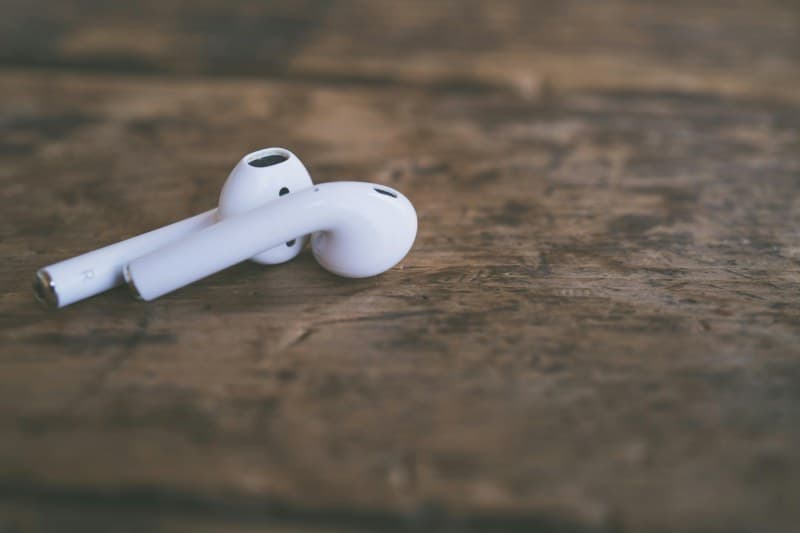
Last month, my cousin bought a $20 pair of wireless earbuds online, convinced they’d be just as good as my $150 ones. By week two, he was complaining about tinny sound, a dead battery mid-run, and earbuds that kept falling out. ‘I thought all wireless earbuds were the same,’ he said. Spoiler: They’re not. And there are plenty of other myths floating around about these tiny gadgets.
Is It True All Wireless Earbuds Sound the Same? The Truth
Sound quality in wireless earbuds depends on three key factors: driver size, codec support, and tuning. For example, premium models often use 10mm+ dynamic drivers (or balanced armature drivers) for richer, more detailed sound. Budget earbuds might use 6-8mm drivers, leading to flat, tinny audio. Codecs like aptX HD or LDAC also matter—they compress audio less, so you get closer to the original sound.
6 Common Wireless Earbuds Myths Debunked
Let’s break down six of the most persistent myths and set the record straight:
| Myth | Truth |
|---|---|
| All wireless earbuds sound identical. | Sound varies by driver type, codec support, and tuning. Premium models use better components for clearer highs and balanced bass. |
| More bass = better earbuds. | Too much bass muffles vocals and details. Balanced sound (clear highs, midrange, and bass) is better for most users. |
| Wireless earbuds have worse battery life than wired. | Modern wireless earbuds last 6-8 hours per charge, with cases adding 20+ hours—longer than many wired models. |
| Noise cancellation (NC) ruins sound quality. | High-end NC uses adaptive tech to reduce noise without distortion. Budget models may struggle, but premium ones don’t. |
| Bigger cases mean better battery life. | Case size depends on design—some compact cases (like Apple’s AirPods Pro) offer 24+ hours of extra charge. |
| You need to spend $200+ for good earbuds. | Mid-range options ($50-$100) like Anker Soundcore or JBL Tune offer solid sound and battery life for most users. |
Why These Myths Stick
Many myths come from marketing hype or lack of knowledge. Budget brands often claim “premium sound” without investing in quality components. My cousin fell for this—his $20 earbuds had no aptX support and small drivers, leading to poor performance.
“Quality is not an act, it’s a habit.” — Aristotle
This rings true for wireless earbuds. Premium brands build quality into every part—from driver design to battery management—while budget options cut corners. My $150 earbuds have lasted two years with no issues, while my cousin’s $20 pair broke after three months.
FAQ: Your Wireless Earbuds Questions Answered
Q: Do expensive earbuds always sound better?
A: Not necessarily. Some mid-range models (like the $80 Soundcore Liberty Air 2 Pro) have better sound than overpriced designer brands. Look for reviews that test sound quality, not just brand names.
Q: Can I use wireless earbuds for workouts?
A: Yes! Look for water-resistant (IPX4 or higher) models. My cousin’s earbuds weren’t water-resistant, so they broke after a sweat session—another myth he fell for.
How to Pick the Right Wireless Earbuds
Here are quick tips to avoid myth traps:
- Check driver size (10mm+ for better sound).
- Look for codec support (aptX, AAC, or LDAC).
- Consider battery life (6+ hours per charge, 20+ from case).
- Water resistance (IPX4+ for workouts).
Wireless earbuds are more than just a convenience—they’re an investment in your daily audio experience. Don’t fall for myths; do your research and pick a pair that fits your needs. After all, quality habits lead to quality results.