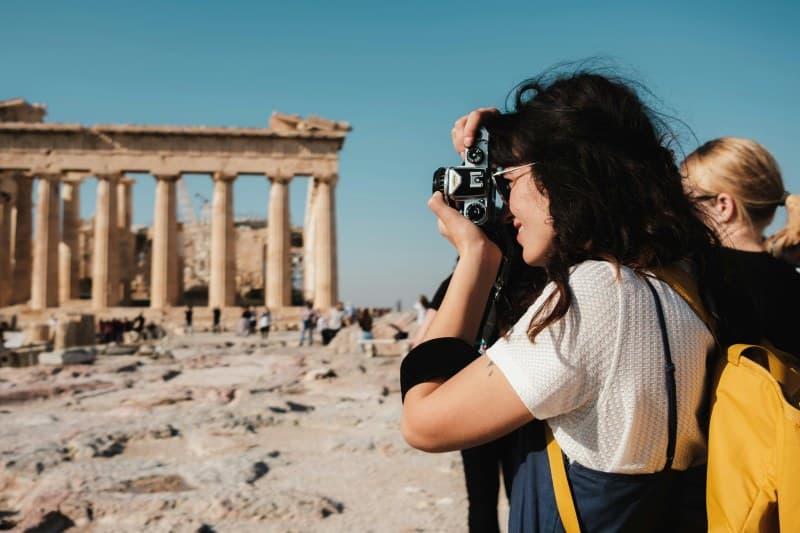
Last year, my friend Sarah visited Rome and skipped the Colosseum. She’d read online it was a ‘overcrowded tourist trap’ not worth her time. Months later, she told me she regretted it—her cousin had gone and described standing in the ancient arena, imagining gladiators, and how it changed her view of Roman history. Sarah realized she’d let a myth dictate her trip.
The Truth About Tourist Traps
Tourist traps get a bad rap, but they’re often iconic spots that became popular for a reason: historical significance, breathtaking beauty, or cultural importance. The key isn’t to avoid them entirely—it’s to approach them mindfully. Some traps are indeed overpriced or overhyped, but many hold hidden gems if you look closely.
5 Myths About Tourist Traps (Debunked)
Myth 1: All tourist traps are overpriced
While some spots charge exorbitant fees for souvenirs or entry, many have affordable or free options. For example, the Great Wall of China has sections like Mutianyu that are less crowded and offer free walking paths (you only pay for cable car access if you want it).
Myth 2: They have no cultural value
Iconic spots like the Taj Mahal or Machu Picchu are tourist traps only in the sense that they draw crowds—their cultural and historical value is immeasurable. Visiting them helps you connect to the stories and people of the place.
Myth3: You can’t get authentic experiences there
Look beyond the main entrance. Near the Eiffel Tower, you’ll find local boulangeries selling fresh croissants or artists painting portraits—small, authentic moments that make the trip memorable.
Myth4: They’re always crowded
Timing is everything. Arrive at the Louvre 30 minutes before it opens, and you’ll have the Mona Lisa almost to yourself. Or visit the Grand Canyon at sunrise—fewer crowds and stunning light.
Myth5: Skipping them makes you a ‘better’ traveler
Travel is personal. There’s no shame in visiting a popular spot if it matters to you. A ‘better’ traveler is someone who curates their trip to fit their interests, not someone who avoids all well-known places.
Tourist Trap vs. Hidden Gem: A Quick Comparison
Wondering how to balance both in your trip? Here’s a breakdown:
| Aspect | Tourist Trap (e.g., Eiffel Tower) | Hidden Gem (e.g., Montmartre Backstreets) |
|---|---|---|
| Accessibility | Easy to find, well-signposted | Requires research or local tips |
| Cultural Impact | Global recognition, historical significance | Local, niche cultural insights |
| Crowd Level | High (peak hours) | Low to moderate |
| Cost | May have entry fees or pricey souvenirs | Often free or low-cost |
| Memory Potential | Iconic photo ops, shared cultural references | Unique, personal stories |
“The world is a book, and those who do not travel read only one page.” — Saint Augustine
This quote reminds us that every place, whether popular or hidden, contributes to our understanding of the world. Skipping a tourist trap because it’s “too mainstream” means missing a chapter in that book.
FAQ: Making the Most of Tourist Traps
Q: How can I avoid the worst parts of a tourist trap?
A: Do a little research first. Check for off-peak times, look for local recommendations nearby, and set a budget for souvenirs to avoid overspending. For example, if you’re visiting the Statue of Liberty, book tickets in advance to skip long lines and take the ferry to Ellis Island for a less crowded, more immersive experience.
At the end of the day, travel is about balance. Don’t write off a tourist trap just because it’s popular—give it a chance, and you might find something unexpected.