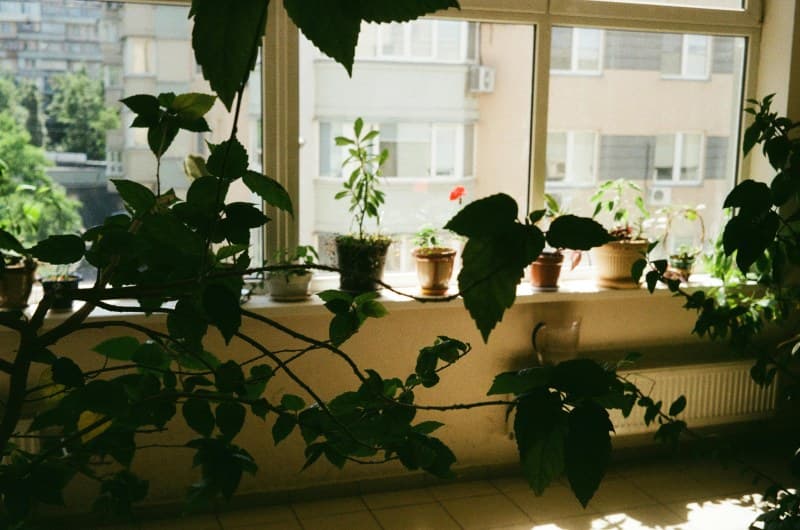
Last month, my friend Sarah texted me panicking—her beloved pothos, which she’d watered every other day, had yellow leaves and mushy roots. She thought she was being a good plant parent, but she was overwatering. Sound familiar? Many of us fall into the trap of thinking more water equals happier plants, but that’s not always the case.
Is It True All Houseplants Need Frequent Watering? The Truth
The short answer: No. Watering needs depend on a plant’s type, pot size, light exposure, and even the season. For example, a succulent in a small pot under bright light will dry out faster than a fern in a large pot in low light. The key is to check the soil, not the calendar.
4 Common Overwatering Myths Debunked
Myth 1: Water on a strict schedule
Many people swear by watering every 3 days or once a week, but this is a recipe for disaster. Plants don’t follow human schedules—their needs change with temperature, humidity, and growth stages. A pothos might need water every 7 days in winter but every 3 days in summer.
Myth 2: Yellow leaves mean the plant is thirsty
Yellow leaves are often a sign of overwatering, not underwatering. When roots sit in water, they rot and can’t absorb nutrients, leading to yellow, wilted leaves. If you see yellow leaves, check the soil before reaching for the watering can.
Myth 3: All plants need a full soak until water drains out
While drainage is important, some plants (like succulents and cacti) hate being soaked. A light watering that moistens the top inch of soil is enough for them. Over-soaking can lead to root rot.
Myth 4: Misting counts as watering
Misting adds humidity, which is great for ferns or orchids, but it doesn’t hydrate the roots. Roots are the only part of the plant that can absorb water, so misting alone won’t keep your plant alive.
Watering Needs for Common Houseplants
To make it easier, here’s a quick guide to watering needs for popular houseplants:
| Plant Type | Watering Frequency | Soil Check Tip | Notes |
|---|---|---|---|
| Pothos | Every 7-10 days | Stick finger 2 inches deep—dry = water | Prefers slightly dry soil; avoid overwatering. |
| Echeveria (Succulent) | Every 2-3 weeks | Soil should be completely dry before watering | Water deeply but infrequently; let excess drain. |
| Boston Fern | Every 3-5 days | Soil should stay consistently moist (not soggy) | Needs high humidity; mist leaves regularly. |
The best time to water a plant is when it needs it.
This simple saying sums up the key to avoiding overwatering. Instead of following a rigid schedule, take a minute to check your plant’s soil each week. It’s the most reliable way to keep your greens happy.
FAQ: How Do I Fix an Overwatered Plant?
Q: My plant has mushy roots and yellow leaves—what should I do?
A: First, stop watering immediately. Remove the plant from its pot and trim any brown, mushy roots with clean scissors. Repot it in fresh, dry soil with good drainage. Let the soil dry out completely before watering again. For severe cases, you might need to propagate healthy parts of the plant.
Practical Tips to Avoid Overwatering
- Use a moisture meter: These cheap tools tell you exactly how wet the soil is.
- Stick your finger in the soil: If the top 1-2 inches are dry, it’s time to water.
- Choose pots with drainage holes: This prevents water from sitting at the bottom and causing root rot.
- Use well-draining soil: For succulents, mix in sand or perlite; for ferns, use a peat-based mix.
By ditching these myths and listening to your plants, you’ll be on your way to growing a thriving indoor garden. Remember—less is often more when it comes to watering!